We have become accustomed to throwaway culture. When something no longer works, we replace it. That seems easy and simple, but it costs a lot of money and you’re participating in a wasteful society.
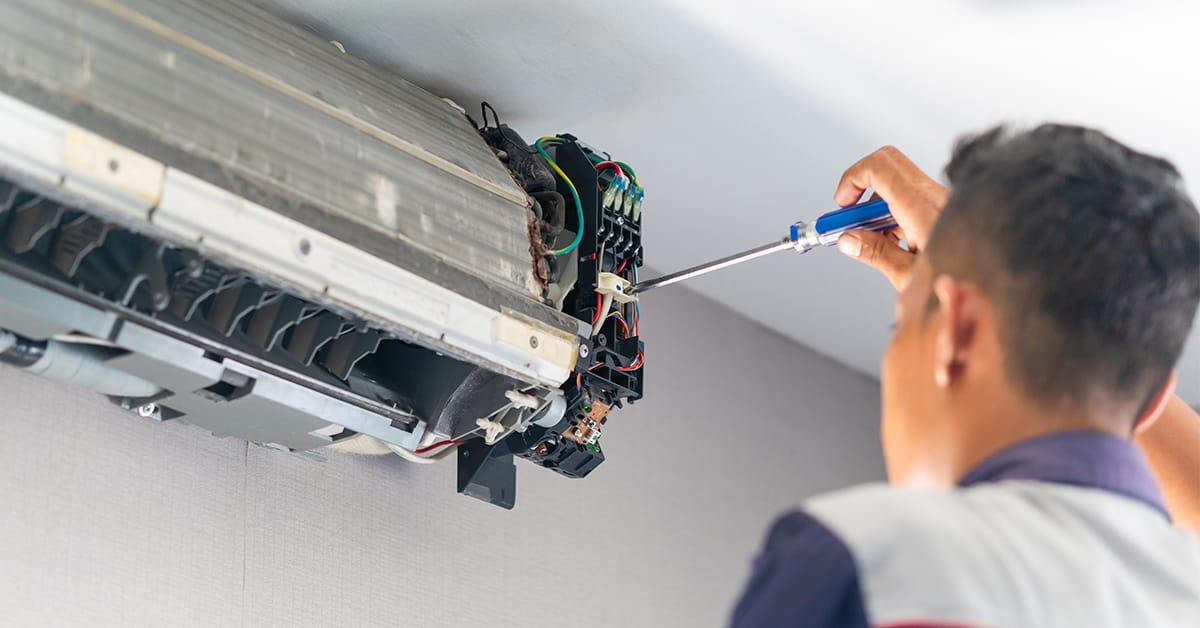
This week therefore revolves around a simple but underestimated skill: learning to carry out basic repairs. You don’t need to be able to fix everything yourself, but you do need to learn that many problems can be solved more quickly and cheaply than you think.
Why this is important
Self-reliance isn’t just about food or emergency supplies. It’s also about the ability to keep things usable.
A broken chair, loose door handle, leaking tap or faulty extension lead seem like small problems. But when you’re dependent on a shop, technician or new product for every defect, you lose control. Moreover, repairing gives insight into how things work. That makes you less dependent in the long term and often more practically minded too.
You don’t need to be a tradesperson
Many people don’t start this because they think they’re “not handy”. But basic repairs aren’t an innate talent. They’re skills you learn by doing small things effectively.
Tightening a screw, repairing a bicycle tyre or making a cupboard stable again doesn’t require years of experience. It mainly requires you to try. Those who outsource everything never learn anything new.
Start with simple problems
You don’t need to carry out complicated electrical work. Start with things that involve little risk and occur frequently.
Think of
- repair a loose hinge
- sew a garment
- maintain tools
- seal a leak
- replace a bicycle tyre
These seem like small things, but that’s exactly where you build confidence and routine.
Good tools help, but simplicity wins
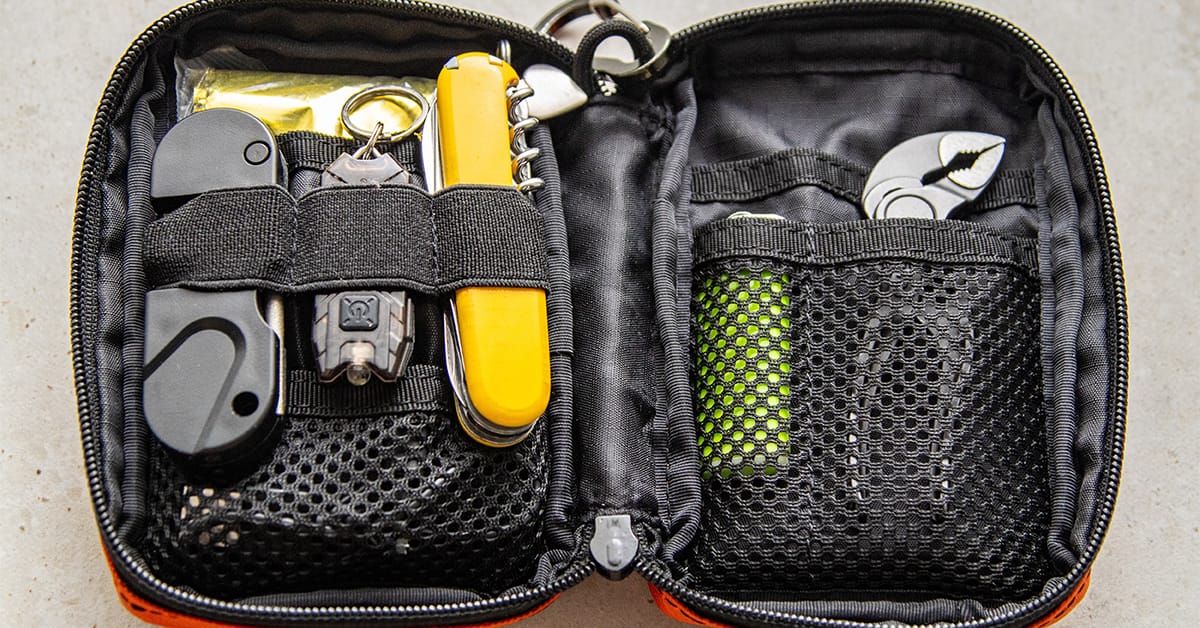
You don’t need a professional workshop. A limited basic toolkit is often sufficient: a screwdriver, pliers, hammer, tape measure, knife and decent tape will get you surprisingly far. More important than having lots of equipment is knowing where it is and using it effectively. Better to buy a few decent pieces than a cheap case full of rubbish you never touch.
What will you do concretely this week?
Look around the house for something small that’s been broken or worn for a while. Not something complex, but something you can realistically tackle yourself. Look up how to fix it, gather the necessary materials and try to carry it out effectively. The goal isn’t perfection. The goal is to gain experience and lower the threshold.
What often goes wrong?
Many people get stuck planning and watching videos without ever doing anything. That keeps everything theoretical. Also, some give up too quickly when something doesn’t work straight away. But making mistakes is part of learning to repair. Here too, starting small works better than overestimating yourself.
🪖 Self-sufficient in 52 weeks
Every week a small, achievable tip you can apply immediately. Not expensive survival gadgets or unattainable scenarios, but practical steps with which you better prepare your family for power cuts, chaos or unexpected crises.
Follow the series and discover how in one year you grow from zero to completely prepared. 52 weeks, 52 tips – and you’ll be stronger than 90% of the people around you.
Discover all the tips here!