If a water pipe bursts, a gas leak occurs or a short circuit breaks out, every second counts. Yet surprisingly many people don’t know where the water stopcock is, how to shut off the gas or where the electricity box is located.
This week you’ll familiarise yourself with the most important switches in your home. It’s a simple exercise that could one day prevent major damage.
What are you going to do this week?
Find the water stopcock, the gas tap (if present) and the electricity box. Check that you know how to shut them off safely.
Do this when there is no emergency. Then you can learn without time pressure.
How to tackle it
1. Find the water stopcock
In most homes it’s located:
- at the water meter;
- in the cellar;
- in the garage;
- or in a plant room.
Turn the tap off briefly and check that no more water comes out of the tap. Then open it again.
2. Find the gas tap
Do you have a natural gas connection? Then locate the main tap.
See how to shut them off, but only turn them off if you know how to safely reopen them afterwards. If in doubt, it’s better to leave them open and just limit yourself to locating them.
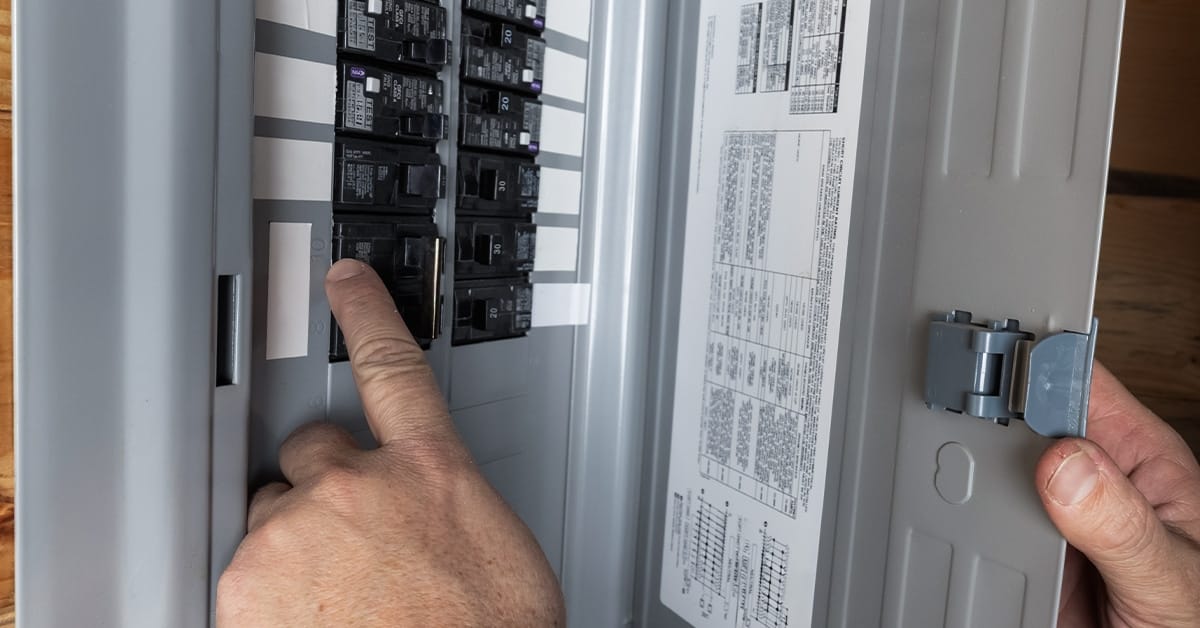
3. Check the fuse box
Open the electricity box and check:
- where the main switch is;
- which fuses are for what;
- whether the labels are still correct.
Are the fuses not labelled? Then make clear labels immediately.
4. Make sure everyone knows
Also show your partner or older children:
- where the water tap is;
- where the electricity is switched off;
- how to recognise the main switch.
In an emergency you might not be at home.
5. Make everything accessible
Are there boxes, bicycles or cupboards in front of the technical installations?
Clear them away so you can reach everything immediately.
6. Keep a torch nearby
During a power cut you’ll otherwise be searching for the fuse box in the dark.
Therefore place a small torch in or next to the meter cupboard.
What do you need?
- a torch
- a waterproof pen or labels
- possibly a screwdriver to attach labels
Common mistakes
- Not knowing where the main shut-off valves are located.
- Never labelling the fuses.
- Filling the plant room with stuff.
- Thinking that only the owner needs to know this.
- Only searching when there’s already a problem.
Why this really matters
A burst water pipe can send thousands of litres of water through your home in just a few minutes. In the event of a gas leak or electrical short circuit, quick action can even save lives.
You don’t need to be a tradesman to limit damage. Knowing where to shut off water, gas and electricity is one of the basic skills of every self-reliant citizen.
Task for this week: Take twenty minutes to locate all the main shut-off valves in your home. Show them to your family members as well. It’s a small investment in time that could make a big difference later.