Blackthorn, hawthorn and rowan are now full. Pick these fruits to make sauce, liqueur, jam,… from them. But pay attention to how you can recognise these berries!
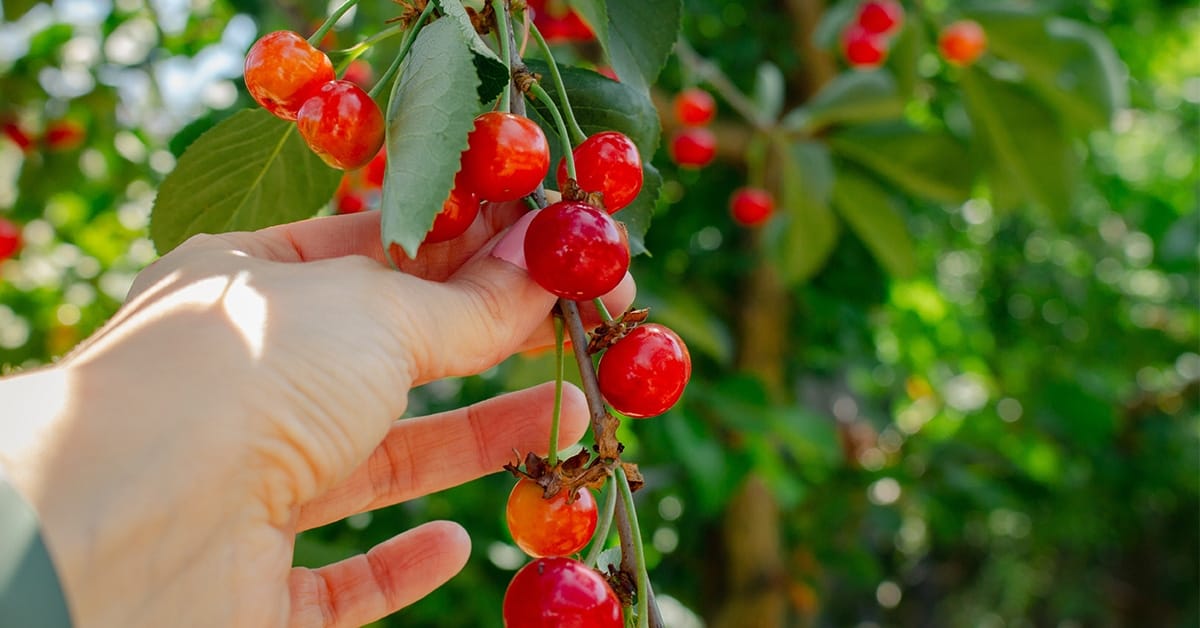
Rowan berries taste astringent raw, but after cooking or freezing they become soft and sweet. You use blackthorn berries for liqueur or jam. You can dry hawthorn berries for heart-strengthening tea, rowan fits in compote or sauce.
Quick recipes
- Rowan compote: Strip the berries from the stems (ideally after frost or after freezing) and cook them together with, for example, apple pieces for about 10 minutes. Purée or sieve to mash.
- Rowan sauce or chutney: Combine the cooked berries with onion, garlic, apple vinegar, raisins and spices such as ginger and cinnamon.
- Jam or preserve: First cook the blackthorn berries until they burst, sieve or press through a sieve, add jam sugar and cook for a few more minutes to desired consistency.
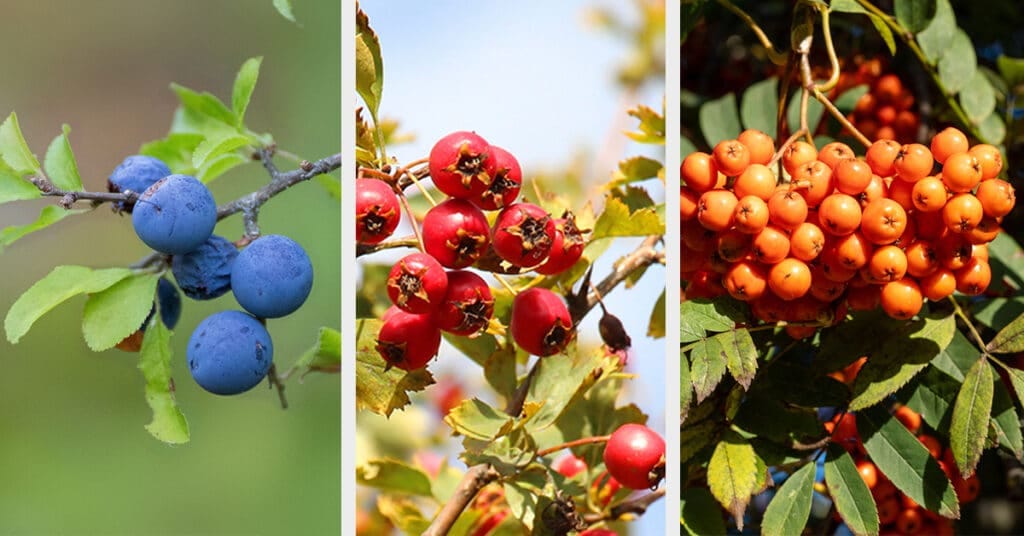
How to recognise these berries
Don’t be mistaken, because some berries you find in nature are not edible. For certainty, always consult specialised literature such as the Wild Foraging Book.
Blackthorn (Prunus spinosa)
- Leaves: small, oval and smooth at the edge.
- Branches: have sharp thorns.
- Flowers: white flowers in early spring (March-April), before the leaves appear.
- Fruits: small, dark blue berries (sloes), sour and astringent in taste.
👉 Tip: do you see bare branches with thorns and blue-black berries in winter? That’s blackthorn.
Hawthorn (Crataegus monogyna)
- Leaves: deeply incised with 3–5 lobes, look a bit like oak leaves.
- Branches: also with thorns, but shorter than with blackthorn.
- Flowers: white umbels in May (hence the name), smell strongly.
- Fruits: small red berries in late summer.
👉 Tip: hawthorn has lobed leaves and red berries.
Rowan (Sorbus aucuparia)
- Leaves: compound: one leaf consists of 9–15 small, elongated leaflets.
- Branches: no thorns.
- Flowers: white umbels in May-June.
- Fruits: bright orange or red clusters of berries in autumn.
👉 Tip: you recognise rowan immediately by the clusters of orange berries and pinnate leaves.
📖 Reading tip: in this book you learn everything about wild foraging
Checklist
✅ Pick blackthorn after the first frost
✅ Cook or freeze berries
✅ Dry hawthorn berries
✅ Note locations for next year
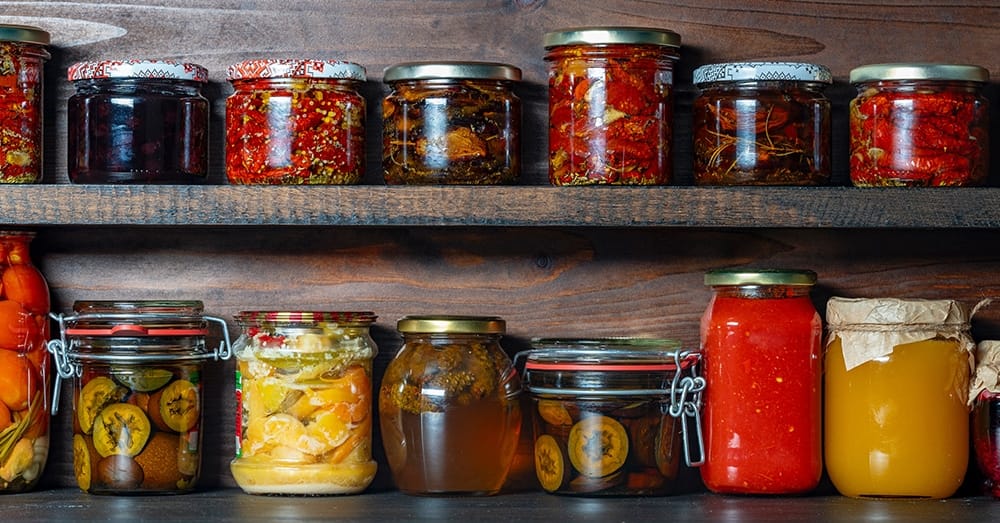
✅ Discover here how to best preserve food
What will you learn this week?
That the autumn shrubs are still full of energy – if you know how to preserve and identify them.
🌱 Food from nature – a tip every week
Every week we discuss on The Patriot what you can find that week in nature. You can find all published tips via this link.
Also be sure to read the basic article, which discusses the do’s and don’ts of wild foraging.