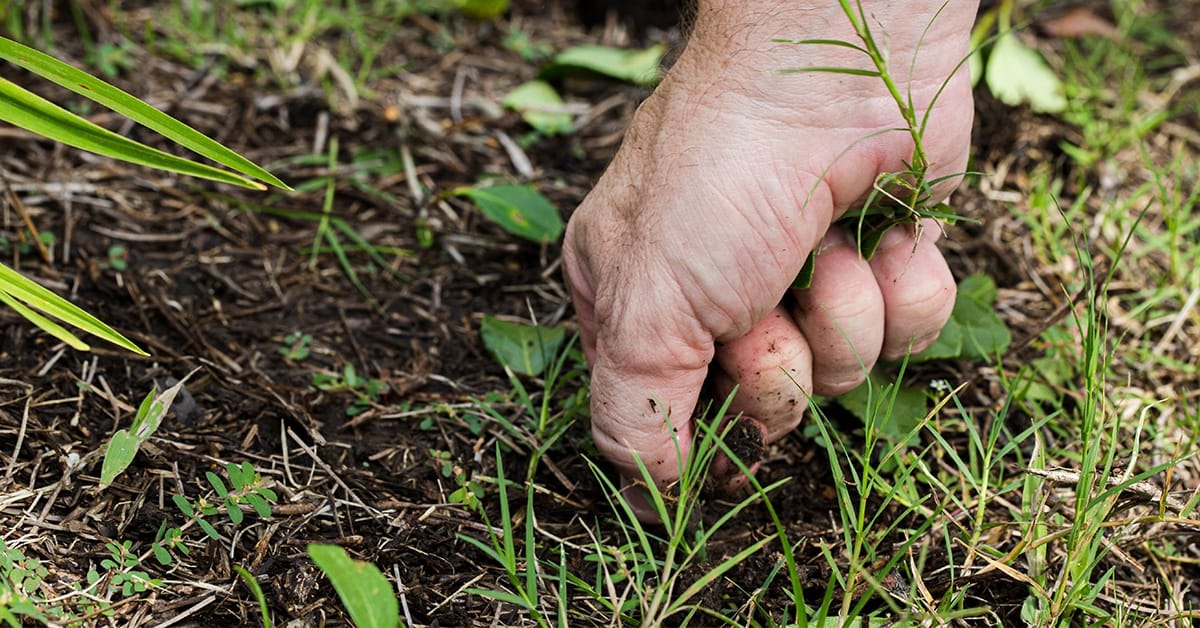
The real stock is now underground. Wild parsnip, burdock root and dandelion root are nutritious, rich in fibre and surprisingly flavourful. Roast them in the oven or cook them as hearty winter vegetables.
Wild parsnip (Pastinaca sativa)
Recognisable by its feathered leaves with oval leaflets and yellow umbel flowers that resemble those of wild carrot. The root is thick, cream-coloured and smells spicy and sweet. Note: can be confused with poisonous hogweed or hemlock — check for the typical parsnip scent.
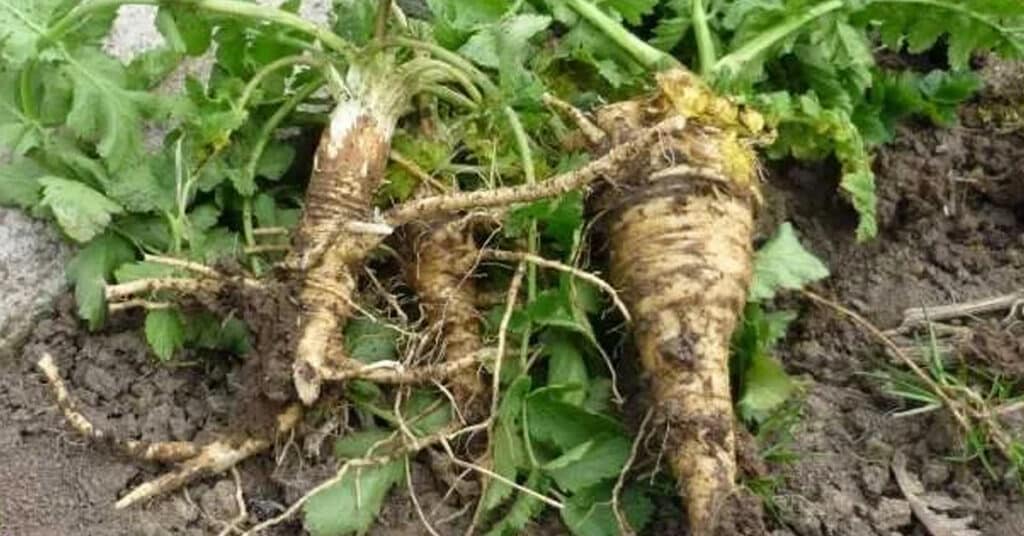
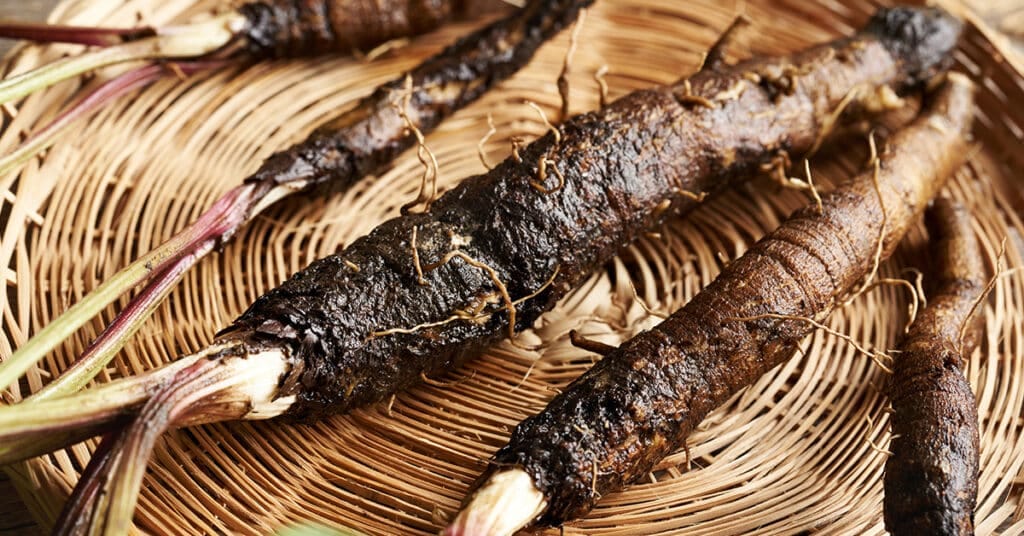
Burdock root (Arctium lappa / minus)
Has large heart-shaped leaves with a grey-felted underside and purple thistle-like flowers with burrs. The root is long, brown on the outside and white on the inside, with an earthy flavour. Only harvest young plants without a flower stem for edible roots.
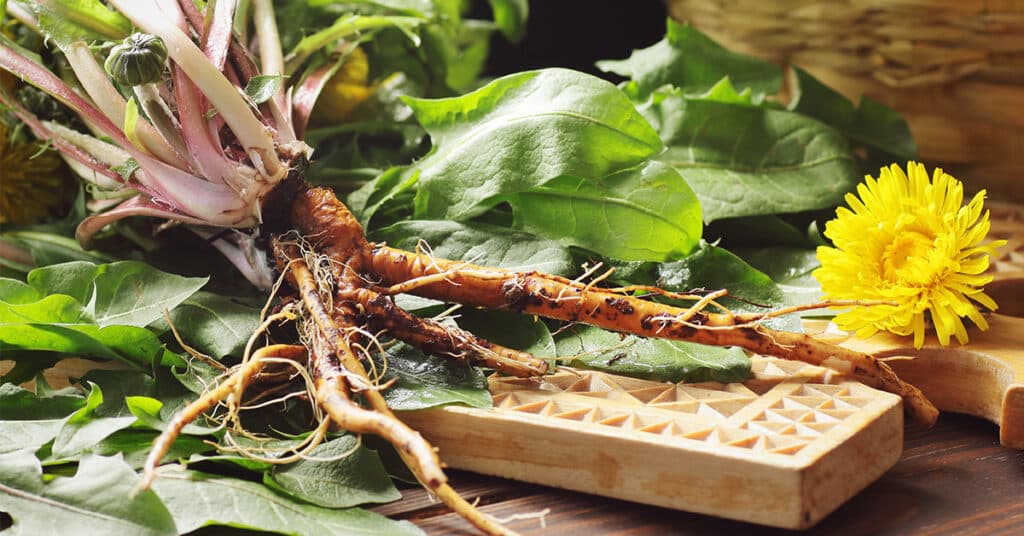
Dandelion root (Taraxacum officinale)
Recognisable by the deeply serrated leaves in a rosette form and the familiar yellow flowers. The root is long, dark brown and milky on the inside. Grows almost everywhere and tastes slightly bitter — especially delicious roasted or as tea.
Checklist
✅ Take a small spade with you
✅ Recognise the leaves to find the right root
✅ Taste roasted dandelion root
✅ Store roots cool in sand
What will you learn this week?
That which grows invisibly, often nourishes the most.
🌱 Food from nature – a tip every week
Every week on The Patriot we discuss what you can find that week in nature. All published tips can be found via this link.
Also be sure to read the basic article, which discusses the do’s and don’ts of wild foraging.