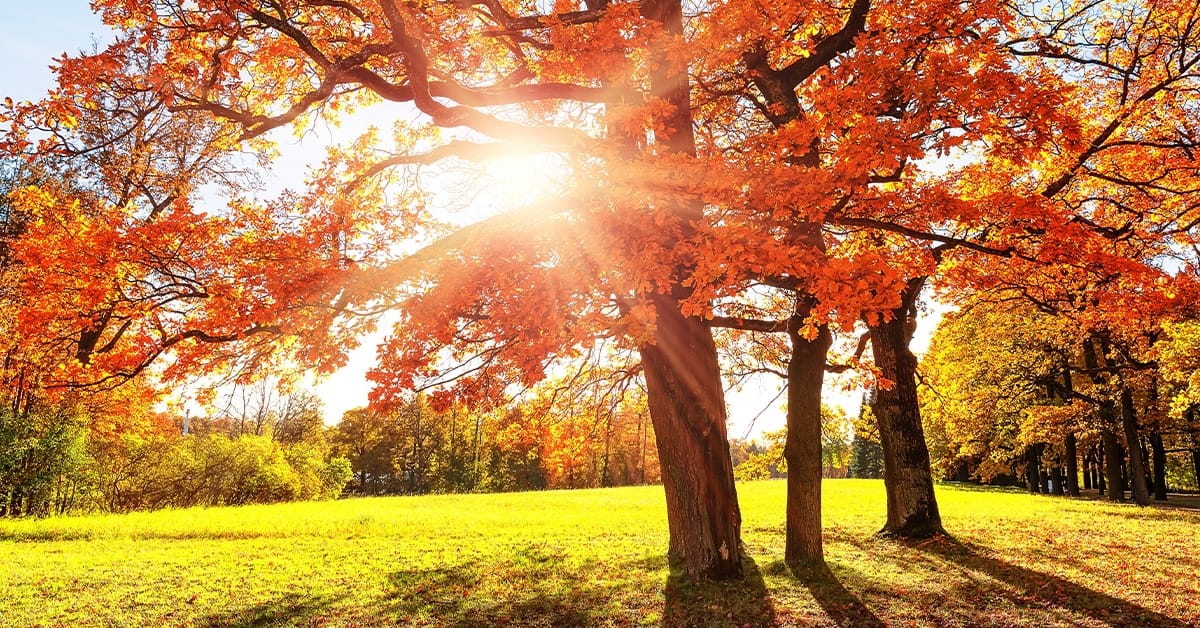
Nature is full of food at this time of year. Whilst supermarkets show off pumpkins and mushroom mixes, you can find quite a few hidden gems in the forest. Wild foraging is ancient, healthy and teaches you a great deal about nature.
🚨 First read this basic article
If you’re going wild foraging, you need to know what you’re doing. Therefore, be sure to first read our comprehensive basic article about the do’s and don’ts of wild foraging.
What can you find in nature now?
Acorns, chestnuts and beechnuts are literally at your feet. They are rich in fats and proteins, and form a solid basis for flour or a roasted snack. Hazelnuts are also ripe now – you often find them in shrubs along footpaths.
Furthermore, the elder is full of dark berries. Elderberry syrup is a classic remedy for colds, but you must always cook the berries. Blackberries and rosehips still hang here and there; the latter in particular contain masses of vitamin C.
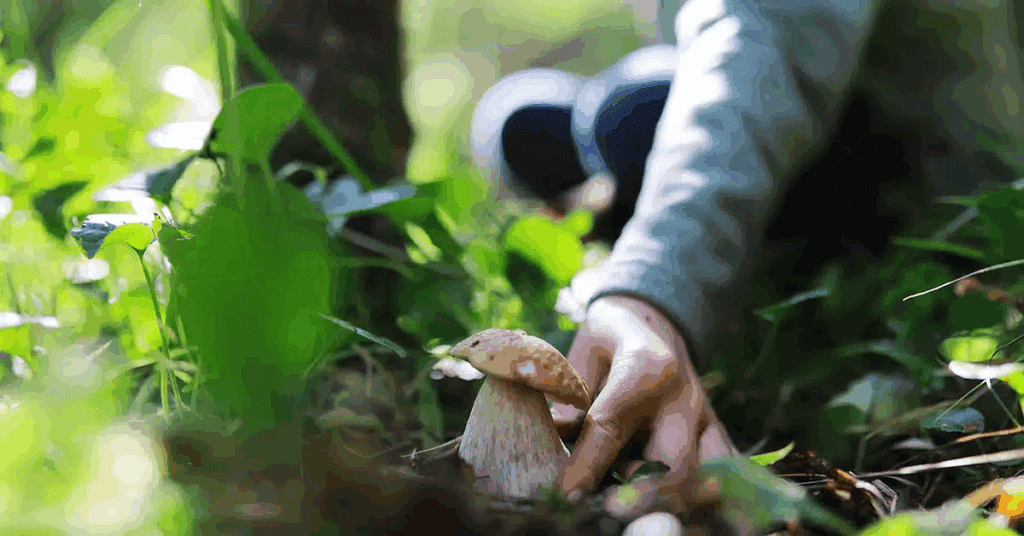
In damp forests you’ll find mushrooms such as chanterelles, oyster mushrooms and penny buns. Only pick what you recognise 100%.
What can you do with it?
🍄🟫 This is what you can do with your harvest
✅ Acorns are edible after tannin removal
✅ Sweet chestnuts (not to be confused with horse chestnuts) can be popped or roasted
✅ Hazelnuts are often ripe from September onwards, but in October you’ll still find plenty of fallen nuts
Make purée or a nutritious soup from chestnuts. You can make flour from acorns (after soaking to remove the bitter tannins). Elderberries and rosehips are ideal for syrup or jam.
Eat blackberries as they are or freeze them. Fry mushrooms briefly in some fat or dry them for later.
What will you learn this week?
That the forest is now one big larder – and that with a basket, a penknife and some knowledge you can eat for days without a shop.