
Why the Netherlands is once again focusing on crisis preparation
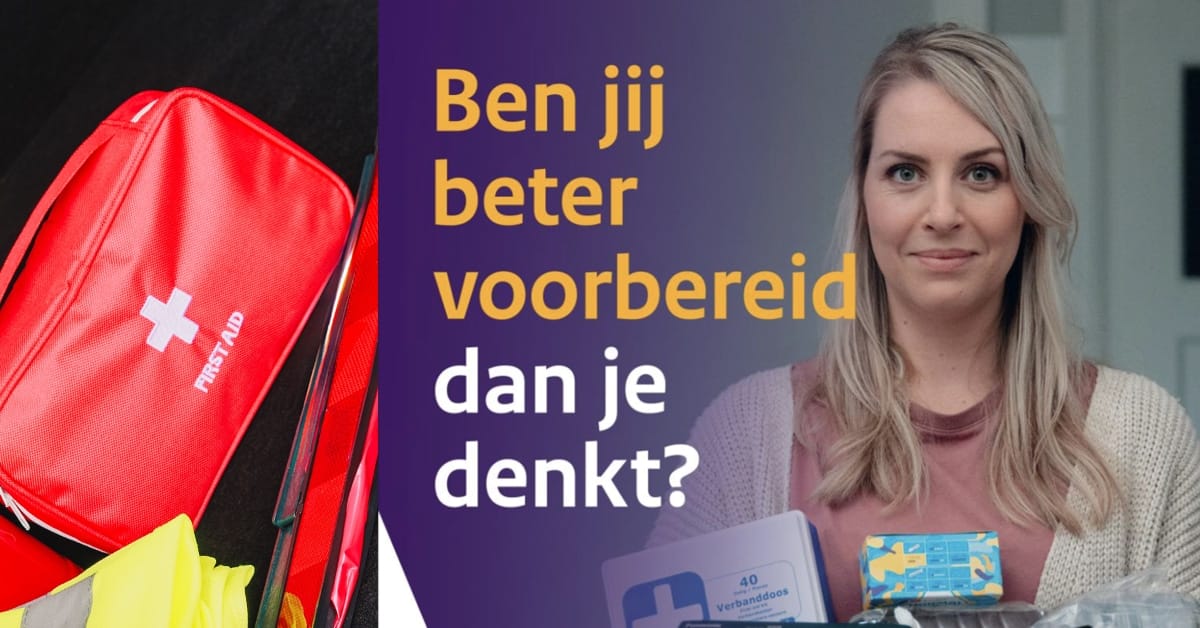
The Netherlands launches the Think Ahead campaign again in November, a government initiative to prepare citizens for emergency situations. This topic has been receiving increasing attention in recent years, and rightly so. The chance that you will ever face a crisis situation is more real than many people think. This campaign focuses on practical preparation for households, without alarmism but with a clear message: self-reliance begins with yourself.
The timing of this new edition is no coincidence. Europe is struggling with increasing geopolitical tensions, climate change is causing more extreme weather, and dependence on digital systems makes us vulnerable to cyber threats.
The Dutch government acknowledges that emergency services cannot be everywhere at once during large-scale incidents. Therefore, the responsibility to bridge the first 48 to 72 hours rests with the citizen themselves.
What is the ‘Think Ahead’ campaign?
Origin and objective
The think ahead campaign was launched earlier and focuses on awareness around crisis preparedness. The Ministry of Justice and Security coordinates the initiative, which must provide households with concrete guidance to prepare themselves. No doomsday scenarios, but practical information about what you need if the electricity fails, the tap water no longer flows or you have to evacuate your house.
Core message
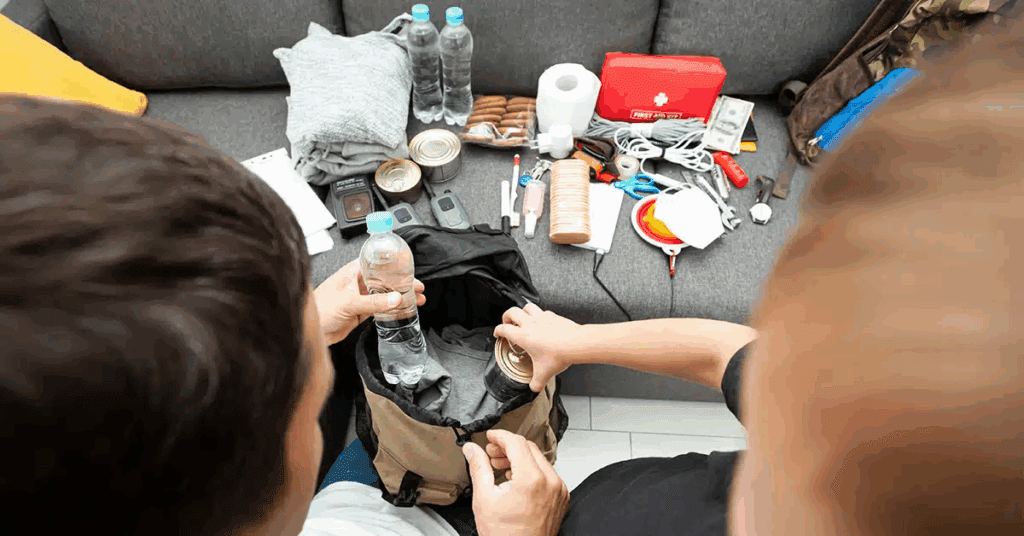
The principle is clear: ensure that you can function independently for at least three days without external help. This means having sufficient drinking water, non-perishable food, a working torch and a battery radio at home. Medicines, important documents and an emergency plan with your family are also part of basic preparation.
💡 Discover the following articles
What does the campaign focus on?
Water supply during crisis situations
Water is central to the campaign. An adult needs 2 to 3 litres of drinking water daily, more in hot weather or during physical exertion. The recommendation is to have 9 to 12 litres of water per person at home. That sounds like a lot, but with a few bottles of mineral water and a few jerry cans you’re already well on your way.
Do mind the shelf life. Tap water in clean bottles keeps for about half a year. Replace your stock regularly and check the seals. During evacuations, water is heavy, so also consider purification tablets or a compact water filter as a back-up. Think ahead, is therefore the message.
Food supplies without refrigeration
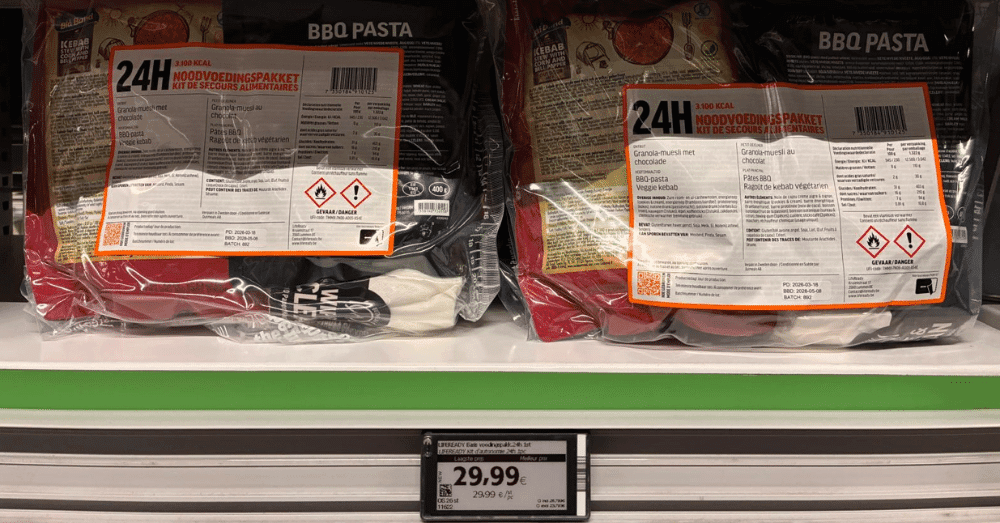
Tinned food, crackers, peanut butter, nuts, dried fruit and instant meals form the basis of an emergency stock. Choose products that you normally eat, so that you can rotate the stock. Nobody wants tins that remain unused for years.
Also consider a camping or emergency cooking device. A simple gas burner with spare cartridges enables you to prepare hot food without electricity. Don’t forget the matches or lighter.
Communication when the network fails
Smartphones are useless without power or a mobile network. A battery radio gives you access to emergency broadcasts from local stations. The government uses these channels during emergencies to give instructions. Ensure you have spare batteries or choose a model with a hand crank or solar panel.
A power bank for your phone is also useful, but don’t count on the mobile network continuing to work. During large-scale outages, this is often the first thing to fail.
Medical needs and medication
A well-stocked first aid kit is missing in many households, the think ahead campaign emphasises this as well. Plasters, bandages, painkillers, disinfectant and a thermometer are minimum requirements. Anyone using regular medication should keep a reserve supply. Ask your GP about the possibilities for this.
Also don’t forget medication for diarrhoea, antihistamines for allergies and possibly eye drops. Check the expiry date of your emergency stock annually.