Why terrorism threat remains relevant today
The terrorism threat in Europe is not an abstract concept from news reports, but a reality that affects our daily lives. From increased security measures in busy places to changed travel advice: the impact is noticeable. I notice myself how people think differently about large events or busy public spaces.
Security services in Belgium and the Netherlands use threat levels that fluctuate regularly. These levels are not alarmism, but based on concrete information about potential attacks. The attacks in Paris (2015), Brussels (2016) and more recent incidents show that vigilance remains necessary.
Terrorism is constantly evolving. Where previously organised cells developed plans, we now also see lone actors who strike with minimal resources. This shift makes it more difficult to prevent attacks and increases the importance of personal alertness.

Different forms of terrorism threat
Organised terrorist groups
Traditional terrorist organisations often plan months or years ahead. They have networks, financing and logistical support. These groups usually target symbolic targets or places with large crowds.
Security services have the most insight here through infiltration and signals intelligence. Nevertheless, these organisations remain a serious threat due to their capacity to carry out complex attacks.
Lone-wolf terrorism
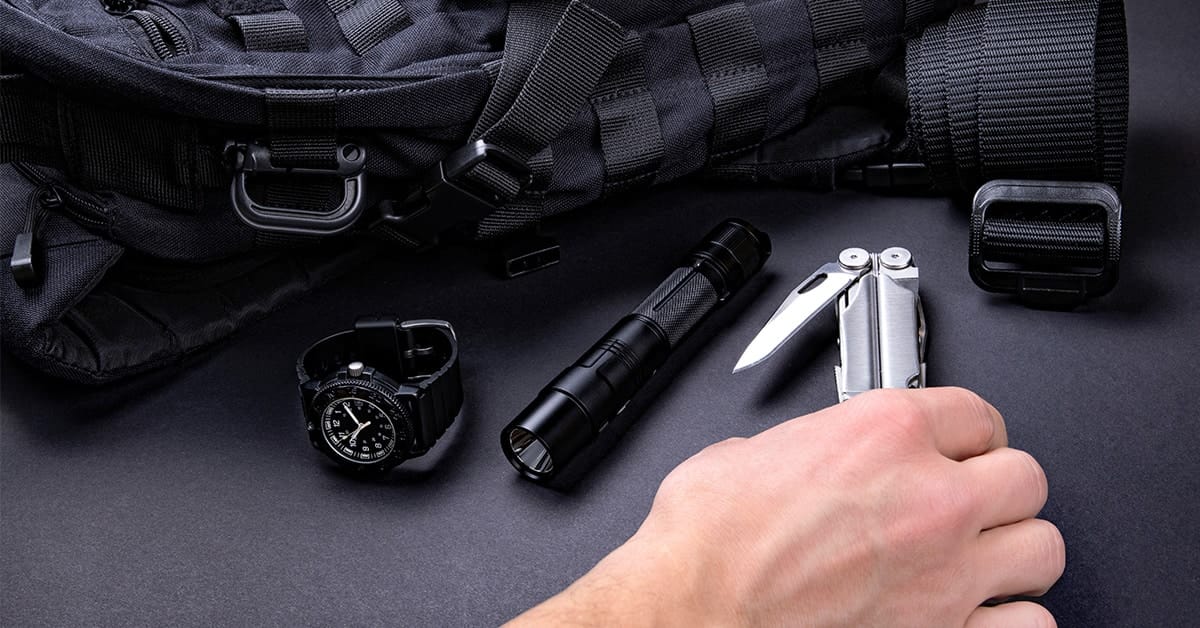
Individuals who act without direct orders from an organisation pose a growing challenge. They often radicalise online, are difficult to detect and use simple means such as vehicles or knives.
This form of terrorism is characterised by:
- Limited planning and preparation
- Use of everyday objects as weapons
- Unpredictability in timing and location
- Difficult to intercept by security services
Cyberterrorism
Digital attacks on critical infrastructure are receiving more attention. Consider hacking attempts on energy networks, water supply or financial systems. Although physical violence is absent, the consequences can be far-reaching.
How security services assess the threat
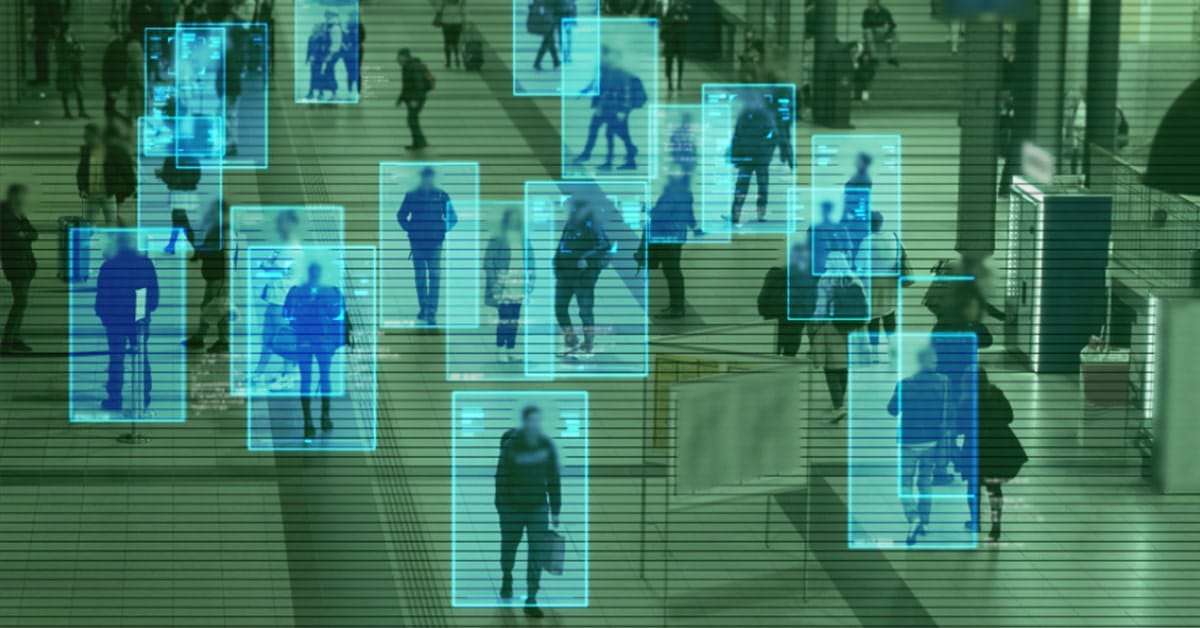
Intelligence services use various sources to determine the threat level. They analyse communications, track money movements and cooperate internationally. In Belgium, OCAD (Coordination Unit for Threat Analysis) uses four levels, from level 1 (low) to level 4 (very serious).
The Dutch threat assessment is published by the NCTV (National Coordinator for Counterterrorism and Security). These analyses appear regularly and provide insight into current risks.
Both countries adjust their security measures based on these analyses. This may mean: extra police deployment at events, increased checks at airports or temporary closures of certain areas.
Recognising warning signs
Vigilance begins with awareness. Certain situations or behaviours may indicate a threat, although caution is required not to suspect unjustly.
Suspicious objects and situations:
- Abandoned luggage or packages in busy places
- Vehicles parked unusually near important buildings
- Persons nervously photographing or taking notes at sensitive locations
- Unusual interest in security procedures
Behavioural patterns:
- Someone who repeatedly walks the same route without clear purpose
- Persons who are noticeably tense in public spaces
- Illogical clothing for the weather (for example, a thick coat in summer)
When in doubt, the rule is always: report it to security staff or police. Better ten false alarms than one missed threat.
Increasing your personal safety
Developing situational awareness
The ability to assess your surroundings properly is essential. This does not mean being paranoid, but being attentive. I always try to locate emergency exits whenever I enter somewhere.
Practical tips:
- Observe your surroundings without constantly looking at your phone
- Identify multiple escape routes in busy spaces
- Watch for behaviour that deviates from the normal course of events
- Trust your intuition if something doesn’t feel right
Behaviour during threat situations
When an incident occurs, every second counts. The basic principles are: run, hide, or as a last resort, fight.
Run: Leave the dangerous area as quickly as possible. Leave possessions behind and help others where possible. Run in a zigzag pattern if shots are fired and seek cover behind solid objects.
Hide: If escape is impossible, find a safe place. Lock doors, barricade entrances and switch off phone sounds. Stay quiet and out of sight.
Fight: Only if there is no other option. Use anything available as a weapon: chairs, fire extinguisher, keys. Aim for vulnerable spots and act together with others.
Preparation for the family
Drawing up a communication plan
Ensure that every family member knows what to do in a crisis. Agree on a meeting point in case communication networks fail. Keep important telephone numbers offline.
Also make arrangements about:
- Who will collect the children from school in an incident
- Alternative routes home
- A contact person outside the immediate area
- Passwords or code words for emergency situations
Basic equipment for evacuation
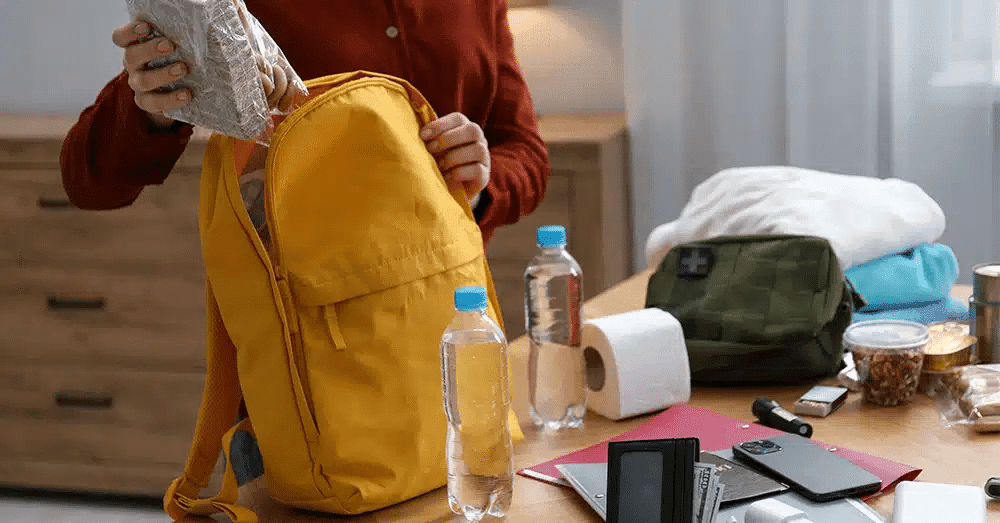
A well-equipped emergency bag is ready by the door. This contains documents, medicines, water, energy bars and a torch. Keep the bag up to date and check the contents every quarter.
Essential items:
- Copies of identification documents
- Cash in small denominations
- Medication for at least three days
- Mobile charger and batteries
- Small first aid kit
- Radio with hand crank
Travelling in times of heightened threat
Certain locations and times carry increased risks. Large events, busy tourist attractions and public transport hubs require extra vigilance.
Before travelling abroad, consult the travel advice. This provides concrete information about local threats. Register your stay with the embassy and share your travel schedule with trusted contacts at home.
Whilst travelling:
- Avoid patterns in your daily routine
- Vary routes and times
- Stay informed of local news
- Always keep an exit strategy in mind
The role of technology
Smartphones offer useful tools for safety. Apps from government institutions send alerts about acute threats. Location sharing with trusted contacts provides extra security.
Consider these digital aids:
- BE-Alert (Belgium) or NL-Alert (Netherlands) for official warnings
- Location sharing via WhatsApp or Find My – Read here how to share your location safely
- Offline maps for navigation without internet
- Emergency contact function on your phone
At the same time: do not become too dependent on technology. Batteries run out and networks can become overloaded during crises.
Social resilience
Terrorism aims to sow fear and disrupt societies. Resilience means staying alert without letting fear restrict your daily life. Finding the balance between caution and normal relaxation remains important.
Communities that know each other and look out for one another are more powerful. Social cohesion works preventively: isolated individuals radicalise more easily than people who are embedded in a network.
Legal aspects and powers
In the event of a terrorist threat, authorities may take special measures. This may mean: temporary restriction of freedom of movement, searches without prior warrant or military deployment on the streets. These measures are laid down in legislation and serve to safeguard public safety. At the same time, fundamental rights remain in force. If in doubt about the lawfulness of government action, you can seek legal advice.