Why more and more people are choosing independent living
Off-grid living means consciously disconnecting from conventional utilities such as electricity, water and gas. This form of self-sufficiency is gaining popularity, not only due to rising energy costs, but also through the desire to be less dependent on external systems.
In times of uncertainty, an off-grid lifestyle offers a sense of control and autonomy. You produce your own energy, collect and purify your own water, and provide for your own food supply. This way of life is also gaining increasing attention in Belgium and the Netherlands.
Going off-grid does require thorough preparation and realistic expectations. Don’t underestimate how much planning and investment is involved in this transition to a complete off-grid life.
Energy supply: the foundation of off-grid living
Solar energy as primary source
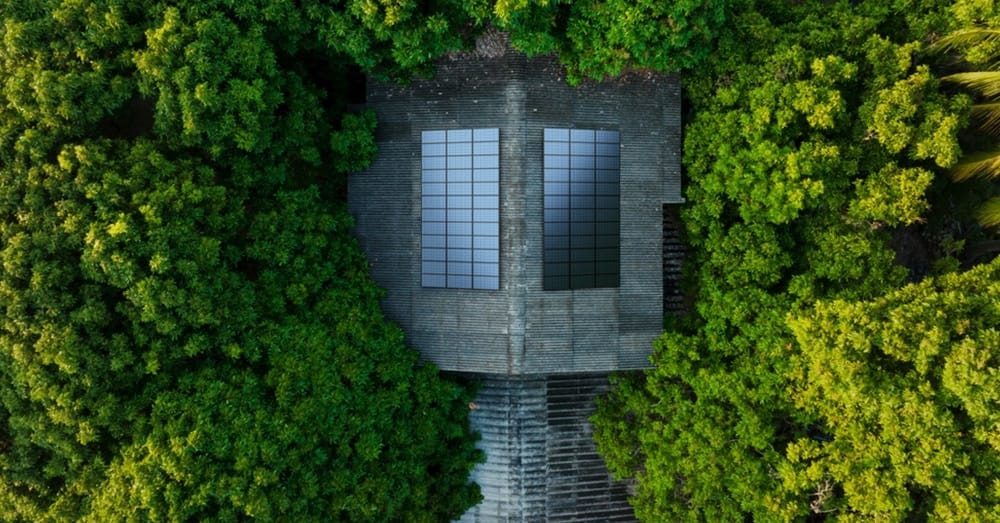
Solar panels form the primary energy source for most off-grid systems. An average household needs between 3000 and 5000 watts of solar panels for complete energy independence. This estimate depends on your energy consumption and solar radiation in your region, but going off-grid therefore requires a robust energy source.
Important considerations for solar energy:
- Battery capacity for energy storage during cloudy days
- Inverter that converts direct current to alternating current
- Charge controller to protect batteries against overcharging
Wind energy as supplement
Wind turbines can supplement solar energy, especially during winter months with less sunlight. Small wind turbines for domestic use produce between 400 and 20,000 watts, depending on wind speed and turbine size.
Emergency generators
A diesel generator or petrol generator serves as back-up during periods with little sun or wind. These generators are essential for critical moments, but use them sparingly due to fuel costs and noise pollution.
⚡️ Discover more about energy
Water supply: from source to tap
Identifying water sources
Off-grid water supply begins with finding a reliable source. Groundwater via your own well offers the most certainty, but does require an investment in drilling and pump systems. Collecting rainwater forms a cost-effective supplement.
Water purification methods:
- UV lamps for bacteria and viruses
- Carbon filters for chemical contaminants
- Reverse osmosis for complete purification
- Simple sand filters as first purification stage
Water storage and management
Water tanks of 1,000 to 5,000 litres provide sufficient reserve for dry periods. Preferably place tanks underground or in the shade to prevent algae growth. A pressure tank ensures constant water pressure in your piping system.
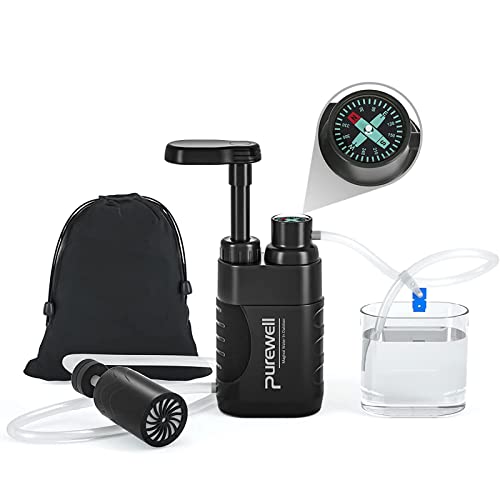
Waterfilterpomp voor buitengebruik
Met de Waterfilterpomp voor buitengebruik haal je een betrouwbare oplossing in huis voor schone drinkwaterbehoefte in de natuur. Dankzij de innovatieve ultrafiltratie technologie verwijdert deze pomp tot 99.9999% van verontreinigingen uit waterbronnen, en dat zonder elektriciteit. Ideaal voor avonturiers en iedereen die voorbereid wil zijn op onverwachte situaties, zodat je altijd toegang hebt tot veilig drinkwater, waar je ook bent.
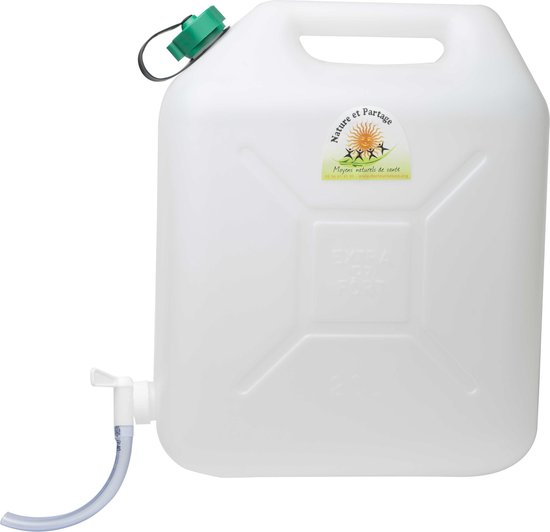
EDA Jerrycan 20 liter
De EDA Jerrycan van 20 liter is een praktische en stevige optie voor het veilig opslaan van vloeistoffen. Dankzij het handige handvat, de degelijke kraan en de ontluchtingsdop is hij gebruiksvriendelijk en betrouwbaar. Met afmetingen van 17 x 36 x 43 centimeter past hij gemakkelijk in elke opslagruimte. Deze jerrycan is een waardevolle aanvulling voor wie zich wil voorbereiden op onverwachte situaties, zodat je altijd toegang hebt tot essentiële vloeistoffen wanneer dat nodig is.
Wastewater management and sanitary facilities
Septic systems
A septic tank treats wastewater biologically without connection to the sewage system. These systems require regular maintenance but function reliably for years. For smaller households, a tank of 3000 litres is often sufficient.
Composting toilets
Dry toilet systems form a sustainable alternative to traditional flush toilets. They save water and produce compost for the garden. Modern compost systems are odourless and hygienic with correct use.
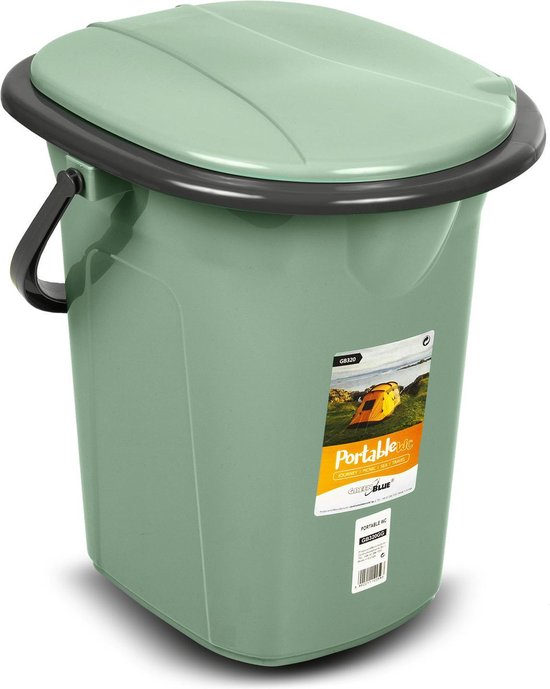
Draagbare toilet emmer 19 liter
Ontdek de GreenBlue Draagbare Toilet Emmer van 19L in groen-grijs, ideaal voor avontuurlijke reizigers en kampeerders. Dit lichtgewicht en compacte toilet biedt gemak zonder water of chemicaliën, perfect voor locaties zonder riolering. De multifunctionele draagbeugel fungeert als toiletrolhouder, terwijl de slimme uitsparing het legen vergemakkelijkt. Een betrouwbare oplossing voor wie voorbereid wil zijn op onverwachte situaties in onze veranderlijke wereld.
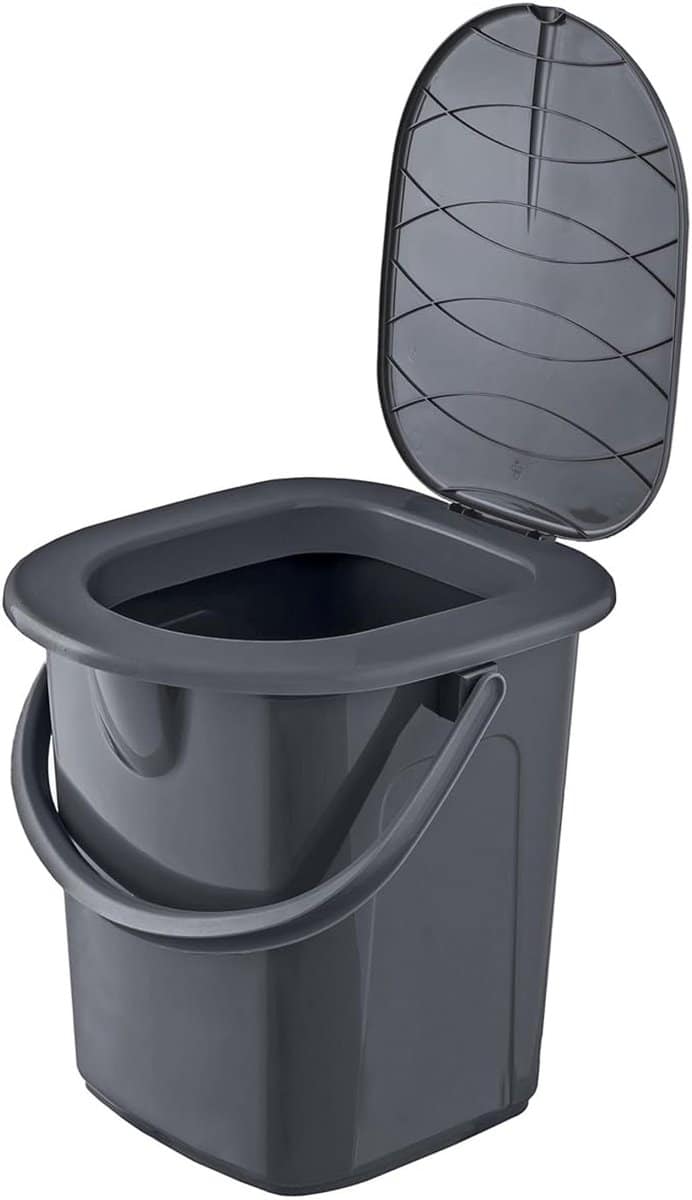
Draagbare wc-emmer met bril, 22 liter
Reistoilet van 22 liter met deksel en bril, draagt tot 120 kg; handig bij waterpanne of op kamp.
Food supply and self-sufficiency
Vegetable gardens and permaculture
A well-planned vegetable garden of 100 square metres can provide a family of four with 50 per cent of fresh vegetables. Permaculture principles maximise yields whilst improving the soil.
Clever growing techniques:
- Raised beds for better drainage
- Crop rotation to prevent soil fatigue
- Seed storage for continuity
- Preservation methods such as drying and preserving
Small livestock and poultry
Chickens provide eggs and meat whilst keeping weeds under control. Four to six hens produce sufficient eggs daily for an average family. Goats or sheep can keep grass short and provide milk.
Communication and connectivity
Internet connection off-grid
Satellite internet offers reliable connection in remote locations. Systems such as Starlink make off-grid working and communication possible. A good internet connection is crucial for emergency situations and social contacts.
Emergency communication
HAM radios function independently of mobile networks and electricity. This radio equipment works during emergency situations when other communication means fail.
Financial planning and gradual transition
Start-up costs and investments
Off-grid systems require significant initial investments. Start small and expand your system gradually. Start for example with solar panels for partial energy independence. Add batteries, water filtration and food production step by step.
Legal aspects and permits
Building permits
Off-grid installations often require permits, especially for water wells, septic systems and wind turbines. Enquire with your local authority about local regulations before you begin with installations.
Property rights
Check whether your property rights permit off-grid living. Some areas have minimum requirements for utility connections or restrictions on certain installations.
Conclusion
Off-grid living offers independence and sustainability, but requires careful planning and realistic expectations. Begin with a thorough analysis of your energy needs and available resources. A phased approach prevents costly mistakes and makes the transition manageable. With the right preparation you create a self-sufficient lifestyle that is both satisfying and practical.