Why volunteer corps are indispensable in modern times
Volunteer corps form an essential link between professional emergency services and citizen initiatives, with trained volunteers ready to provide support during crisis situations. Following a call from the government, many municipalities in Flanders have already shown interest in implementing such a corps. This demonstrates how support for such voluntary citizen services is growing.
Today, both the Netherlands and Belgium are insufficiently prepared, both physically and mentally, for the challenges of the future. We’re not only talking about potential conflicts or wars, but also about climate disasters, pandemics, power outages and other disasters. Volunteer corps play an important role: they can fill this gap and make communities resilient.
Types of volunteer corps in the Netherlands and Belgium
Today, there are already many volunteer organisations that are deployed during disasters and crises. In addition, organisations such as the Red Cross have an entire ‘army’ of volunteers, and there are also volunteers who can be called upon by the real army. Don’t forget that the fire brigade, for example, largely consists of volunteers!
Military reserve and security corps
The National Reserve Corps (KNR) consists of approximately 3,000 reservists who guard and secure Dutch territory, alongside a civilian job or studies. These reservists are responsible for securing vital objects such as power stations, tunnels, bridges and ports.
The KNR fulfils various tasks:
- Guarding of evacuated buildings and vital infrastructure
- Military assistance with disaster management
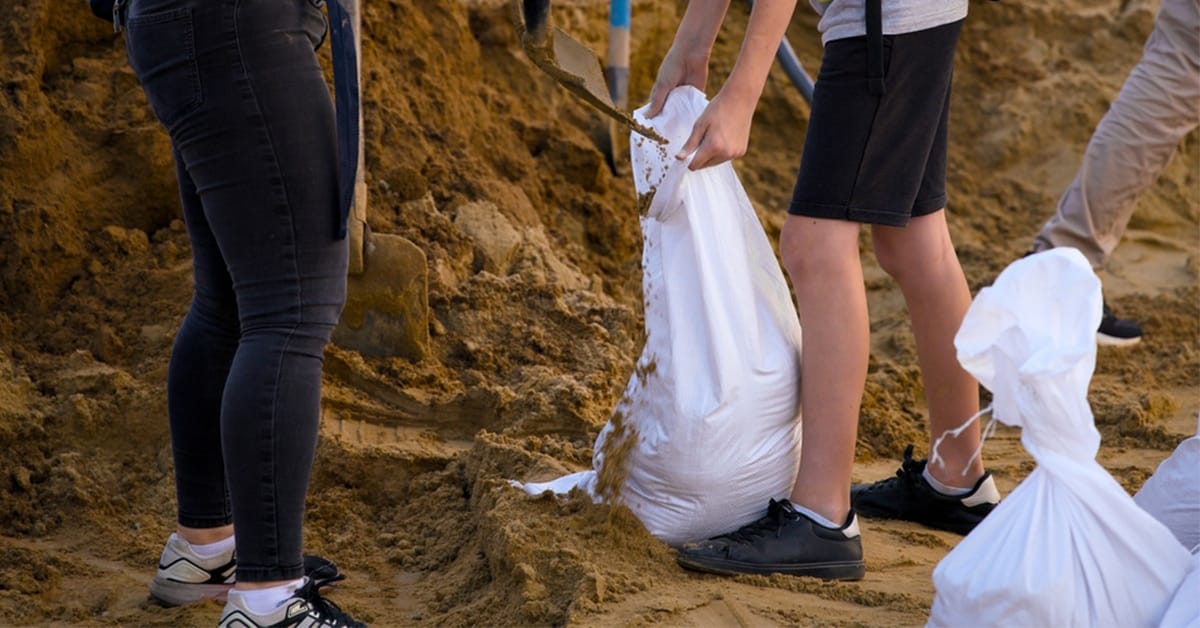
- Support during major flooding and outbreaks of animal diseases
- Assistance to civil authorities for public order and safety
The Belgian army also employs reservists. Each reservist receives basic training and can be called up by the army for several days to several weeks per year, depending on their commitment and needs. Deployment depends heavily on their profile:
- Operationele steun
- Guarding barracks or sensitive infrastructure.
- Assisting with patrols or guard duties (e.g. Operation Vigilant Guardian following the terrorist threat).
- Logistieke en administratieve steun
- Assistance with transport, supply and medical support.
- Support in communication, IT or administration.
- Civiele ondersteuning
- Help with disaster management, flooding or crisis situations in collaboration with civil services.
- Specialistische inzet
- Reservists with specific knowledge (doctors, engineers, IT professionals, lawyers…) are often called upon for their expertise.
Fire brigades: the backbone of emergency services
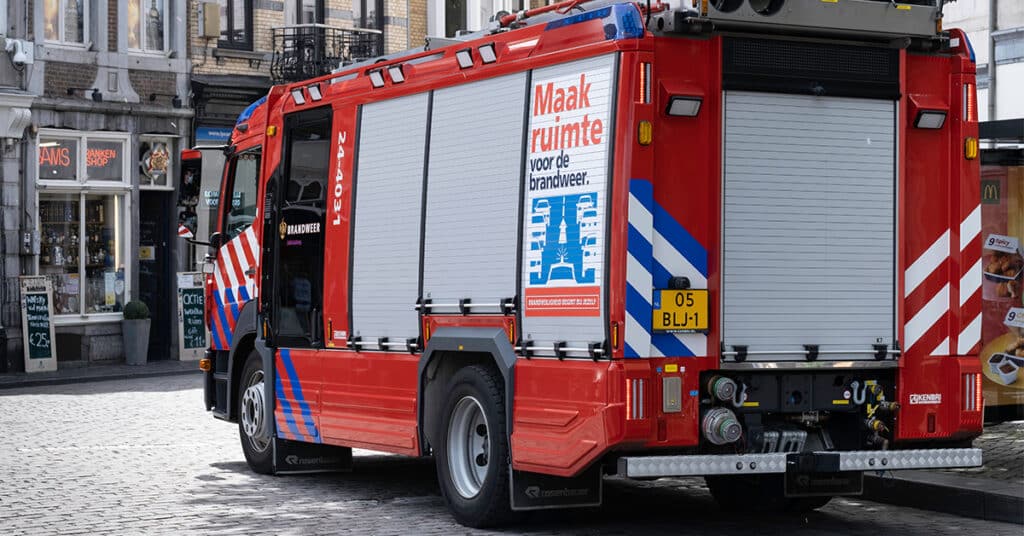
80% of the approximately 24,000 operational firefighters in the Netherlands are volunteers. In Belgium, that’s two-thirds of the approximately 18,000 firefighters. These figures illustrate how crucial volunteer firefighters are for safety. Without these volunteers, the fire service system would simply collapse.
The tasks of volunteer firefighters have expanded considerably in recent decades:
- Traditional firefighting
- Technical rescue at accidents
- Water damage and storm damage
- Assistance with hazardous substances
- Animal rescue
Recruiting and retaining volunteer firefighters is an important theme within the Dutch fire service, with challenges particularly in rural areas and along national borders. This problem is exacerbated by the fact that people nowadays often no longer live and work in the same place. In Belgium too, there is a constant search for volunteer firefighters.
First aid and medical volunteer corps
The Dutch Red Cross works with over 10,000 volunteers in the Netherlands. These volunteers form a broad network that can be deployed in various types of emergency situations. In Belgium, the Red Cross Flanders plays a central role in coordinating the new municipal volunteer corps. Red Cross Flanders provides the necessary coordination and support for the volunteer corps, with all participants receiving first aid training as a foundation.
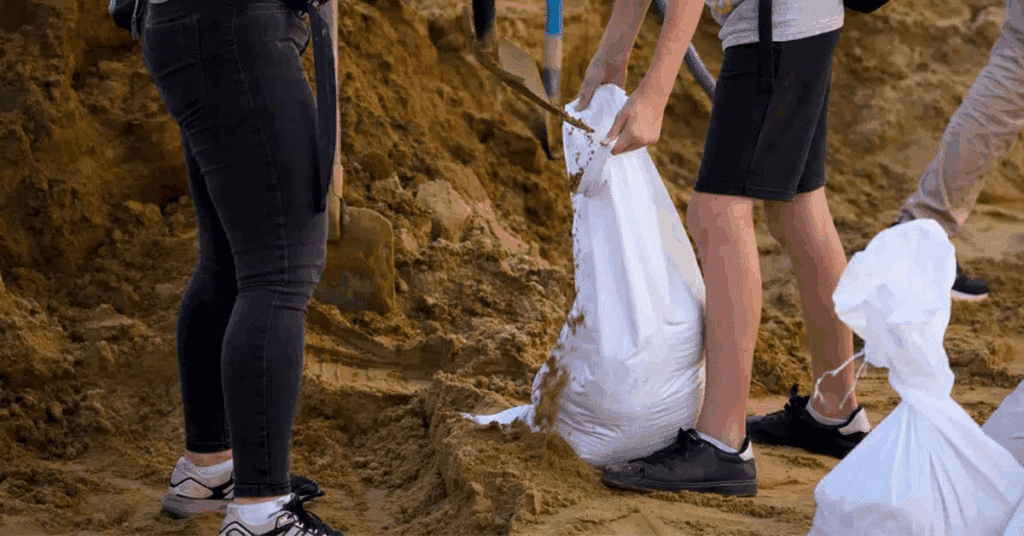
Red Cross volunteer work includes in both countries:
- First aid provision at events and sports matches
- Emergency aid and evacuation support
- Food aid to people in need
- Education and information about emergency situations
- International humanitarian aid
Municipal volunteer corps in Belgium
Flemish Minister for Home Affairs Hilde Crevits has allocated 1 million euros per year for the establishment of volunteer corps throughout Flanders, with Red Cross Flanders providing the necessary coordination and support.
Lubbeek was the first Flemish municipality to establish a volunteer corps for young adults in 2022. This pioneering project demonstrates how local initiatives can develop into broader movements.
The Flemish volunteer corps have specific characteristics:
- Minimum 10 to maximum 80 participants per municipality
- All participants receive first aid training as a basis
- Local management by the mayor
- Support via a specially developed crisis tool app
Neighbourhood watch and citizen safety initiatives
In 2015, almost half of Dutch municipalities (47.3 per cent) had neighbourhood watch schemes, amounting to 661 active teams. These figures show that neighbourhood watch has become a widespread phenomenon.
In Tilburg, more than 300 people are actively working for the liveability and safety of their neighbourhood. This illustrates the scale at which citizens are committed to local safety.
Neighbourhood watch works according to various mechanisms:
- Direct intervention: In suspicious situations, volunteers can approach or intervene with people
- Information: Residents are informed, thereby reducing opportunities for crime
- Deterrence: Visible patrolling deters potential criminals
- Information provision: Police and authorities receive better information for more effective action
How volunteer corps are organised
Organisational structure and coordination
Most volunteer corps employ a hierarchical structure with clear chains of command. In municipal corps, ultimate responsibility often lies with the mayor, whilst day-to-day operations are led by experienced volunteers or professional coordinators.
The Flemish Support Centre for Volunteering has developed a comprehensive manual for municipalities wishing to establish a volunteer corps. This manual covers all aspects of preparation, recruitment, training and deployment of volunteers.
Training and certification
Modern volunteer corps maintain strict training standards. Training to become a volunteer firefighter takes two years and is fully provided by the fire service. This intensive training ensures that volunteers function at the same level as their professional colleagues.
A similar system applies to first aid volunteers with basic training followed by regular refresher courses and specialisation modules for specific situations such as alcohol and drug incidents.
Technology and communication
WhatsApp Neighbourhood Watch is a widely used system whereby residents can quickly inform each other and the police about suspicious situations. This technology has significantly increased the effectiveness of neighbourhood watch.
The development of specialised apps and digital platforms makes it possible to quickly mobilise and coordinate volunteers during crisis situations.
Challenges and bottlenecks
Recruitment and retention of volunteers
In recent years, regions have found it increasingly difficult to recruit and retain sufficient volunteers, particularly in rural areas and along national borders. This challenge is exacerbated by changing work patterns and social developments.
Factors that hinder recruitment:
- Increased time pressure in daily life
- Changing work patterns and mobility
- More complex training and certification requirements
- Legal and insurance complications
Legal and ethical considerations
The legal status of volunteer firefighters in the Netherlands is in conflict with European legislation and case law. This problem requires structural solutions that preserve the voluntary nature whilst complying with European standards.
The deployment of neighbourhood watch schemes is not without risk, whereby action is sometimes taken at the expense of other values and the principle of equal treatment is compromised.
Balance between professionalism and volunteering
Modern volunteer corps must find a delicate balance between maintaining their accessible, community-oriented character and meeting increasingly strict professional requirements.
Future of volunteer corps
New initiatives and innovations
The Burgerreserve wants to build up a societal reserve so that societies become more resilient and shape their own future. This type of cross-border cooperation shows the direction in which volunteer organisations are developing.
The focus is increasingly on:
- Prevention and preparation instead of only reaction
- Integration of different volunteer corps
- Use of modern technology for communication and coordination
- Cross-border cooperation
How to become a member of a volunteer corps?
Conditions and requirements
For most volunteer corps, basic requirements apply such as:
- Minimum age (usually 16-18 years)
- Physical and mental fitness
- Willingness to train and regular deployment
- Good command of the Dutch language
- Sometimes a Certificate of Conduct (VOG) or extract from the criminal record
International cooperation
Because a disaster or crisis pays no heed to borders, initiators are launching the Burgerreserve directly in the Netherlands and Belgium. This cross-border approach is becoming increasingly important in an ‘interconnected world’.
Examples of international cooperation:
- Joint training and exercises
- Exchange of expertise and best practices
- Coordinated response to cross-border disasters
- Harmonisation of training standards and procedures
Success stories from practice
Local heroes make the difference
In Lubbeek, around thirty young adults have successfully completed basic training and now form the first official volunteer corps of Flanders. This success has inspired dozens of other municipalities to set up similar initiatives.
During the coronavirus crisis, many vaccination centres in the Netherlands and Flanders consisted for the most part of volunteers, who deployed themselves flawlessly and correctly. This demonstrates how quickly volunteer corps can respond to unexpected crises.
Conclusion: indispensable pillars of a resilient society
Volunteer corps form an essential part of the modern safety chain in the Netherlands and Belgium. From the 19,000 Dutch volunteer firefighters to the growing movement of municipal volunteer corps in Flanders – these organisations prove their worth time and again. They fill the gap between professional emergency services and citizen involvement, with local knowledge and community spirit providing crucial added value. Whilst challenges such as recruitment, legal complexity and funding remain, recent developments such as the cross-border Burgerreserve and digital innovations in neighbourhood watch schemes show that this sector is continually adapting to modern needs. For anyone who wants to contribute to a safer and more supportive society, volunteer corps offer a meaningful way to make a difference – literally on the street corner.