
Radioactive radiation in our time
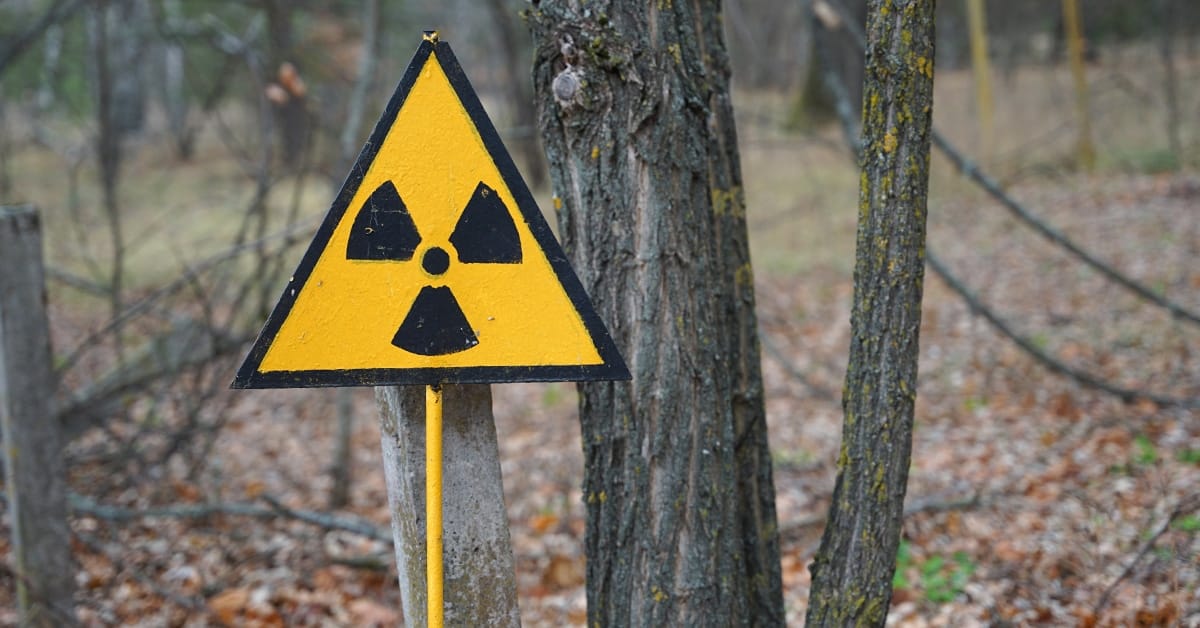
Natural radiation sources and medical applications ensure that radioactive radiation surrounds us daily. Unfortunately, nuclear disasters can significantly increase that radiation. The recent attacks on Iranian nuclear facilities in June 2025 have made that clear once again. But what does radioactive radiation actually mean for our safety and health.
I notice that many people immediately feel a vague sense of fear when they hear the word ‘radioactive’, whilst they have little concrete knowledge about the actual risks. That’s understandable, but still wrong. Because only with accurate information can we adequately prepare ourselves for possible scenarios.
Radioactive radiation is not new: life on earth even developed when natural (background) radiation levels were much higher than today. Nevertheless, elevated doses can have serious consequences for our health, from acute radiation sickness to long-term effects such as cancer.
Radiation doses and their effects
The unit in which we measure radiation is the Sievert (Sv), where 1000 milliSievert (mSv) equals 1 Sv. This measurement indicates the biological impact of radiation on human tissue, not just the amount of radiation itself (unlike the gray).
It is important to emphasise that the timing of exposure is as crucial as the total dose. Spread over a year, a dose of 100 mSv has far less impact than if you receive the same dose all at once. This explains why medical professionals can perform CT scans without direct health risks, whilst the same amount of radiation in a nuclear disaster can be problematic.
With a Geiger counter you can measure radioactive radiation, you can measure alpha-beta and gamma radiation. This is useful if you work with radiation frequently, but also if you want to measure your environment. After the nuclear disaster in Fukushima, suddenly everyone wanted one: people who ordered one had to wait up to five months before their radiation meter was delivered.
Natural background radiation
- Global average: 2.4 mSv per year
- In Europe: 2-7 mSv per year (depending on location)
- Belgium/Netherlands: approximately 2-3 mSv per year
For most people, this is the largest source of radiation exposure during their lifetime. This natural background radiation comes from cosmic radiation, radon in buildings, and natural radioactive elements in soil and rock. Pilots and flight crew receive additional cosmic radiation because they spend so much time at high altitudes.
Medical procedures:
- Chest X-ray: 0.1 mSv
- CT scan: approximately 10 mSv
- Radiotherapy: up to thousands of mSv (but that is only localised to a specific body part)
Medical radiation applications are the largest artificial source of radiation for the general population.
- A single CT scan gives you approximately five years’ worth of natural background radiation in one go, but this is considered acceptable due to the medical benefits.
Acute effects (short time, high dose):
- 100-250 mSv: Slightly increased cancer risk
- 750 mSv: Threshold for mild acute radiation sickness
- 1000 mSv (1 Sv): Severe acute radiation sickness
- 3-4 Sv: Direct fatalities begin from here (10-50% mortality rate)
- 5 Sv: Approximately 50% die within 30 days without treatment
- 6-7 Sv: 90% mortality rate (typical dose for Chernobyl victims)
- 8+ Sv: Practically always fatal within weeks
- 10+ Sv: Death within days to weeks, often due to brain damage
These doses only apply when the radiation is received in a short time (minutes to days). The human body can handle low doses over longer periods much better through natural cell repair mechanisms.
Chronic exposure (low dose, long time):
- 1 mSv per year: Internationally recommended limit for the public
- 20 mSv per year: Limit for workers in the nuclear sector
- 100+ mSv lifetime: Measurably increased cancer risk
These limits are deliberately set conservatively with ample safety margins. Some regions of the world have natural background radiation that exceeds these annual limits without demonstrable health effects in the local population.
☢️ In a shelter to avoid radiation?
Some shelters offer protection against radiation. Their effectiveness depends on the type of radiation and the construction of the shelter.
Want to know more? Then read this article: Should I build a nuclear shelter myself?
Specific health effects
Acute radiation sickness occurs at doses above 750 mSv in a short time. Symptoms begin within hours to days and include nausea, vomiting, diarrhoea and in severe cases damage to the bone marrow and nervous system.
Lethal radiation doses begin from approximately 3-4 Sv (3000-4000 mSv) when received in a short time. At these levels, 10-50% of exposed persons have a chance of dying within 30 days without medical treatment. The 28 Chernobyl workers who died in the first three months had typically received doses of 6 Sv. Above 8 Sv, radiation becomes practically always lethal, with death occurring within days to weeks due to complete bone marrow failure or neurological damage.
Thyroid cancer is the most documented long-term effect. At Chernobyl, nearly 20,000 cases of thyroid cancer were diagnosed in people who were children or adolescents at the time of the accident. Radioactive iodine concentrates in the thyroid gland, especially in young children.
Other types of cancer can also develop, but are more difficult to link to radiation due to the long latency period and relatively low increases above the natural background incidence.
Examples of nuclear disasters and their consequences
Explosive nuclear disasters: Chernobyl (1986) as an extreme example
The nuclear disaster in Chernobyl (1986) remains the worst nuclear disaster in history. The explosion and subsequent fire released enormous amounts of radioactive material. Radiation levels in most affected areas of the reactor building were estimated at 300 Sv/hour – enough for a lethal dose in more than a minute.
Of the 600 workers present during the disaster, 134 people received high doses (0.8-16 Gray (Gy)) and suffered from acute radiation sickness. Within three months, 28 of them died, and another 19 died between 1987-2004 from various causes not necessarily related to radiation.
Fukushima 2011: a ‘modern’ nuclear disaster
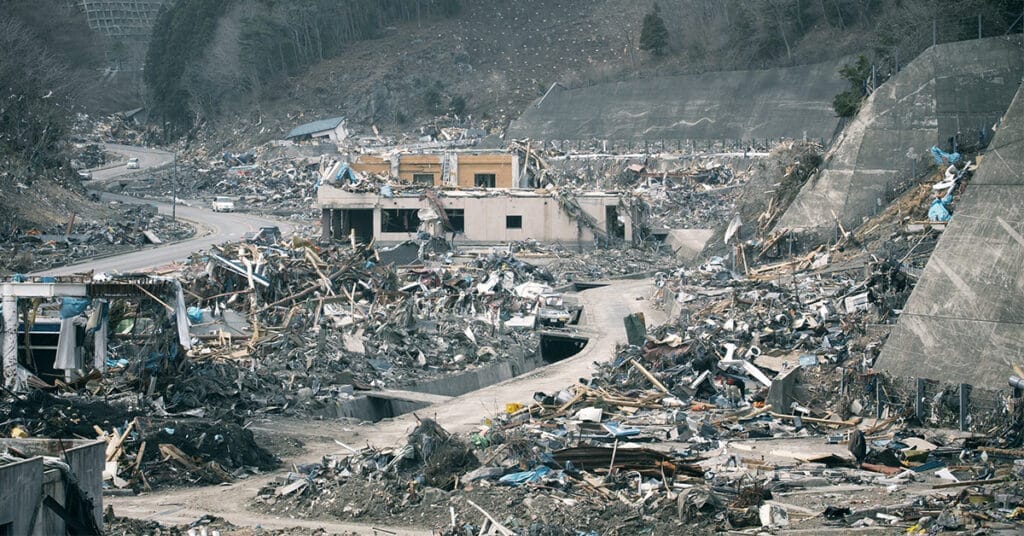
The nuclear accident in Fukushima (2011) shows a different type of disaster. It occurred after the severe earthquake and tsunami. The management of the nuclear power plant were convicted because they had not listened to reports calling for preventive measures to be taken in a tsunami-prone area. Although also serious, radiation doses were significantly lower than in the Chernobyl nuclear disaster. Most residents of Fukushima prefecture received lifetime effective doses of approximately 10 mSv or less.
Remarkably, there were no direct deaths from radiation at Fukushima – one employee died in 2018 from the released radioactive radiation. Most health effects were psychological in nature – people had to stay in reception centres due to the nuclear disaster and earthquake and had no electricity for a time. Even in the most severely affected areas, radiation doses never exceeded more than a quarter of the dose linked to increased cancer risk. The earthquake and tsunami itself claimed an estimated 19,500 victims.
Iran 2025: Military attacks on nuclear facilities
The recent American attacks on Iranian nuclear facilities in June 2025 illustrate a new type of risk: nuclear installations can become a target during military conflicts. Fortunately, no significant radioactive dispersal was reported outside the targets by the International Atomic Energy Agency.
???? Want to know more about the Israeli-Iranian conflict?
The attacks on the nuclear facilities – with direct assistance from the United States – lead us to ask the following question: to what extent should we be concerned about these developments?
Read this article: Iran and Israel Conflict: How Worried Should We Be?