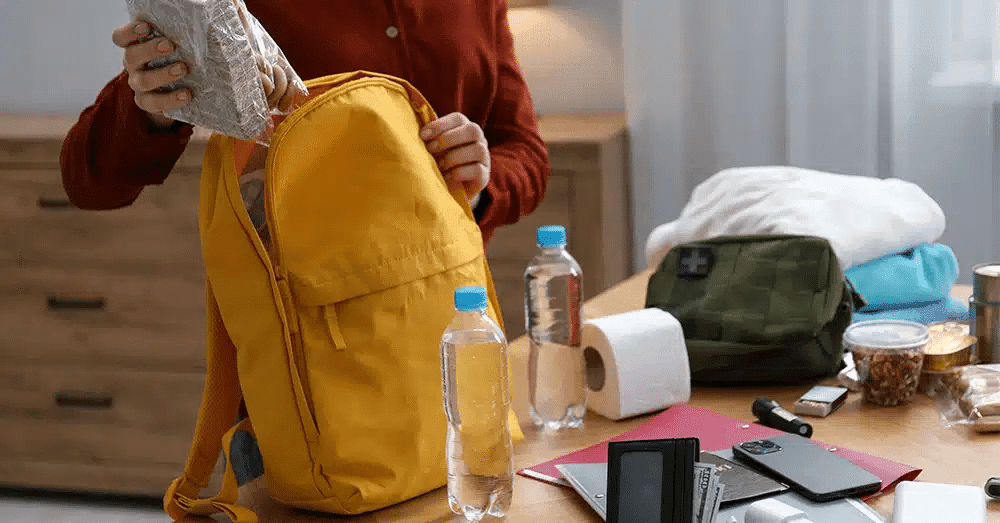
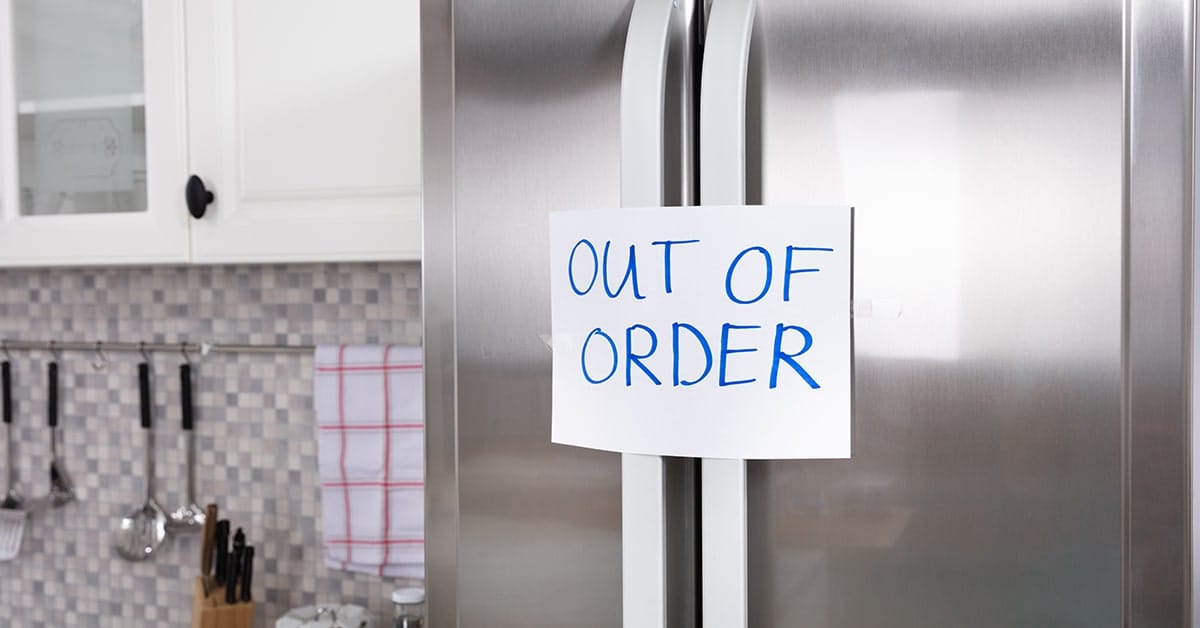
Building a stockpile is step one. Ensuring that stockpile doesn’t spoil is where things often go wrong. Without a fridge or freezer, you quickly lose your food — and therefore also your effort and money. This week we’re tackling that problem. No complicated techniques or expensive appliances, just simple methods that have worked for generations.
Why this is important
Those who want to be prepared must think beyond “I have food stored”. Power cuts, a broken fridge or simply a surplus from your garden: without preservation techniques you lose food. And that is exactly what you want to avoid.
Moreover, proper storage allows you to buy and cook more smartly. Buying in bulk or making larger portions only makes sense if you can effectively preserve it afterwards.
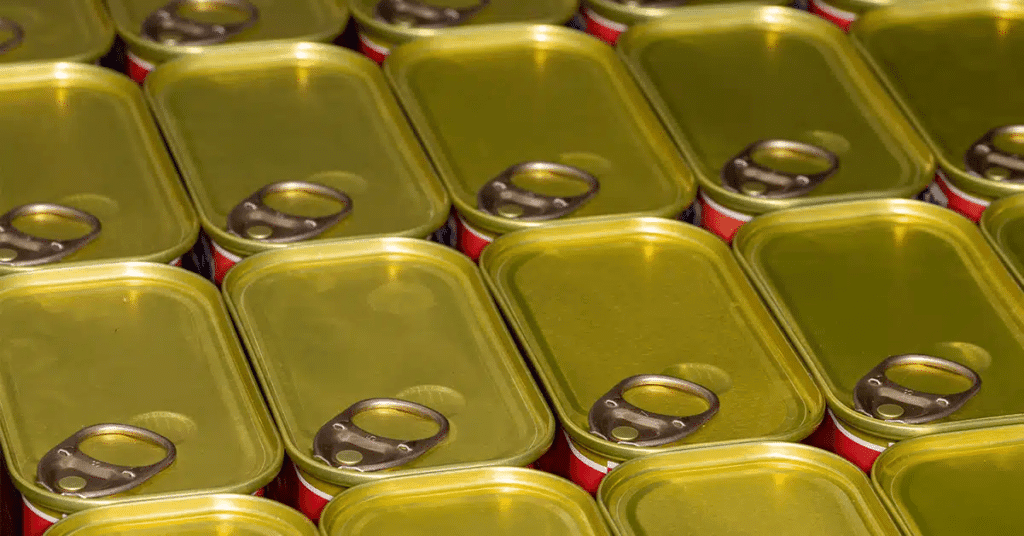
The basics: choose one method and apply it
You don’t need to become an expert in everything this week. On the contrary. Choose one technique and execute it properly.
Drying — simple and surprisingly effective
Drying is one of the oldest preservation methods. By removing moisture from food, bacteria don’t stand a chance.
Herbs, apple slices or mushrooms are ideal starters. Cut them thinly and let them dry in a warm, dry place or in the oven at low temperature.
The result is lightweight, long-lasting and easy to store.
🔗 with these 7 items you’ll survive a week without a supermarket
Canning — classic, but powerful
With canning, you heat food and seal it airtight in glass jars. Think of vegetables, soups or sauces.
Hygiene is crucial here. Work cleanly, use proper jars and seal them well. If you do it sloppily, you’ll breed bacteria instead of stopping them.
Salting and sugaring — old techniques that continue to work
Salt and sugar extract moisture and inhibit bacterial growth.
Fish, meat or fruit can be preserved longer this way without refrigeration.
It’s not a method for daily use, but it is a reliable back-up.
Freezing — as long as it’s still possible
If you still have electricity, use it wisely.
Freeze food in portions and label everything.
But be honest: this is not a long-term solution. See it as a temporary advantage, not as a certainty.
Checklist
- Choose one preservation method
- Process at least one product
- Label everything with date
- Check the result after a week
🪖 Self-sufficient in 52 weeks
Every week a small, achievable tip that you can apply immediately. No expensive survival gadgets or unrealistic scenarios, but practical steps with which you better prepare your family for power cuts, chaos or unexpected crises.
Follow the series and discover how in one year you grow from zero to completely prepared. 52 weeks, 52 tips – and you’ll be stronger than 90% of the people around you.
Discover all the tips here!