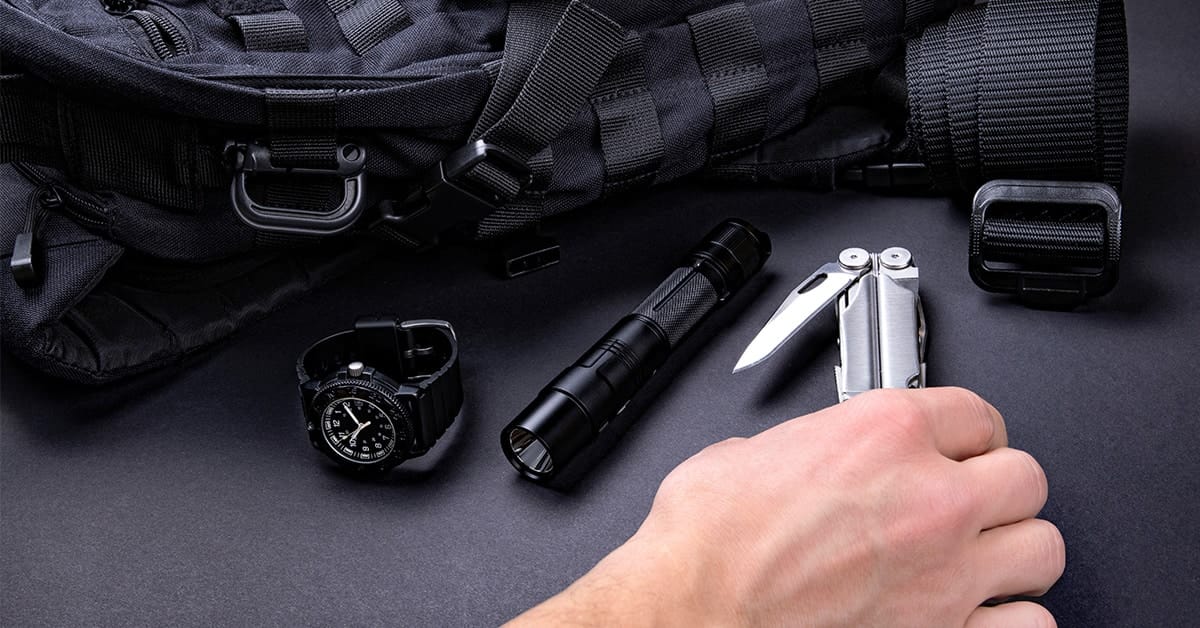

Why your everyday backpack is more than a book bag
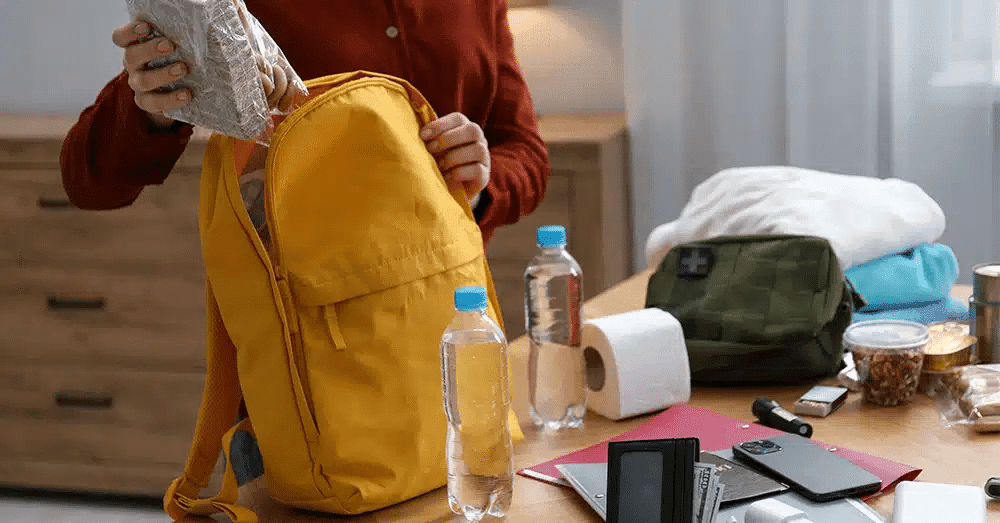
Most people put their laptop, wallet and a bottle of water in their backpack and leave. That’s usually enough. But a problem with the train, a power cut, an accident in the street…: these are situations that nobody plans, but it can happen to anyone. Those who have a well-stocked everyday backpack with them at that moment are much better off.
The idea behind a well-thought-out day backpack is simple. You already often have a bag with you. Why wouldn’t you organise it in such a way that you can also benefit from it when it matters? It’s not about a fully loaded emergency kit or military equipment: it’s about a handful of small, lightweight items that make the difference between waiting dependently and taking action yourself.
I notice that, since I’ve been more conscious about the contents of my backpack, I’m calmer in unexpected situations. Not because I think the world is ending, but because I know I have the basics with me. In the world of self-reliance, this concept is often referred to as EDC — everyday carry. Literally: what you carry with you every day. And although the term is popular in online communities, the principle is as old as the road to Rome.
What is EDC and why does it matter?
EDC stands for everyday carry: the items you have with you daily, consciously chosen based on utility and functionality. It’s not a checklist you blindly copy. It’s a personal selection, tailored to your life, your environment and your needs.
A student in Brussels needs different items than a construction worker in Limburg or a civil servant who commutes daily between Antwerp and Ghent. But the basic principles overlap: you want light when it’s dark, something to cut with, a way to charge your phone and the basics to help yourself or someone else with a minor accident.
The difference between EDC and an emergency kit
An emergency kit — as the National Crisis Centre recommends — is intended to sustain you at home for at least 72 hours. An EDC backpack is something completely different. You carry it with you, every day. It’s about compact, lightweight items that don’t hinder you but are there when you need them.
Think of the difference between a fire extinguisher in the hallway and a smoke detector in your bedroom. One stands ready for the worst; the other is always there and warns you at the first sign.
The basics: what should always be in your backpack?
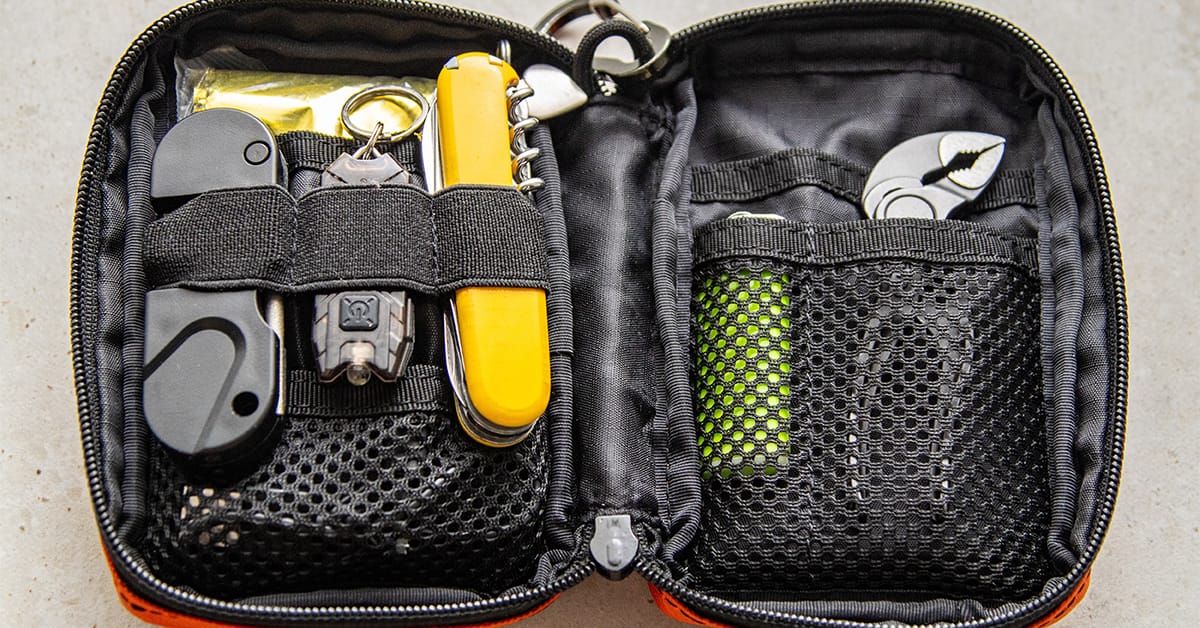
The core of a good everyday backpack consists of a few categories. Below I’ll go through them — not as a rigid list, but as a starting point that you adapt according to your own judgement.
Light: a compact torch
A torch is perhaps the most underestimated item in a day backpack. Anyone who thinks that the torch function on a smartphone is sufficient has never stood in a dark car park with an almost empty battery.
A small LED torch — think of models from Fenix, Olight or Nitecore — weighs almost nothing and gives hours of light on a single battery. Some models have an SOS mode that flashes the international distress signal: three short, three long, three short. The Patriot previously wrote a comprehensive article about choosing torches — worth reading for those who are unsure.
💡Tip:
Choose a torch that runs on the same batteries as your other devices, or choose a rechargeable model with USB-C. That saves hassle with separate batteries.
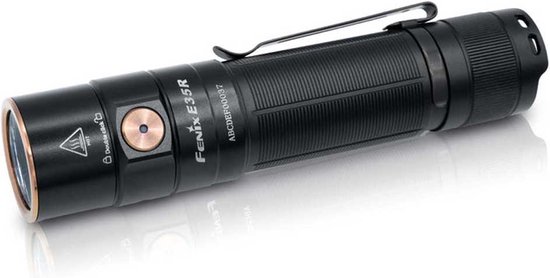
Fenix E35R EDC zaklamp 3100 lumen
Ontdek de Fenix E35R EDC zaklamp met een indrukwekkende lichtopbrengst van 3100 lumen. Deze oplaadbare lamp met een brede lichtbundel is ideaal voor avondwandelingen en biedt een batterijstatusindicator, die je waarschuwt wanneer het tijd is om op te laden. Inclusief batterij en 5 jaar garantie, is deze zaklamp perfect voor wie goed voorbereid wil zijn op onverwachte situaties.
A multitool or penknife
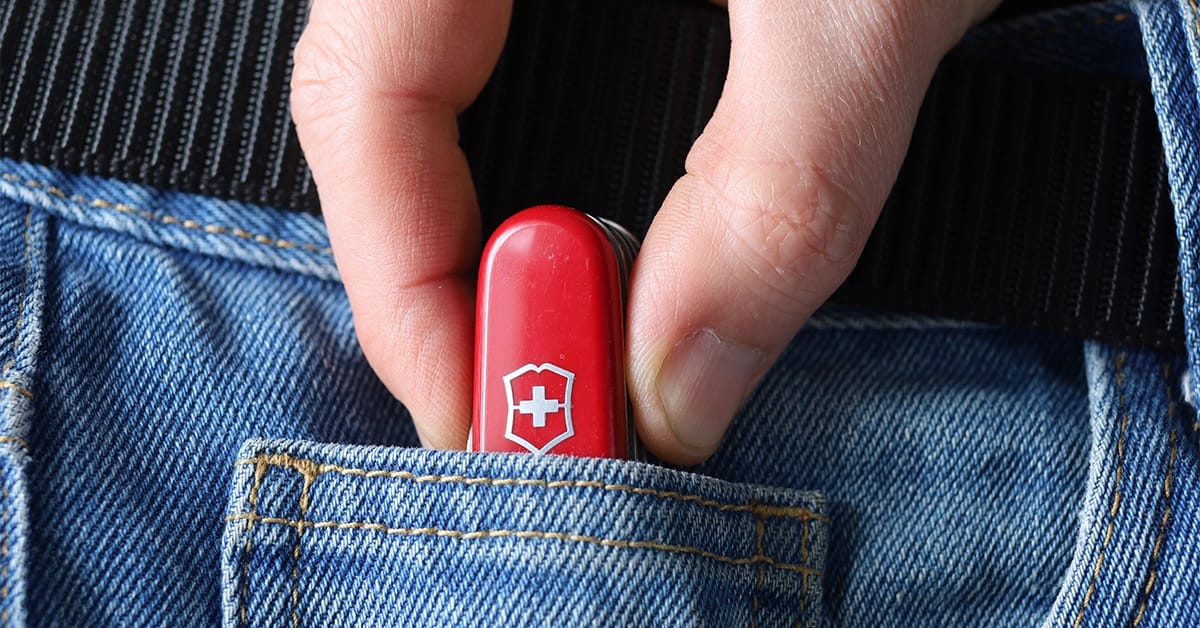
A knife or multitool is one of those items whose value you only see when you need one. Opening a parcel, cutting through a rope, tightening a screw — these are small things that become surprisingly difficult without tools.
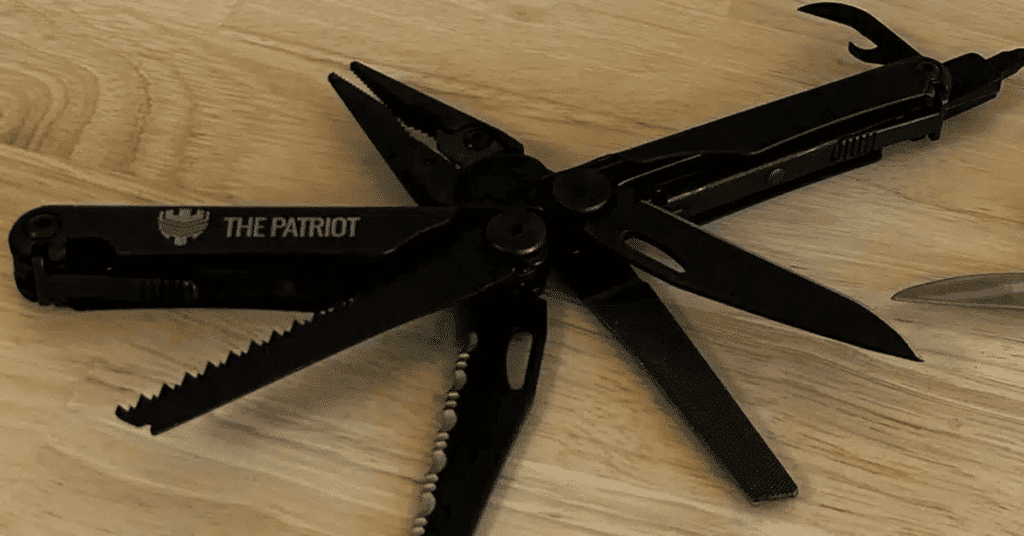
A Leatherman, Victorinox or Gerber fits in virtually any backpack and weighs between 100 and 200 grams. Do note the legislation: in Belgium you may carry a penknife if it serves a “legitimate purpose”, but a stiletto or butterfly knife is prohibited. Similar regulations apply in the Netherlands. Use your common sense and carry it as a tool, not as a weapon.
👇 read below a comprehensive review of the Leatherman Wave Plus Multitool
First aid: a compact first aid kit
You don’t need a complete medical kit. A few plasters, alcohol wipes, a pressure bandage, tweezers and a few paracetamol fit in a pouch the size of a wallet. That sounds like little, but it covers the vast majority of situations: a cut, a blister, a splinter, a headache.
The Patriot previously discussed the importance of first aid knowledge and equipment. The Red Cross advises a four-step plan for every emergency: assess safety, approach the victim, summon help and administer first aid. With a basic kit in your backpack you can actually take that last step.
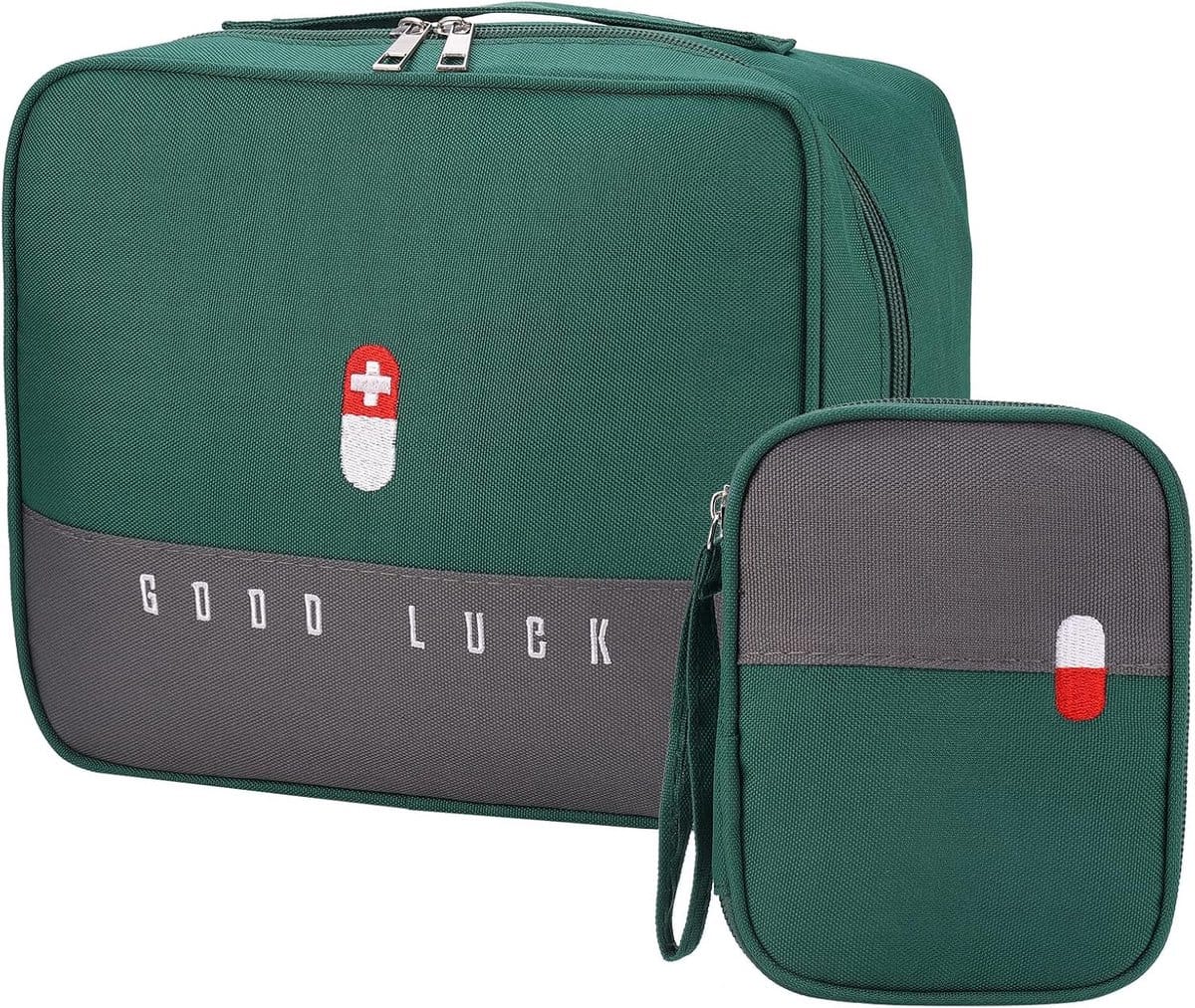
Lege EHBO-tas, 2 stuks
Twee lege EHBO-tasjes om je eigen kit samen te stellen.
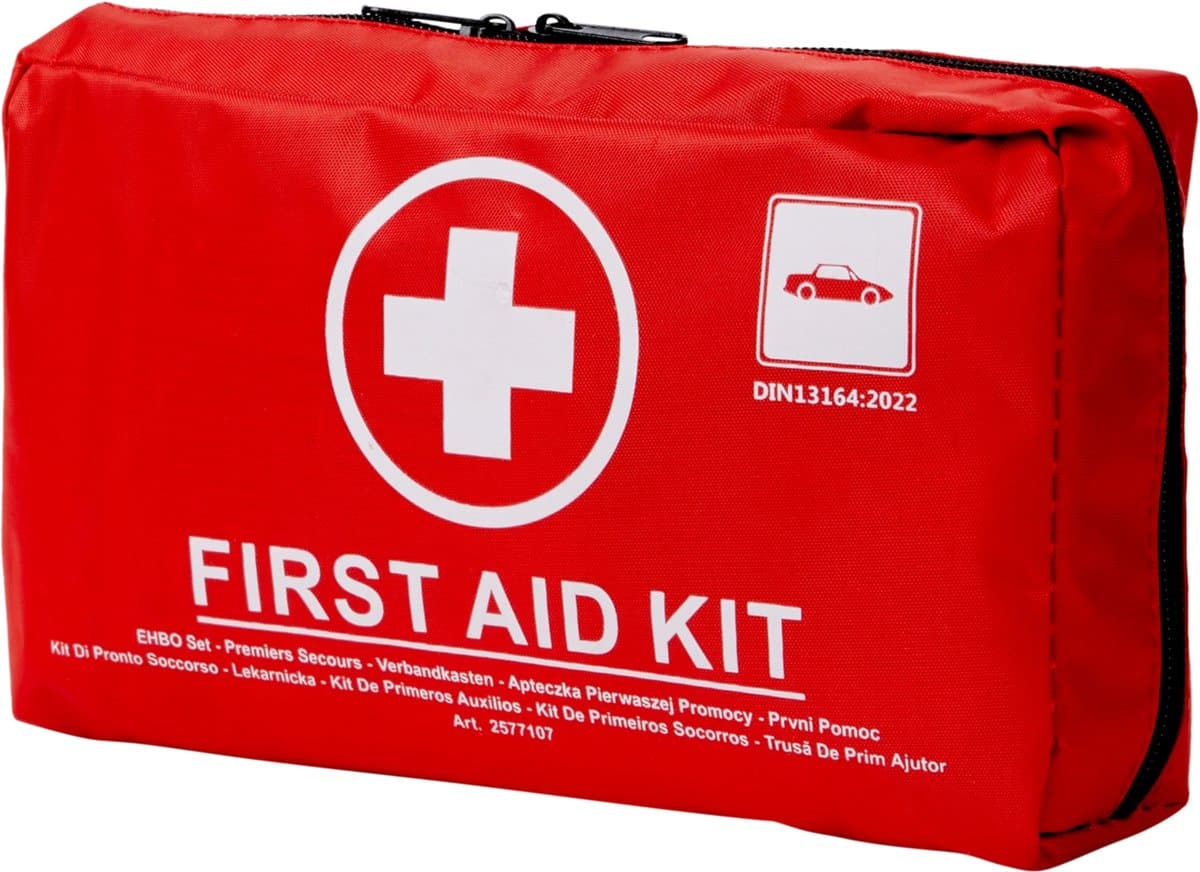
EHBO-kit 41-delig voor onderweg
Compacte EHBO-set met pleisters, verband en basismaterialen voor eerste hulp onderweg.
Power: a power bank
Your phone is nowadays your map, your payment method, your means of communication and your torch all in one. That makes it indispensable — and an empty battery therefore a problem. A power bank of 10,000 mAh weighs around 200 grams and charges most smartphones two to three times fully.
Choose a model with fast charging and preferably USB-C. Some variants have a built-in solar panel, handy if you’re outdoors a lot, but don’t rely on it as a primary charging source: the capacity of small panels is limited.
🔗 READ HERE: 5 excellent power banks for outdoor use
Water and a snack
It sounds almost too simple, but a refillable water bottle and an energy bar or bag of nuts can make the difference on a day that goes differently than planned. A missed train, sitting in traffic, an extra long meeting — your body works better when you’re hydrated and have eaten something.
Those who want to go a step further can take a compact water filter such as the LifeStraw Peak. It filters bacteria and parasites from natural water and weighs almost nothing. It’s not a daily necessity, but on a hiking trip or during longer journeys it can come in handy. Read more about it in this article about smart household items.
Extras that weigh little but deliver much
Besides the absolute basics, there are items that make your backpack more complete without making it heavier. None of the items below are strictly necessary, but each of them has helped me or people around me out of trouble at some point.
Pen and notebook
In an age of smartphones this sounds old-fashioned, but a pen and a small notebook always work — even with a flat battery, wet weather or cold fingers. Handy for noting down a registration number after a collision, writing down a phone number or leaving a message.
A waterproof notebook, such as from the brand Rite in the Rain, is a small investment that lasts for years:
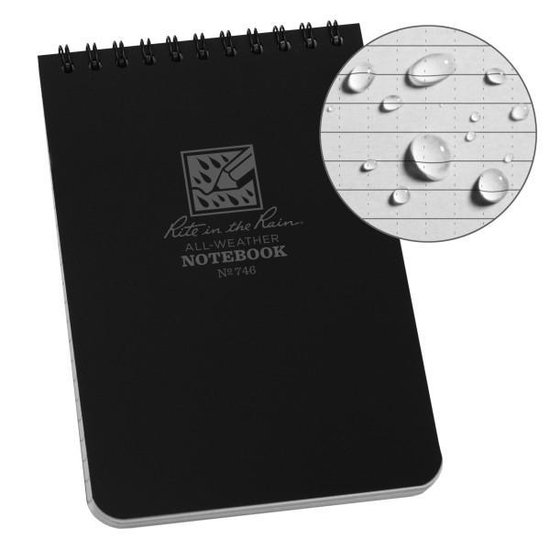
Rite in the Rain Weatherproof Top Spiral Notebook
Rite in the Rain papier is speciaal ontworpen voor gebruik onder alle weersomstandigheden. Het waterdichte en duurzame papier is geschikt voor schrijven, tekenen en notities maken, zelfs in regen, sneeuw of vochtige omgevingen. Perfect voor outdoor professionals, avonturiers en iedereen die betrouwbare schrijfmaterialen nodig heeft in uitdagende omstandigheden.
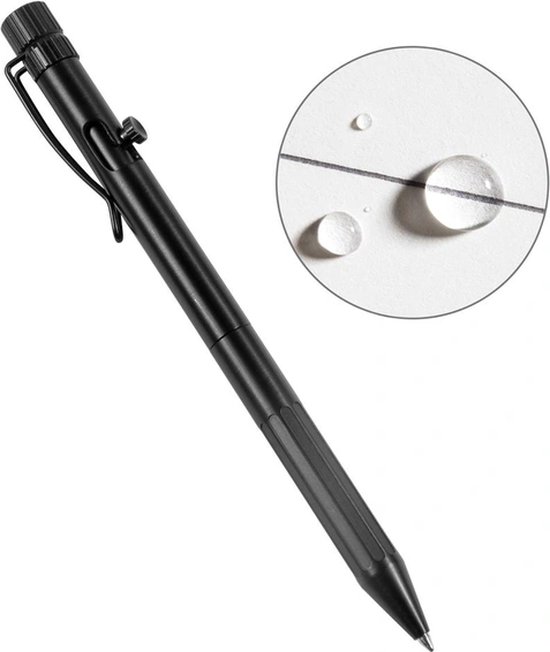
Rite In The Rain – Bolt-Action Pen
Ongeacht uw werkruimte, deze All-Weather Pen zorgt voor een heerlijke schrijfervaring. Het gepatenteerde inkt- en toedieningssysteem dat exclusief in Rite in the Rain-pennen wordt gebruikt, schrijft door water, zweet, vet en modder heen.
Paracord or a piece of rope
Two to three metres of paracord (or sturdy rope) fits rolled up in the smallest compartment of your backpack. The applications are endless: tying something down, carrying out a temporary repair, stringing up a washing line, securing an emergency bandage. Paracord is moreover made up of several thin strands that you can use separately.
Emergency blanket
A survival blanket — that thin, silver-coloured foil — weighs next to nothing and fits folded into the palm of your hand. On bol.com they are very cheap to find. In a traffic accident, a winter train breakdown or an unexpected night outside, such a blanket retains your body heat. It’s one of those things you hope never to need, but which makes you infinitely grateful when the time comes.
🔗 READ HERE how emergency blankets can protect against hypothermia
Fire steel or storm lighter
Making fire is a basic skill. A small fire steel or storm lighter takes up little space and works in conditions where an ordinary lighter fails: wind, moisture, cold. Not something for daily use in the city, but when you need it, you’re glad it’s there.
Whistle
An emergency whistle costs a few pounds, weighs nothing and carries its sound hundreds of metres — much further than a human voice. Anyone who gets lost, is injured or needs to attract attention will find this more useful than shouting.
How do you organise it?
A rucksack full of loose items is a rucksack in which you can’t find anything. Organisation is at least as important as the contents themselves.
Work with pouches and bags
Divide your items into small pouches or cases by category: first aid separate, tools separate, electronics separate. This way you can find everything quickly, even in the dark or under stress. Transparent or colour-coded bags work well.
Check regularly
Batteries run flat, plasters age, snacks expire. Plan a quick check every few months. It takes five minutes and prevents you from being stuck with flat batteries or expired materials at the wrong moment.
Adjust per season
In winter you add gloves, a hat and perhaps chemical hand warmers. In summer more likely sun cream and extra water. Your daily rucksack is not a static entity — it moves along with your life and circumstances.
Which backpack do you choose?
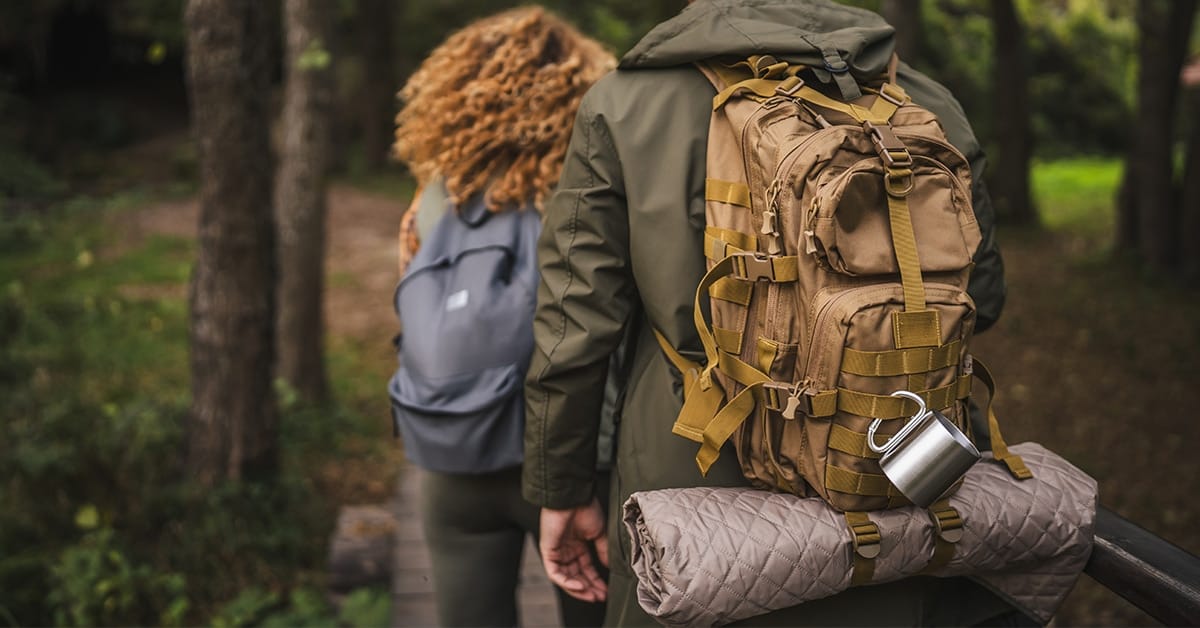
The bag itself also deserves attention. A good daily rucksack doesn’t need to look tactical or military. In fact: in an urban environment a conspicuous camouflage bag stands out more than it helps.
Look for a rucksack with a capacity of 20 to 30 litres, made of sturdy material (Cordura or similar), with multiple compartments and a comfortable carrying system.
Look for these features:
- Sturdy zips (YKK is the industry standard)
- A separate laptop compartment with padding
- Waterproof or water-repellent material
- Adjustable chest and hip strap for longer journeys
- MOLLE webbing or external attachment points are a bonus, but not a must
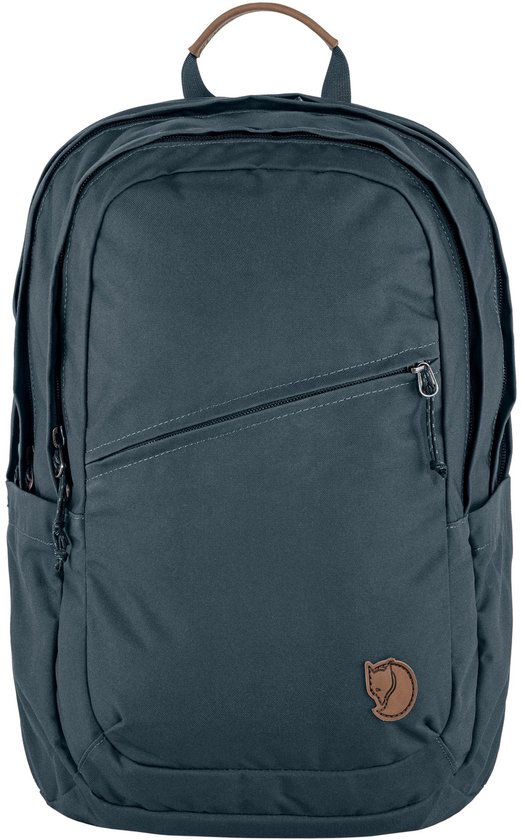
Fjällräven Räven 28 Unisex Rugzak
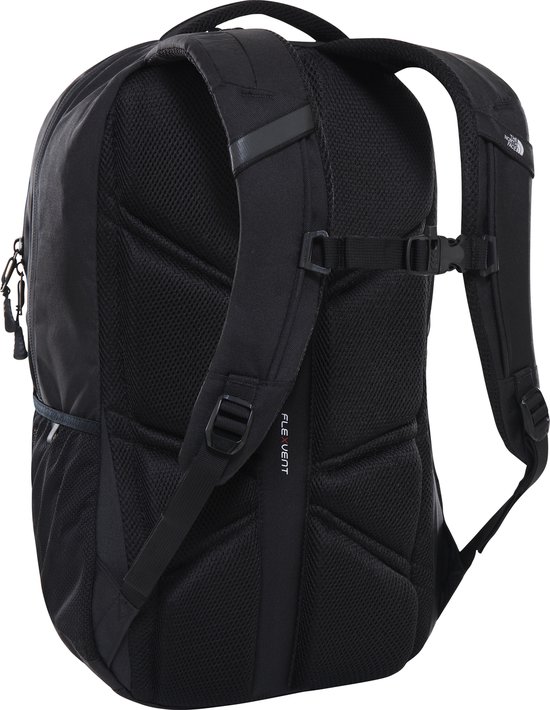
The North Face Connector Rugzak
De Connector Backpack van het merk The North Face heeft alles wat je zoekt in de perfecte rugzak. Door het sportieve design en het comfort van gevoerde schouderbanden en rugpaneel, kun je deze backpack voor heel veel doeleinden gebruiken. Je kunt met deze backpack naar school of werk gaan, maar ook moeiteloos gebruiken als je gaat hiken in de bergen.
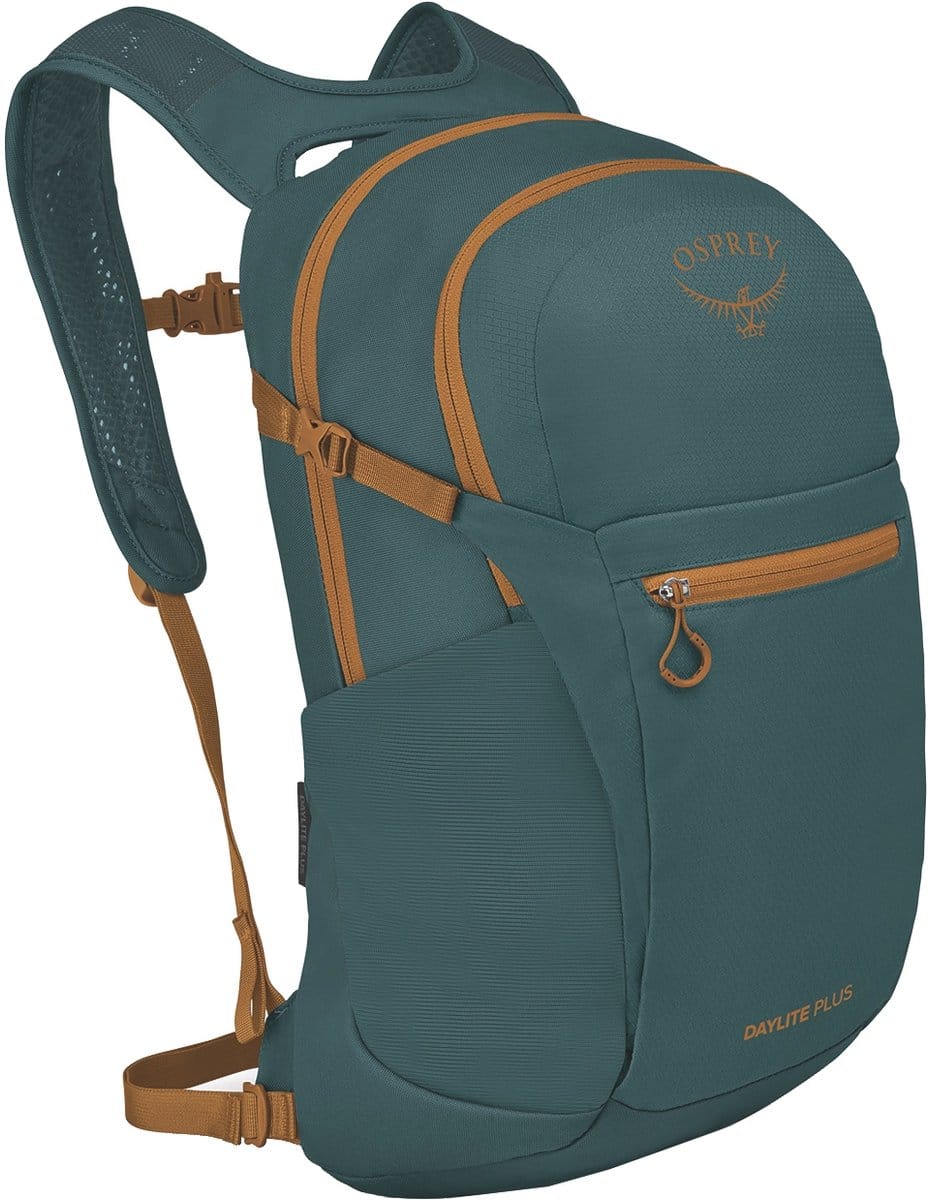
Daylite 20 L dagrugzak
Lichte dagrugzak van 20 liter die je ook als aanvalsrugzak bij een grotere rugzak gebruikt.
What you’d better not put in
Self-reliance is about smart choices, not about taking as much as possible. A few pitfalls:
Too much weight. If your rucksack is heavier than 4 to 5 kilos including laptop, you’ll leave it at home at some point. And a rucksack that stays at home doesn’t help you.
Weapons or illegal items. A penknife as a tool is fine. A large hunting knife or illegal weapon in your city rucksack is not only punishable, it’s also pointless for everyday situations.
Items you cannot use. A tourniquet is worthless if you don’t know how to apply it. Invest in knowledge alongside equipment. A first aid course at the Red Cross is a better investment than the most expensive medical pouch.