
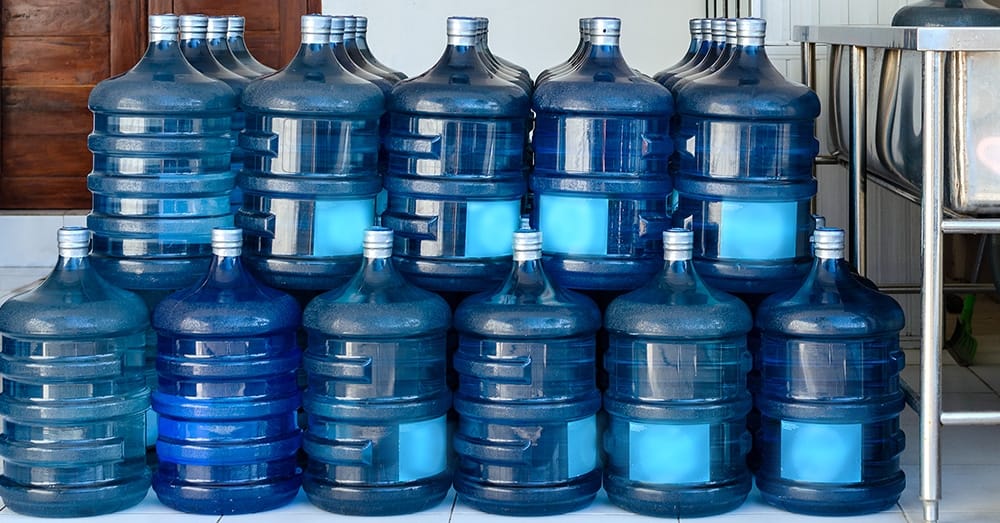
Why water supply is not a luxury
Water is the first thing your body craves when the situation becomes critical. No electricity, no running water from the tap – scenarios that are less far-fetched than they sound. The question is not whether you should store water, but how much.
Too little and you’ll fall short at the most crucial moment. Taking in too much without a plan causes storage problems and waste of space. This article explains how much water you really need for seven days, how to store it and what alternatives there are when your supply runs out, for example a simple powder with which you can purify water.
The basic rule: how much water per person?
Aid organisations such as the Red Cross maintain a clear guideline: a minimum of 2 litres of drinking water per person per day. That amounts to 14 litres for a week. This quantity covers basic needs: drinking and minimal hygiene such as hand washing.
But those 2 litres are a lower limit. In practice you need more:
- For cooking: Preparing food, boiling pasta or making rice requires extra water. Add 1 to 1.5 litres per day for this.
- During physical exertion: Those who need to carry, build or move during a crisis lose more fluids. Count on 3 to 4 litres per day.
- Hot weather: Heat significantly increases water requirements. In summer months your requirement can rise to 5 litres per day.
- Children and elderly: Young children and people with health problems need adjusted quantities.
For an average family of four, this quickly amounts to 56 to 80 litres of water for one week. That’s more than most people estimate.
Different types of water storage
You can store water in various ways. Each method has advantages and disadvantages, depending on your living situation and budget.
Jerry cans and water containers
Plastic jerry cans of 10 to 20 litres are practical and stackable. They’re convenient to move and take up relatively little space. However, note: choose containers that are specifically intended for drinking water. Some plastics release substances that can be harmful.
I prefer containers with a tap at the bottom – that prevents spills and makes dosing easier. Ensure they’re stored in a dark and cool place to avoid algae growth.
Water bags and collapsible reservoirs
For those with little storage space, collapsible water bags are a solution. These take up virtually no space when empty and can hold dozens of litres when filled. Disadvantage: they’re more vulnerable and can tear on sharp objects.
Bottles and smaller packages
Ordinary plastic bottles of water from the supermarket form a simple basis. They have a long shelf life and are immediately ready to drink. The disadvantage is the amount of plastic waste and the space they take up for larger quantities.
Water butts and larger tanks
Those who have a garden or spacious storage can consider using water butts or IBC containers. These hold hundreds of litres and are cheaper per litre. Note: rainwater is not automatically drinkable and requires purification.
Water storage: shelf life and quality
Water itself doesn’t spoil, but the quality can deteriorate due to bacterial growth, algae or chemical reactions with the packaging. Tap water that you store yourself remains good for approximately six months in clean, sealed containers.
Tips for long-term storage:
- Change your supply regularly – use old water for the garden and refill.
- Check every six months for cloudiness, odour or taste changes.
- Don’t store containers in direct sunlight. UV radiation accelerates plastic degradation and promotes algae growth.
Commercially bottled water often has a shelf life of one to two years, but often remains good for longer if the bottle remains unopened.
Water purification when your supply runs out
Even with a good supply, the moment may come when you need to collect water from sources that aren’t directly drinkable: rivers, rainwater,…
🧷 Purifying water? About that we previously wrote this article: 6 ways to make drinking water
Practical tips for water storage at home
A supply of 56 litres sounds overwhelming, but is achievable with a bit of organisation:
- Spread the storage: Don’t put everything in one place. Store some in the kitchen, some in the garage and possibly in the loft. If one room becomes inaccessible, you still have reserves.
- Rotate with daily use: Use stored water for tea, cooking or watering plants. Refill immediately so your supply remains fresh without throwing water away.
- Mark filling dates: Note on each container when you filled it. That prevents you forgetting which water is oldest.
- Think about pets: Dogs and cats need water too. Include their requirements in your calculation.
Conclusion
Water is the most essential supply you can create. For one week’s survival you need a minimum of 14 litres per person, but realistically count on 20 to 25 litres to get through a crisis comfortably. Additionally, it’s sensible to have purification agents or filters to hand for the moment your supply runs out. It needn’t cost a fortune and takes up less space than you think with the right containers. Start with a basic supply and build it up gradually – you’ll notice how quickly reassurance arises when you know you’re prepared.