
The first step: Awareness
Preparation begins with the realisation that we live in a changing world, in which unexpected situations can arise. This does not mean that you must live in fear, but rather that you think ahead and take responsibility for your own safety and that of your family. Awareness helps you to make rational and considered decisions, without panic or excessive doomsday thinking.
A prepared person can respond more quickly and effectively to emergency situations and is less dependent on external assistance. This not only gives a sense of control, but also increases the chances of successfully dealing with unforeseen circumstances. Moreover, you can also help other people in need if you know how to respond in difficult situations.
Risk analysis: What can happen?
Before taking action, it is important to carry out a risk analysis. This helps you to understand which threats are most likely in your region and situation. Consider:
- Natural disasters: Floods, storms, heatwaves, earthquakes.
- Energy failure: Power cuts, gas and water outages.
- Economic instability: Unemployment, inflation, food supply crisis.
- Health crises: Pandemics, antibiotic resistance, water pollution.
- Geopolitical tensions: War, cyber attacks, shortages of raw materials.
By mapping out these risks, you can make more targeted preparations and better protect yourself against the consequences of a crisis. It can help to make a list of potential threats and the impact they can have on your daily life. This gives you insight into the urgency of certain preparations.
Basic provisions: Where do you start?
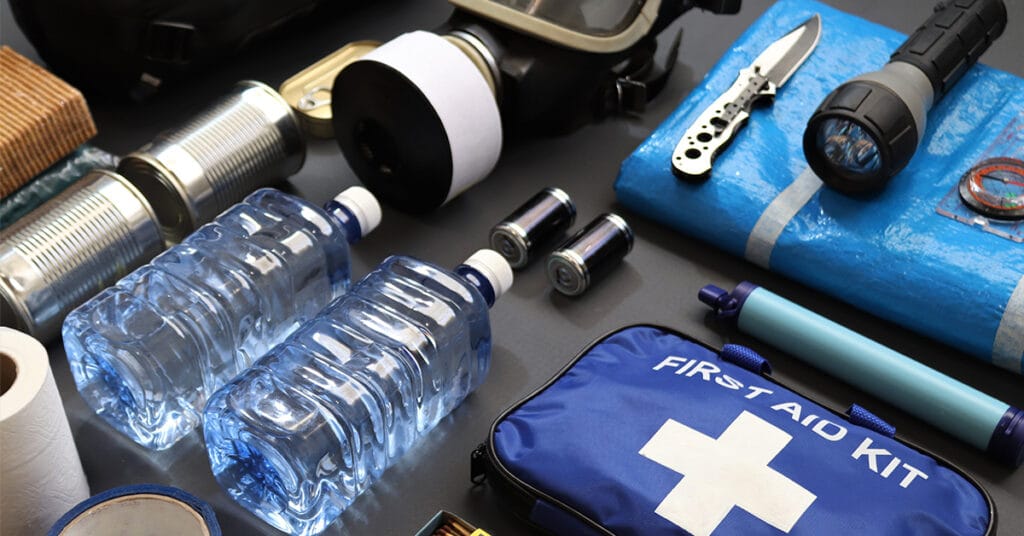
Preparation does not have to be complicated. Start with the basics and build from there to assemble an emergency kit. You will quickly notice that you may already have a great deal at home!
1. Water
Water is essential for survival. Ensure that you always have sufficient clean drinking water at home.
- At least 3 litres per person per day for at least one week.
- Water storage: jerry cans, bottles or a water butt with filter.
- Water purification methods: water filters, boiling methods or purification tablets.
- Check and replace stored water regularly to ensure quality.
2. Food supply
A food supply is an essential part of preparation. This helps you during periods of scarcity or crisis.
- Choose long-lasting products such as rice, pasta, pulses, tinned goods and dried fruit.
- Ensure a balance of nutrients (proteins, carbohydrates, fats and vitamins).
- Do not forget special needs (baby food, pet food, dietary requirements, allergies).
- Learn how to preserve food, such as drying, bottling or fermenting.
3. Energy and heating
In the event of a power cut or gas crisis, it is important to have an alternative energy source.
- Light sources: torches, candles, rechargeable lamps.
- Heating: blankets, sleeping bags, wood-burning stove.
- Alternative energy sources: generators, solar panels, power banks.
- Consider a strategy for storing fuel in a safe manner.
4. Health and first aid
A well-equipped first aid kit and basic medical knowledge are crucial in emergency situations.
- Dressings, painkillers, disinfectants.
- Personal medication and prescribed medicines.
- Knowledge of first aid (self-study or course).
- Ensure a supply of essential hygiene products such as soap, toothpaste and disinfectants.
5. Communication and information
During a crisis, normal means of communication can fail. This is easy to overcome, provided the right preparations are made.
- Noodradio met batterijen of opwindmechanisme.
- Back-up telephone or satellite phone.
- List of emergency numbers and addresses.
- Use an emergency plan stating who you should contact and where you can go in a crisis situation.
Want to know more?
Read below some interesting articles about how you can prepare:
- According to the American government, these 14 items must be in your emergency kit
- Essential emergency equipment for your car: be prepared for every situation
- The 5 best cars for emergency situations
Personal preparation: Skills and knowledge
In addition to physical preparations, it is important to develop basic skills:
- First aid and medical care: how do you respond to injuries?
- Basic survival techniques: making fire, preparing food without electricity.
- Self-defence and personal safety: knowing how to protect yourself.
- Repair and maintenance: basic knowledge of tools and repair work.
- Recognising natural resources: learning which wild plants are edible or medicinal.
Financial preparation
A financial buffer can be crucial during a crisis.
- Save an emergency fund for unforeseen costs.
- Keep some cash at home in case electronic payments fail.
- Invest in tangible goods such as food, fuel and barter items.
- Consider keeping part of your savings in alternative currency or precious metals.
The importance of an emergency plan
A good emergency plan helps you to act quickly and effectively in the event of a crisis.
- Evacuation plan: where do you go if your home becomes uninhabitable?
- Assembly points: agree with family members where you will meet each other.
- Emergency contacts: make a list of important telephone numbers and addresses.
- Documents: ensure copies of passports, insurance policies and important papers.
- Exercises: test your emergency plan regularly to see if it works in practice.
Small steps, big difference
Preparation does not have to be expensive or complicated. Start small:
- Buy a few extra tins of food and water each week.
- Learn a new skill such as first aid or making fire.
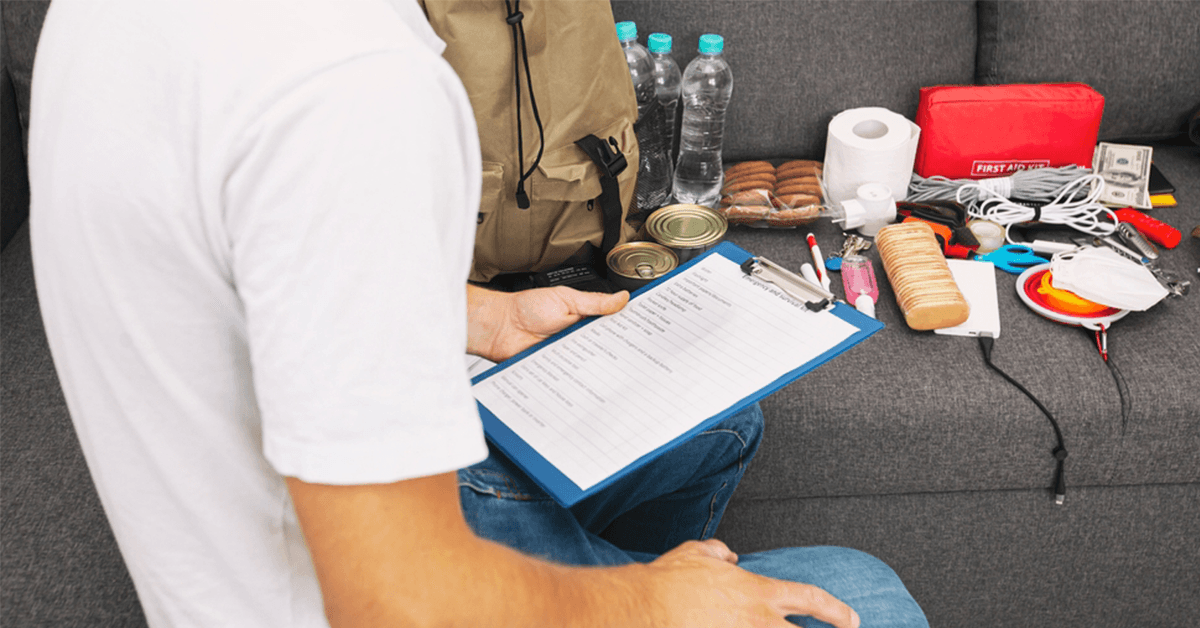
- Make a list of items you already have and what you still need.
- Talk to family and friends about how you can support each other in an emergency situation.
By working on your preparation step by step, you ensure that you and your family are better protected against future uncertainties. Being prepared does not mean panicking, but facing the future with confidence and calm.