When simplicity makes the difference
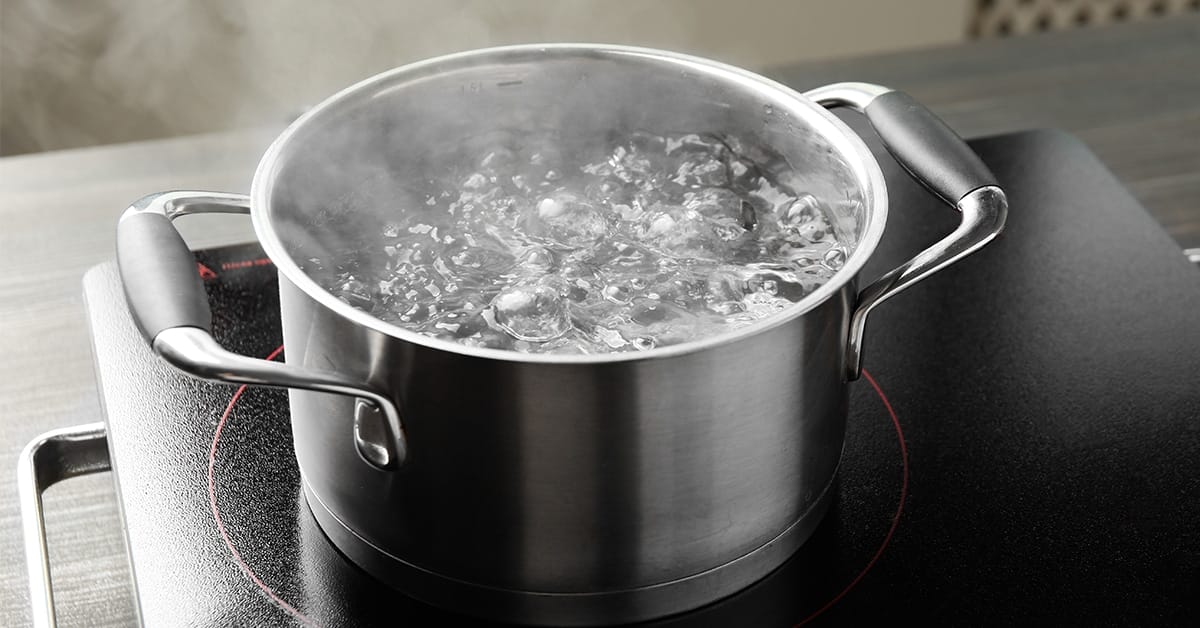
Boiling water. That’s all you need for the meals in this article. No pans, no complicated preparations, no pile of washing-up afterwards. In situations where you’re dependent on minimal resources – during a power cut, in an emergency or simply whilst on a trek – that simplicity can make the difference between a good and a bad day.
In recent years, interest in this type of food has increased considerably. Not only amongst walkers and campers, but also amongst people who want to supplement their supplies at home with practical emergency food. Because let’s be honest: if you don’t have access to your kitchen or if the power goes out, you don’t want or can’t spend hours cooking. You want food that’s ready quickly and that gives you the energy you need.
Below you’ll find five different types of meals that you can prepare with boiling water. From freeze-dried complete dishes to simple basic ingredients that you can adapt to your own taste.
Freeze-dried meat meals: complete and quick
Freeze-dried meals with meat or fish are designed to contain all the nutrients your body needs. Think of dishes such as beef stroganoff with rice, chicken tikka masala or pasta bolognese. These meals are precooked and then frozen in a vacuum chamber, whereby all the moisture is removed without the taste or nutritional value being lost.
Preparation and shelf life
The preparation is simple: you tear open the packet, pour boiling water in up to the indicated line, seal the packet and wait about ten minutes. The food absorbs the water and largely regains its original structure and taste.
These meals often have a shelf life of 15 to 25 years, depending on the packaging. Tins generally offer a longer shelf life than foil pouches. The calorific value is usually between 400 and 600 kilocalories per portion, which for many people is sufficient for a main meal at an average activity level.
Nutritional value
What you need to watch out for is the salt content. Many freeze-dried meals contain considerable amounts of salt for taste and preservation. That’s not a problem in itself for occasional use, but if you’re dependent on this type of food for a longer period, it may be wise to seek variety.
Vegetarian and vegan options: without animal products
For those who don’t want meat or fish, there are now many vegetarian and vegan freeze-dried meals available. Risottos, pasta dishes with vegetables and cheese, or Asian noodle dishes form complete alternatives.
Variety on offer
The vegetarian meals often contain more vegetables and pulses than their meat-based counterparts, which makes them a good source of fibre. That can help with digestion, especially if you’re temporarily dependent on emergency food which can otherwise be quite processed and low in fibre.
⏲️ Cooking time
Here too: add boiling water, wait a moment, and done. The preparation time varies between five and fifteen minutes, depending on the type of dish. Rice dishes often need a bit longer than pasta or couscous.
Instant noodles and soups: the quick classics
Noodle soups are probably the best-known example of food that you can make with only boiling water. They’re affordable, compact and incredibly light in weight. A packet often weighs no more than 100 grams, but does provide a quick meal.
Practical considerations
The disadvantage is that most instant noodles aren’t particularly nutritious. They’re full of carbohydrates, but contain little protein, vitamins or minerals. If you use them as part of your emergency supplies, it’s wise to combine them with other foods that offer more nutritional value.
You can upgrade instant noodles by adding ingredients yourself. Think of dried vegetables, egg powder or even some dried meat. That makes them immediately much more nutritious.
Soups as a supplement
Instant soups are similar to noodles, but without the noodles. They offer warmth and comfort, but also don’t fill you up for long. I see them more as a supplement to a meal rather than a complete meal in itself. Nevertheless, they’re handy to have to hand, especially if you want something warm quickly without much fuss.
Couscous and instant rice: the neutral base
Couscous and instant rice are excellent basic ingredients that you can prepare with boiling water. They’re fairly tasteless on their own, but that’s precisely their strength: you can combine them with virtually anything.
Ease of preparation
Couscous is even quicker to prepare than instant rice. You pour boiling water over it, leave it to stand for five minutes, and it’s done. Instant rice often needs a bit longer – around ten minutes – but the principle is the same.
These products are cheap, light and easy to store. A bag of couscous or instant rice takes up little space and keeps for months. That makes them ideal as part of supplies for emergencies.
Combination possibilities
You can combine couscous or rice with tinned vegetables, tinned tomato sauce, or dried herbs. If you apply a bit of creativity, you can put together a simple but nutritious meal. What I do myself is prepare different herb mixtures in advance – Italian, Mexican, Asian – and keep them in small jars. That way you can give your basic ingredients a different flavour each time without extra effort.
Porridge and instant breakfast cereals: start of the day
Breakfast is often overlooked when it comes to emergency food, but a good start to the day is important. Porridge and other instant breakfast cereals are perfectly suited for this.
Breakfast nutritional value
Porridge contains slow-release carbohydrates that give you energy for the rest of the day. It’s also a good source of fibre and contains more protein than you’d expect. You need instant porridge – the regular variety has to be cooked, and that’s not possible with only boiling water.
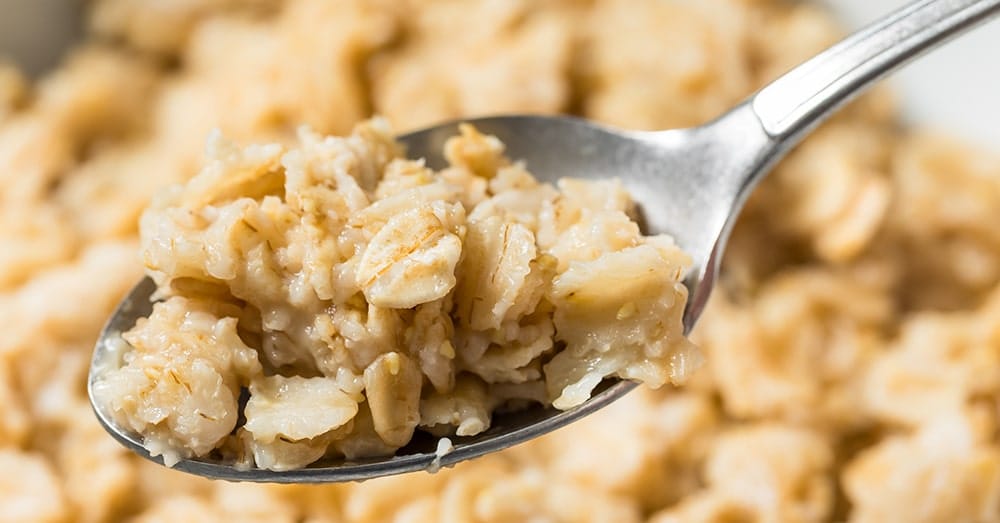
The preparation is simple: porridge in a bowl, boiling water added to the desired consistency, stir briefly and leave to stand for a few minutes. You can upgrade it with dried fruit, nuts, honey or even some milk powder if you have that.
Alternative breakfast options
There are also freeze-dried scrambled egg mixtures available, where you only need to add boiling water. These contain egg powder and often some vegetables and herbs. They’re a bit more expensive than porridge, but do offer more variety.
In addition, there are instant muesli mixtures with milk powder already included. You then only need water to make a complete breakfast. Handy if you don’t have refrigeration for fresh milk.
What should you look out for when purchasing?
If you buy meals that you can prepare with boiling water, there are a few things you need to take into account.
Shelf life and packaging
Always check the shelf life. Freeze-dried meals in tins have the longest shelf life – often 15 to 25 years. Foil pouches usually last five to ten years, depending on how they’re stored. Store them in a cool, dry and dark place to maximise shelf life.
Also pay attention to the packaging itself. Is it sturdy? Does it have a resealable opening? Some pouches can be used as an eating bowl, which is handy if you’re travelling.
Calories and nutritional value
Look at the calorie value per serving and compare that with your daily requirement. An adult needs on average 2000 to 2500 kilocalories per day, depending on activity level. If you perform heavy labour or cover long distances, you need more.
Also check the distribution of macronutrients: carbohydrates, proteins and fats. A good meal contains a mix of all three. Too many carbohydrates and too few proteins can cause you to feel hungry again quickly.
Taste and variety
Taste a few different brands and flavours before purchasing a large stock. What one person finds tasty, another may find disgusting. Taste is personal, and you don’t want to be stuck with meals you don’t like.
Also ensure variety in your stock. If you eat the same meals for weeks, it quickly becomes monotonous. Alternate different dishes and ensure you have both sweet and savoury options.
Practical tips for use
Heating water without electricity
If you don’t have access to electricity, you need alternatives to boil water. A gas burner, camping stove or even a wood-burning stove can heat water. Ensure you always have a backup method to boil water, because without boiling water these meals are useless.
There are also compact water heaters that run on batteries or use solar panels. These are handy if you’re mobile. Additionally, there are self-heating meals where a chemical reaction heats the food, but these are often more expensive and less environmentally friendly.
Hygiene and clean water
Make sure the water you use is clean. If you doubt the water quality, purify it first with a water filter or by boiling it. There’s no point in preparing a meal with contaminated water – you’ll still make yourself ill.
Also store your meals cleanly. If you’re travelling, ensure the packaging doesn’t get damaged. A tear in a foil pouch can allow moisture to penetrate and cause the food to spoil.
Adjusting portion size
Some meals are small and contain only 400 to 500 kilocalories. That may be enough if you’re not very active, but if you expend a lot of energy, you need more. You can then eat two portions or supplement the meal with extra ingredients such as nuts, energy bars or dried fruit.
On the other hand: if you’re actually less active than normal, for example because you’re in a shelter, you can manage with smaller portions. Adjust the amount of food to your actual energy requirement.
Conclusion
Meals that you can prepare with only boiling water offer a practical solution for situations where you can’t cook. They’re light, compact, long-lasting and easy to make. Whether you’re building up a stock for emergencies, planning a trek or simply want an easy meal without fuss – these options are worth considering. Do ensure variety, pay attention to nutritional value and taste different flavours before purchasing a large stock. That way you’re well prepared, whatever comes.