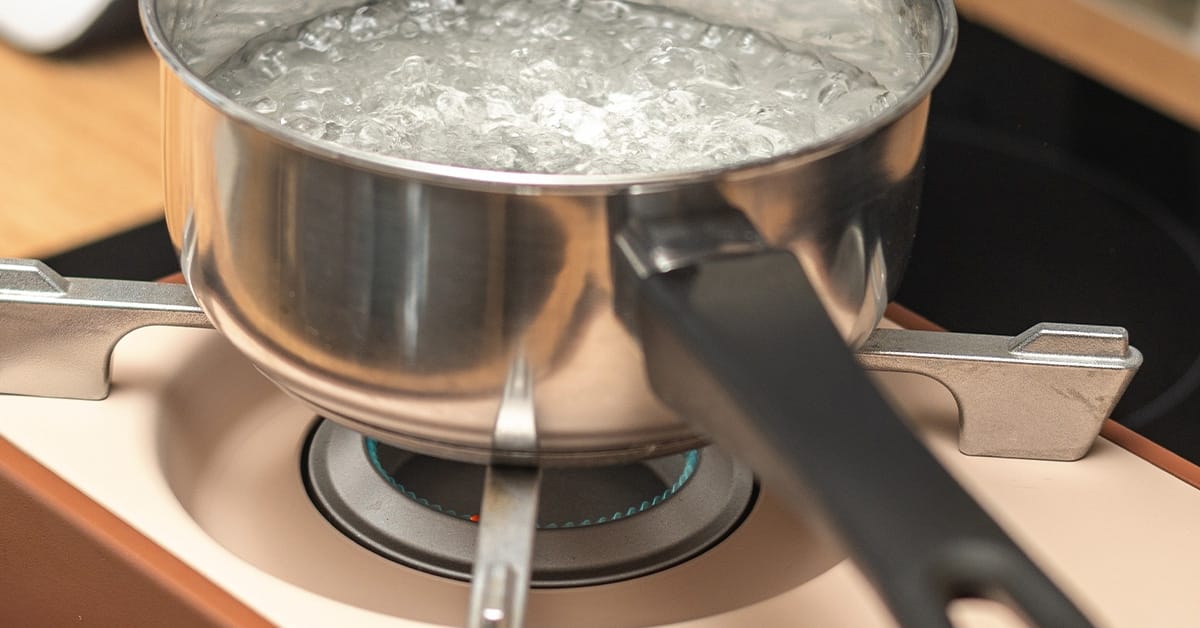
Those who think about food supplies often forget one important question: how will you prepare that food? Heating is also often taken for granted, especially during the warmer months. Yet cooking and warmth are two basic needs that are heavily dependent on energy.
This week we therefore look at how you can build up a limited, practical reserve of fuel. Not to live completely off-grid, but to be less dependent on a single energy source.
Why this is important
Most households today rely on electricity, natural gas or a combination of both. That works excellently as long as everything runs normally. But those who want to build up more resilience would do well to have alternatives at hand.
That doesn’t have to be complicated at all. A small reserve can already be sufficient to get through a few days comfortably during an outage or unexpected situation. Moreover, an extra option often provides more flexibility. Think of cooking in the garden during a warm summer evening, or an alternative heat source during a cold winter’s day.
Start with what you already have
For many people, a barbecue, camping stove or gas burner is already available. Often that equipment is only used recreationally, whilst it can also fulfil a practical function. Therefore, first look at what possibilities you already have today. Perhaps you already have more alternatives than you think. The goal is not to acquire all sorts of new systems, but to consciously map out existing resources and keep them usable.
Think about fuel
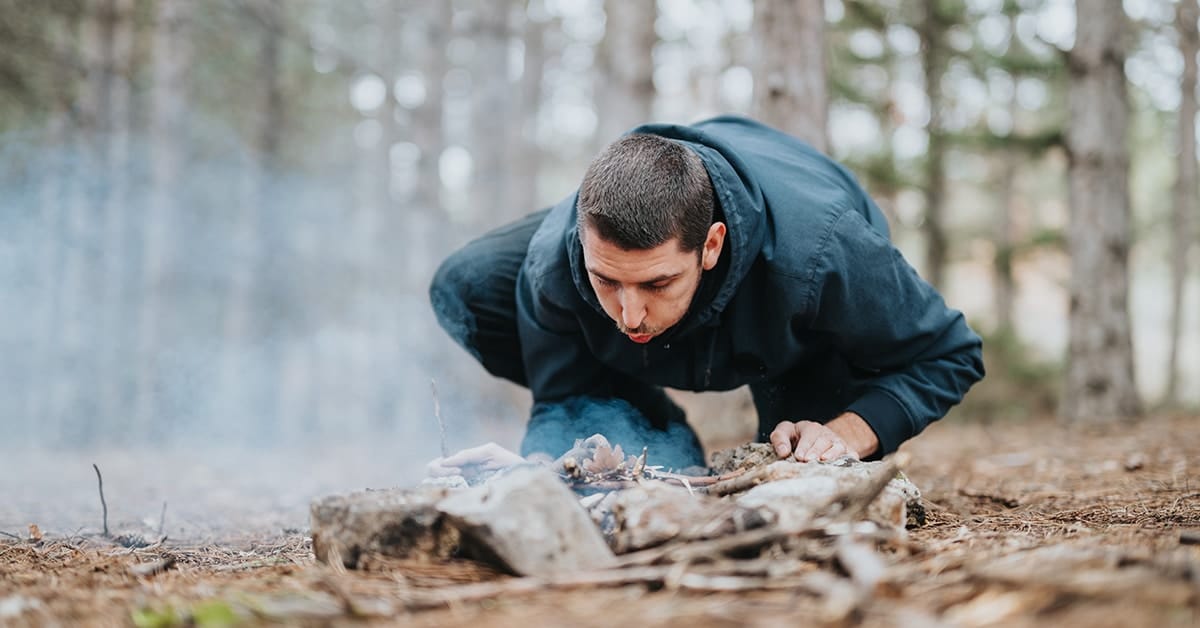
A device is only as useful as the fuel that goes with it. Do you have a gas burner? Then check how many gas bottles or cartridges you still have. Do you use a wood burner? Then it makes sense to think ahead about a dry supply of wood.
Here too, a limited reserve is often already sufficient. It’s not about enormous supplies, but about a well-considered buffer that you can call upon if necessary.
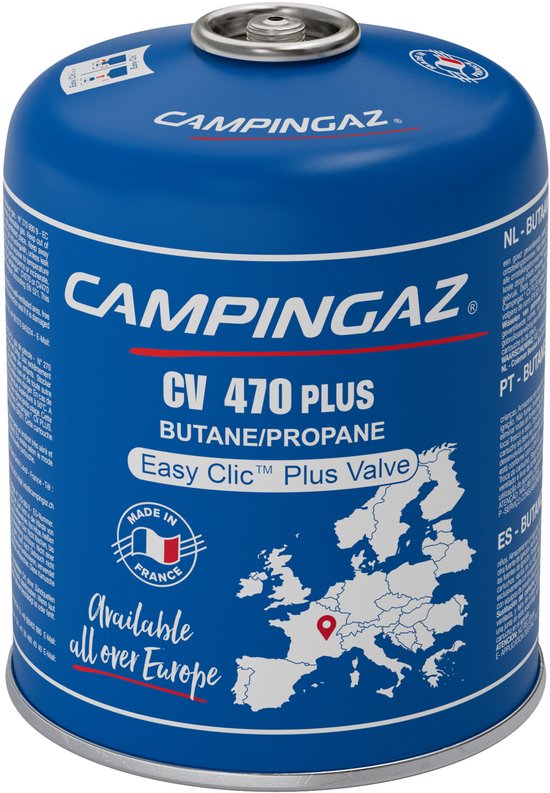
Campingaz gascartridge CV470 Plus
De Campingaz CV470 Plus gascartridge biedt een betrouwbare energiebron voor al uw buitenactiviteiten. Met een mengsel van 80% butaan en 20% propaan garandeert deze cartridge krachtige prestaties, zelfs bij lagere temperaturen. Dankzij het zelfdichtende ventiel is de cartridge veilig en eenvoudig los te koppelen, wat flexibiliteit biedt in gebruik. Ideaal voor wie voorbereid wil zijn op onverwachte situaties tijdens hun avonturen!
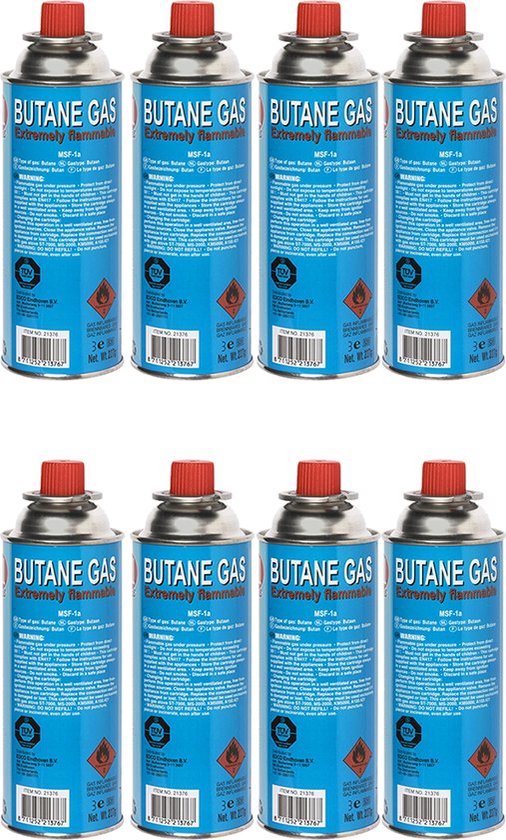
Butaan gasbussen – 8 stuks
Deze set van 8 butaan gasbussen van All Ride biedt een betrouwbare oplossing voor het gebruik van onkruidbranders en kooktoestellen. Met een inhoud van 227 gram per bus en een "klik" aansluiting, zijn ze eenvoudig te gebruiken. Deze wegwerpflesjes zijn ideaal voor wie voorbereid wil zijn op onverwachte situaties, zodat je altijd kunt rekenen op een betrouwbare vlam wanneer dat nodig is.
Storage requires attention
Fuels are best stored safely and according to regulations. That means dry where necessary, sufficiently ventilated and out of reach of children. Also take the time to check whether older supplies are still usable. Just like food, fuel also deserves a check from time to time.
A small supply that is well managed is more valuable than a large supply that no one has oversight of anymore.
What will you do concretely this week?
- Make an overview of the energy sources you use today for cooking and heating. Then look at which alternatives you already own and whether they are ready for use.
- Check your fuel supply, top up moderately if necessary and test one of your alternatives. This way you’ll immediately discover whether everything works as expected.
🪖 Self-sufficient in 52 weeks
Every week a small, achievable tip that you can apply immediately. No expensive survival gadgets or unrealistic scenarios, but practical steps with which you better prepare your family for power cuts, chaos or unexpected crises.
Follow the series and discover how in one year’s time you grow from zero to completely prepared. 52 weeks, 52 tips – and you’ll be stronger than 90% of the people around you.
Discover here all the tips!
What often goes wrong?
Many people buy equipment that then remains unused for years. When they eventually need it, it turns out that parts are missing or that fuel is no longer available.
Another common mistake is that people focus exclusively on the device and not on the fuel needed to use it. By checking and testing from time to time, you avoid these problems almost entirely.
Finally
Building up a reserve of fuel doesn’t have to be a major project. It’s mainly about consciously thinking about how your basic needs are met and what alternatives you have at hand.
Those who build up a small buffer today create more flexibility tomorrow. And as so often in this series, it’s precisely those simple preparations that make the biggest difference in the long term.