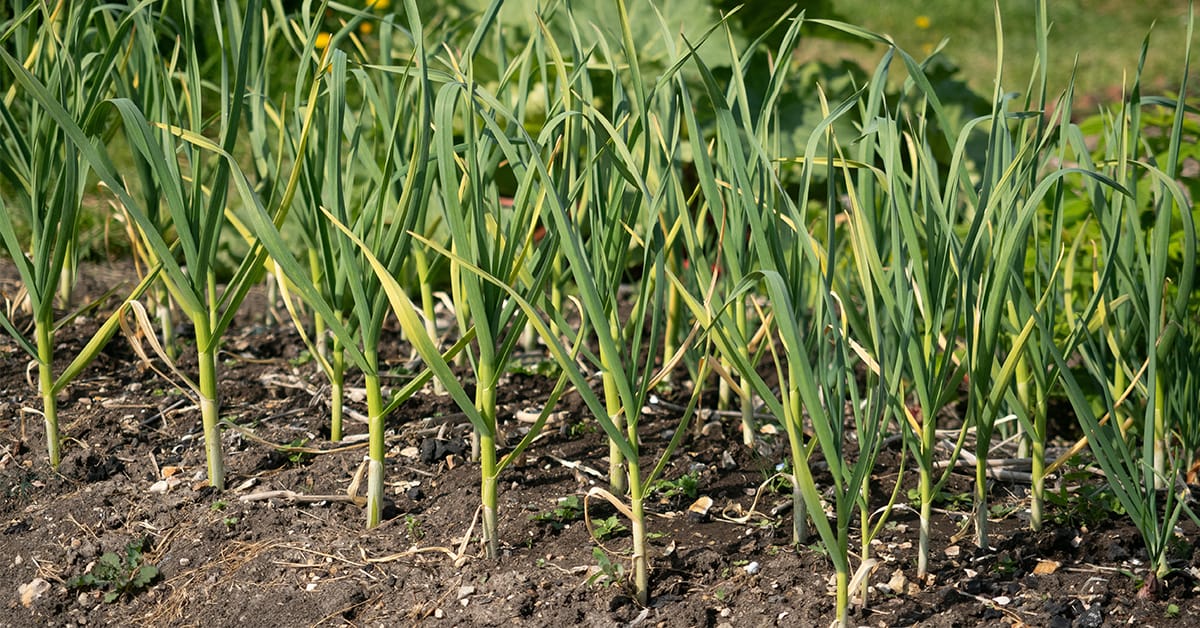
Starting a vegetable garden sounds simple. In practice, for many people it remains stuck at a few herb plants or a well-intentioned attempt that fizzles out after a few weeks. That’s not a problem if you see it as a hobby. But if you look at it from the perspective of self-sufficiency, you have to be more honest: a half vegetable garden yields nothing.
This week you can scale up your vegetable garden. From something small and non-committal, to a fully-fledged vegetable garden that effectively produces food.
Why this is important
Producing food yourself is one of the strongest forms of independence, but it only works if you produce enough to make a difference. That’s why you need to have a structured approach.
A few tomatoes in the summer are nice, but don’t solve anything. If you want a vegetable garden to contribute to your self-reliance, you have to think about volume, timing and choices. That requires a bit more effort, but above all: a different mindset.
From experiment to system
Many people start without a plan. They buy some plants, try something out and see what happens. That’s fine for learning, but it remains non-committal. What you need now is structure.
Choose a limited number of crops that are reliable and require relatively little effort. Think of potatoes, courgettes, lettuce, carrots or beans. Not exotic things, but food that effectively nourishes. Then work with a simple layout. Not everything mixed together, but clear zones. This way you maintain overview and know what works and what doesn’t.
Space is less important than you think
You don’t need a large garden to produce more. A few square metres that are used well yield more than a large garden that is half maintained. Think practically: containers, pots or a small piece of ground that you effectively monitor. Those who wait for “the perfect space” usually never start.
What will you concretely do this week?
Expand what you already have, or start small but purposefully. Choose two to three crops that you will effectively grow. Not ten different things, but a limited focus. Make sure you know when to sow or plant, and do so as well.
Provide a fixed spot and make it easy for yourself to check it daily. Five minutes a day is often enough, as long as you do it consistently.
Where things often go wrong
The biggest mistake is wanting too much at once. Enthusiasm causes people to try everything, and give up after a few weeks because it becomes too much. Additionally, many people underestimate the importance of monitoring. Watering, checking for problems and harvesting in time are not details, but the core of the process. Here too: simplicity works better than ambition without execution.
The reality
A vegetable garden requires time and attention. Not an extreme amount, but regularly. It’s not a “set and forget” system.
On the other hand, you’re building something that gets better each year. You learn what works in your situation, which plants do well and where you need to adjust. That’s real progress.
In conclusion
Those who want to produce food must stop seeing it as a little project. It’s a skill that you build up. Start small, but take it seriously. Because a vegetable garden that effectively yields something is not a luxury. It’s one of the most concrete steps towards truly being self-sufficient.