Why preparation has nothing to do with panic
Smart families aren’t doomsday thinkers. They don’t wait for disaster scenarios, but they have thought about what happens when the ordinary falls away. Shops closed. Power out. Water problem. Nothing spectacular, but realistic. They often keep emergency supplies for their family at home.
The difference isn’t in fear, but in preparation. And you can see that in what they keep at home as standard. I notice myself that peace begins with small certainty: knowing that you won’t immediately be stuck if something unexpected happens. That doesn’t require a bunker or years of planning. It only requires that you think one step further than tomorrow.
Below you’ll find practical things that many thoughtful households simply have ready. Not to survive, but to buy time and maintain peace.
A simple solution for water
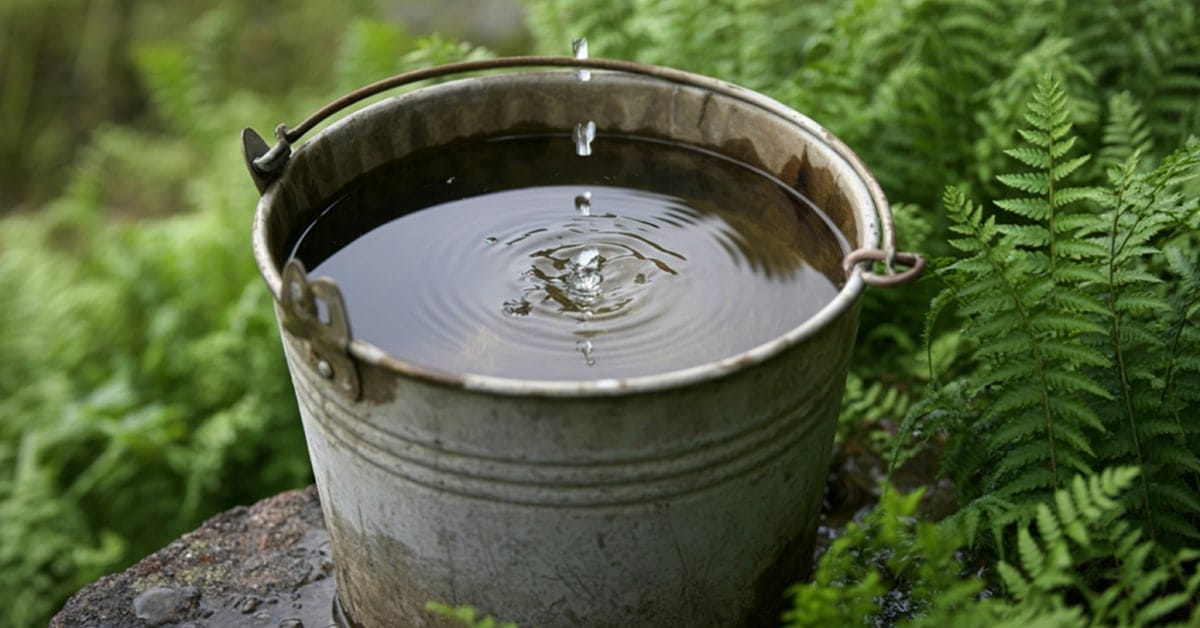
No pallet of bottles, no cellar full of containers. Smart families have one reliable way to make water usable when needed.
🧷 READ HERE. This much drinking water you really need
Filter, jerry can or storage
That’s usually a water filter bottle, a gravity filter or a decent jerry can with tap. Not to survive for weeks, but to buy time. Water stress is unnecessary if you think about this in advance.
A simple system like a LifeStraw filter or a Sawyer Mini fits in any cupboard and works without electricity. If you combine that with a supply of ten litres in a stable container, you already have a foundation that keeps you reassured if the tap unexpectedly runs dry.
Why this works
Buying water during a crisis can become difficult, because shops quickly sell out or because you have to stay indoors.
Food that lasts longer than the weekend
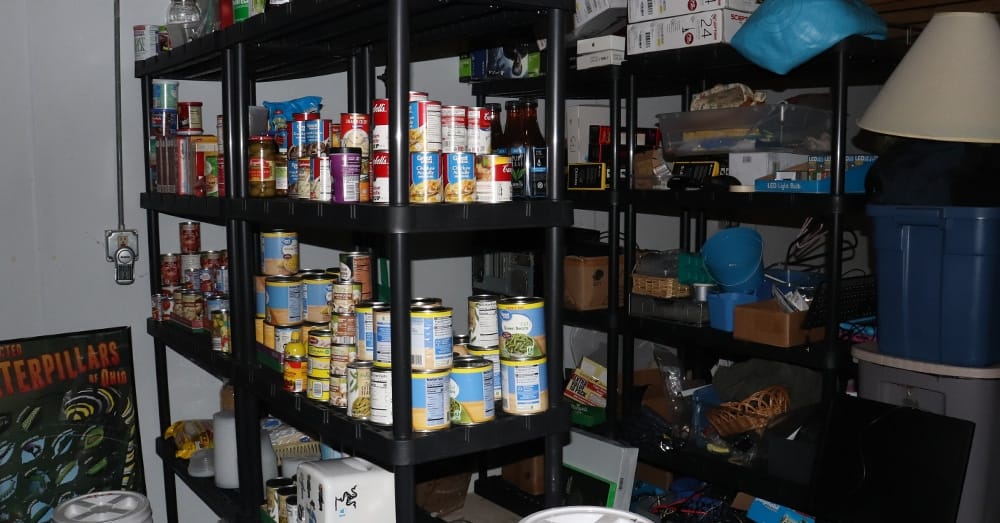
Smart families don’t have emergency rations, but they do have a supply of what they eat anyway. Rice, pasta, beans, lentils, oats, tinned soup. Things that keep for months and need no explanation.
Simply buy a bit more
They simply buy a bit more than strictly necessary. That’s not hoarding, that’s planning. An extra bag of rice, two more tins of tomato soup, a packet of lentils that you’ll eat in six months anyway. Rotating system: oldest first, newest at the back.
This way you build up a buffer of two to three weeks without effort. That doesn’t require financial strain, only conscious purchases.
Don’t forget herbs and flavourings
Dried food is practical, but taste makes the difference. Stock cubes, salt, pepper, tomato purée in a tube – these are small things that keep a meal edible, even when circumstances are less than ideal.
🧷 READ. 5 meals for which you only need boiling water
An alternative for cooking
Hot food changes everything. Especially with children.
If the cooker fails or the power goes out, many people are immediately stuck. Smart families have at least one alternative: a camping gas burner, a small cooking stove or even a barbecue that’s also used functionally.
Not bushcraft, just being able to cook
No making fire with a stick. Just being able to cook, full stop. A gas cylinder with burner is cheap, simple and safe. Brands like Campingaz or Primus are reliable and do what you expect.
Those with a garden can also use a charcoal barbecue to heat water or warm up soup. That doesn’t require special knowledge, only that you’ve tried it once.
Fuel and safety
Make sure you have a spare gas cartridge at home. One cartridge easily lasts a week if you only prepare main meals. And set simple rules: cook outside or with adequate ventilation. Gas build-up is dangerous.
Light that always works
Candles are cosy, but impractical and not ideal with children.
Smart families choose reliable lighting. Head torches, LED lamps on batteries or rechargeable torches. Light that you can direct, move and use safely.
Practical and focused
Always knowing where you are, what you’re doing and what’s happening around you, brings peace. In the evening too. A head torch leaves your hands free, an LED lantern illuminates an entire room without fire hazard.
Brands like Petzl, Ledlenser or Varta are decent and not expensive. Rechargeable models save batteries in the long term, but always make sure you also have spare batteries on hand for when you can’t recharge.
Multiple light sources
One torch isn’t enough. Think of at least one light source per person, plus one for general use. That way everyone can move about without fumbling in the dark.
Power for communication
Not for scrolling, but to remain reachable.
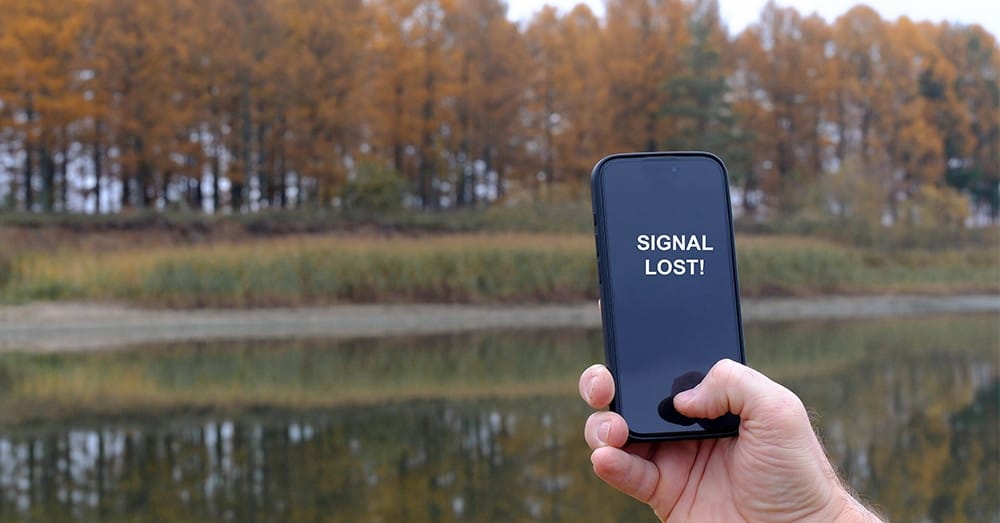
A smartphone without battery is mainly frustrating. Smart families ensure that their communication keeps working, even without a socket.
Power bank, car charger or solar solution
A decent power bank, a car charger or a simple solar solution suffices. No high-tech, just certainty. An Anker power bank of 20,000 mAh charges a phone four to five times. That’s enough for a week of economical use.
A 20-watt solar panel with USB output doesn’t cost a fortune and works even in cloudy weather, albeit more slowly. If you combine this with a power bank, you have a system that lasts a long time.
Why this is a priority
In crisis situations, information is crucial. Knowing what’s going on, being able to reach emergency services, keeping in touch with family – that’s impossible without a working phone. So invest in reliability here, not in the cheapest solution.
🧷 5 excellent power banks for outdoor use
First aid that you use effectively
Not a dusty box at the back of the cupboard.
Smart families have a first aid kit that’s current and that they know. Plasters, disinfectant, painkillers, thermometer, possibly a thermal blanket. No more is needed.
Knowledge and supplies
More important than what’s in it, is that everyone knows where it is. Check the contents annually: bandages that are outdated lose their sterility. Painkillers like paracetamol and ibuprofen keep for a long time, but check the date.
A thermal blanket takes up hardly any space, but can be life-saving in case of hypothermia or shock. Disinfectant, sterile gauze, tape and a tourniquet also belong in a decent kit.
Acquire basic knowledge
You don’t need to be a doctor, but taking a basic first aid course is useful. You learn to treat cuts, apply bandages and recognise signs of serious injury. That makes the difference between panic and decisiveness.
🧷 Read here everything you need to know about first aid
No preparation, just peace of mind
What’s striking is this: smart families don’t feel “prepared”. They feel calm. They don’t need to improvise. They don’t need to rush to the shop. They know the basics are sorted. That doesn’t make you a doomsday thinker. That makes you someone who thinks ahead.
You don’t need to spend large amounts on this. You don’t need to be a specialist either. You do have a choice: wait and hope it’s never needed, or sort out a few simple things and know that, if needed, you’ll gain time and peace.