
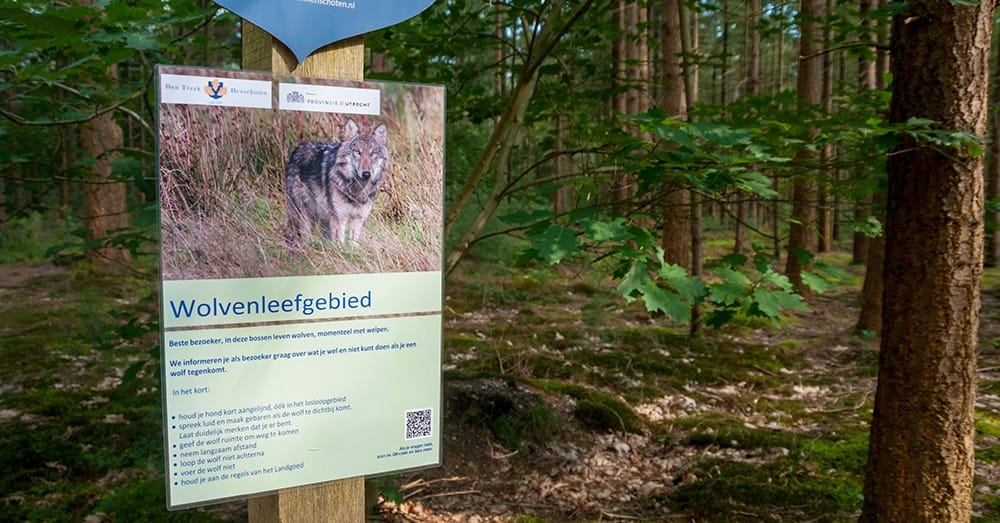
The return of the wolf in the Low Countries not only ensures that nature and biodiversity are strengthened. Farmers, but also ordinary walkers, have already experienced damage and attacks by the predators. In 2024, 897 damage reports were reported in the Netherlands, nearly double the number in 2023.
In Flanders, the situation is different. Last year, not a single wolf pup was born in Flanders and currently only about three wolves are thought to live in the region. This low population stands in stark contrast to the Netherlands, where 55 pups were born this year. In Wallonia, there are about 30, mainly near the High Fens.
For centuries, the wolf was a common, native species in Belgium and the Netherlands. By the mid-19th century, the species had been eradicated, mainly due to extensive hunting to protect livestock. The wolf is now a protected species throughout Europe and is once again common in countries such as France and Germany. In the Netherlands and Belgium too, the wolf is making a comeback. But in such a densely populated area, this advance also leads to confrontations with humans.
Incidents with people
Utrecht problem wolf
On 30 July 2025, a 6-year-old child was possibly attacked by a wolf in the Utrecht woods. The victim was taken to hospital with nail, bite and abrasion wounds. “Through the prompt action of the adults present who hit the wolf with a stick, the wolf released the child in the woods and ran away”, reports the nature reserve manager.
The province of Utrecht is launching an investigation to determine whether it was a wolf bite. The local authorities are advising against visiting the Utrecht woods with children for the time being. It is not the first time that such incidents have occurred there:
- On 31 July 2024, a child fell. DNA testing proved that a wolf was involved.
- On 16 July 2024, a child who was on a trip with a day nursery was briefly bitten by a wolf. This was shown by DNA testing.
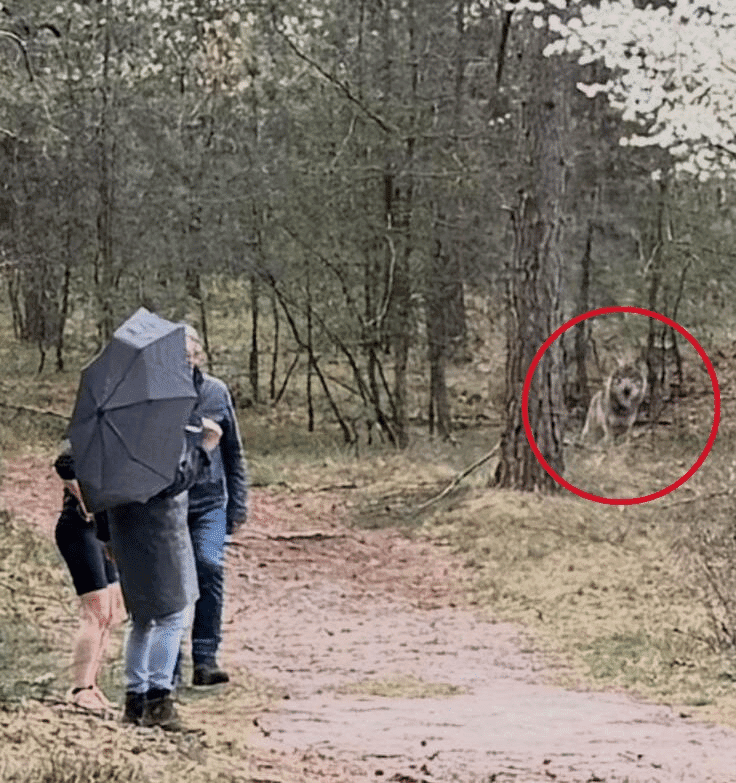
Research shows that it is the same wolf each time, known as GW3237m, or Bram. This wolf is said to display unnatural behaviour by regularly seeking contact with dogs and by approaching and attacking people. The province of Utrecht has formally given permission to the Utrecht Wildlife Management Unit to destroy the wolf.
Hoge Veluwe attack
In May 2025, a female runner was bitten by a wolf in the Hoge Veluwe National Park. A walker was able to chase the wolf away with his walking stick.
🔎 Discover also!
Danger for farmers and livestock
Various animals
In 2023, a farmer from Drenthe was bitten whilst trying to protect his livestock from a wolf attack. In 2024, BIJ12 registered no fewer than 897 damage reports by wolves, of which 795 involving livestock – nearly double the 511 reports in 2023. Even more distressing are the absolute numbers: in the damage year 2024 (1 November 2023 to 31 October 2024), 2,293 animals were killed by wolves, whilst a further 250 animals went missing.
The vast majority of victims (91.3%) are sheep. In second and third place are cattle (3.8%) and (mini) horses/ponies (2.4%). Most damage reports where wolf was confirmed (37.2%) took place in the winter months (December, January, February). The fewest reports (16.4%) came in during the summer. This increase in winter has a logical explanation: the increase in attacks on farm animals in late summer can be explained by the fact that a pack, due to their growing young, has a greater food requirement.
Financial consequences
The economic impact is considerable. In the first six months of 2024, the provinces already paid approximately 100,000 euros more in compensation to farmers than in the same period last year. This year, the provinces have so far paid out nearly 400,000 euros in compensation to farmers, almost as much as in the whole of 2023.
How to protect yourself against wolves
Encountering wolves whilst walking
Most wolves are shy and avoid people. A wolf remains a wild animal and can therefore react variably when it sees a human. The official guidelines are:
- Stay calm and keep your distance
- Is the wolf getting too close? Then talk loudly and make gestures
- Walk slowly backwards when you want to take more distance. This way you can also keep a close eye on the wolf
- Never run away – this can activate the wolf’s hunting instinct
The province of Utrecht also advises taking a whistle with you if you are going cycling or walking in the woods. “A wolf will be startled by this and will leave you alone”, the website states.
Watch out with dogs!
Wolves – normally – do not see humans as prey or as competitors. With dogs, it is different: in the eyes of wolves, they can be seen as competing predators. Therefore, additional precautionary measures apply to dog owners. The advice is to keep dogs on a lead of no more than 10 metres in wolf areas and to keep them with their people.
Walking with children
The recent incidents show that extra caution is required with children. In areas where problematic behaviour has been identified, it is advised to:
- Avoid walks at dusk and in the dark
- Stay on marked paths
- Walk preferably in groups
- Keep small children close by
Wolf-deterrent measures in agriculture
Wire fences
A wire fence with electric wires is a very effective method to keep wolves away from a plot, provided it is properly placed and meets the standards. However, practice shows a different picture: in 95 per cent of wolf attacks, the animals were not or not properly protected.
Even when wolf-deterrent measures have been taken, they offer no absolute guarantee. For example, in Ede at the end of July, more than forty sheep were bitten to death, whilst the fences had been checked by the municipality the day before. Also in March 2024, 22 sheep in Fochteloo in Friesland fell victim to a wolf attack, despite wolf-deterrent measures.
What does the future hold?
In the Netherlands, there are now eleven wolf packs, one solitary female wolf and several roaming wolves. However, the growth in the number of packs appears to be levelling off, as the best areas are becoming occupied.
Experts expect wolves to expand into more fragmented areas with less wildlife. This potentially means more contact with people in the future. The challenge is to find the balance between nature conservation and human safety.