
A growing trend
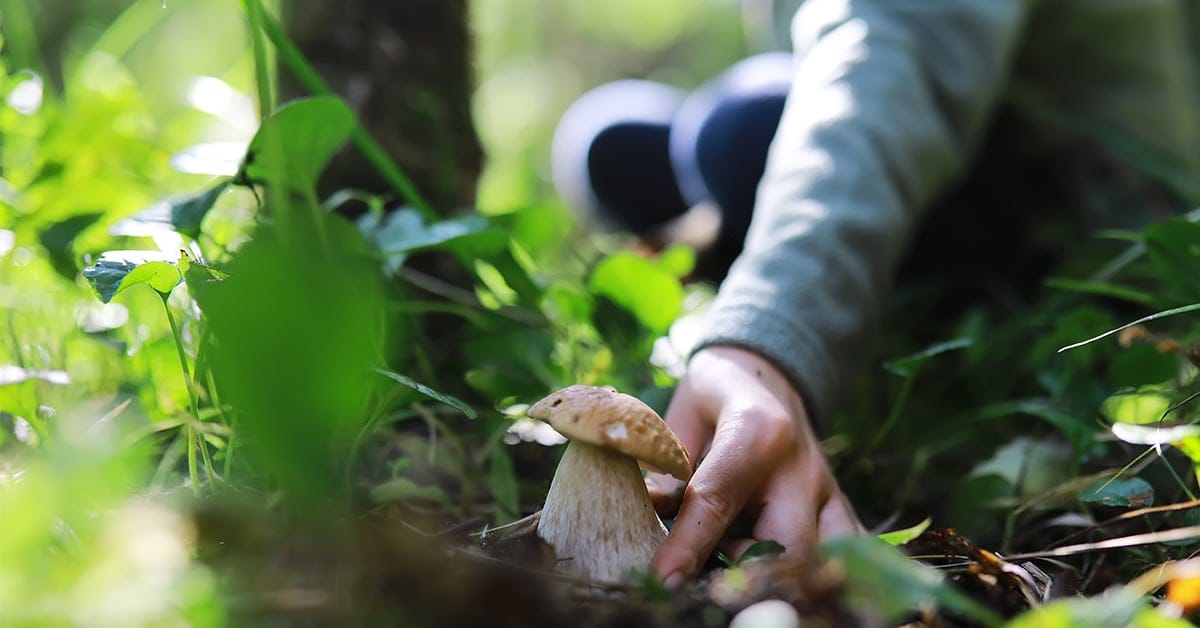
Interest in foraging is increasing considerably. More and more people are setting out with baskets and scissors to gather blackberries, mushrooms, herbs and other edible treasures from nature. Cookery courses featuring wild plants are fully booked in no time, and countless photos of fresh forest finds appear on social media.
However, this popularity also has a downside. Forest rangers are finding that the food abundance in forests is increasingly not being respected. If too much is picked, nature pays the price. Foragers also risk fines, which in some places can range from hundreds to thousands of euros.
In this article we discuss what foraging is, which legal rules exist and which health risks you must certainly watch out for. You must of course know exactly what you’re picking to avoid poisoning.
What does the law say about foraging?
Forbidden or tolerated?
In the Netherlands and Belgium foraging is officially forbidden and legally falls under ‘poaching’ – unless stated otherwise locally. After all, you are not on your own land, but on government or private property. Picking without permission is considered theft of someone else’s goods. In practice, small-scale picking for personal use is often overlooked, but there are certainly limits.
This is what you need to know about foraging
- There are stricter rules or restrictions for picking in nature reserves and protected zones in Belgium.
- Some plant species are legally protected; it is forbidden to pick, transplant, damage or destroy them.
- In Flanders, the general duty of care and nature legislation applies: you must take into account area-specific protections and permits.
How much are you allowed to take?
The Dutch Staatsbosbeheer (State Forestry Service) uses a guideline quantity of approximately 250 grammes – the size of a mushroom punnet from the supermarket. This rule applies to both blackberries and mushrooms. Anything above that is seen as large-scale or commercial picking and can be considered theft and damage to the terrain.
The fines can be substantial. For violations you risk fines from 120 euros up to a maximum of 4,100 euros, plus possibly a court case. Recently in the municipality of Heuvelrug, more than 35 kilos of mushrooms were confiscated during an operation. Some foragers had even collected 3.5 kilos of fly agaric – a hallucinogenic mushroom that is considered a drug under the Dutch Opium Act.
Where must you absolutely not forage?
In protected nature reserves, foraging is completely forbidden. Organisations such as Natuurmonumenten do not permit any form of foraging in their areas. Even with Staatsbosbeheer there are various areas where picking is not allowed. So always check in advance with the landowner or manager what the rules are.
Private land is of course also forbidden territory, unless you have express permission from the owner.
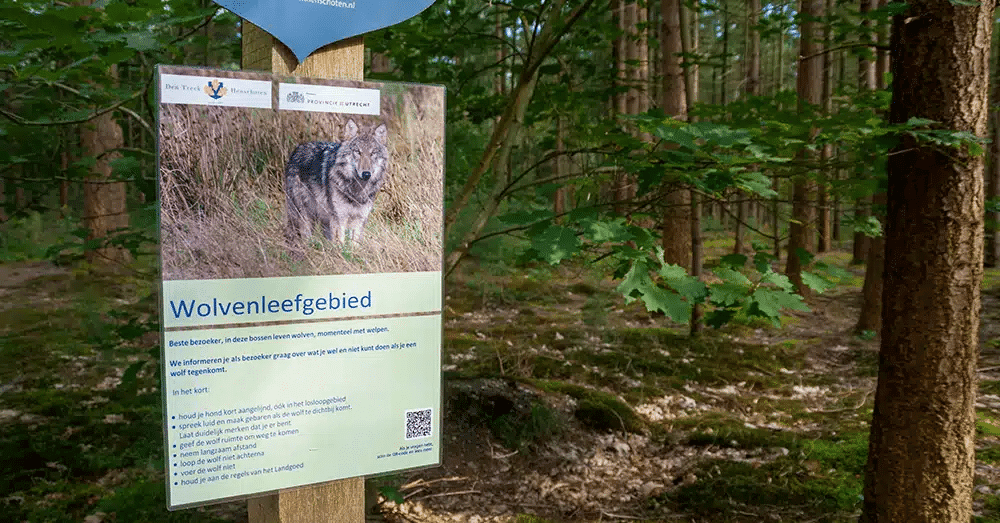
What should you watch out for regarding your safety?
Pollution and pesticides
Pay close attention to where you forage. Plants along busy roads are often polluted by exhaust fumes. Near fields, especially potato and maize fields, substantial quantities of pesticides are used which also end up on wild plants in the verge. Ironically, foraging in the city is often safer than in the countryside.
Also check whether there is historical soil contamination with heavy metals. Old rubbish tips or industrial sites may look green and natural, but the soil can be heavily contaminated.
Dogs and other animals
Areas where many dogs are walked are not suitable foraging locations. Dog faeces and urine can not only be unpleasant, but also contain parasites and bacteria. Here too the rule applies: pick at a minimum height of 80 centimetres from the ground.
🦊 Beware of fox tapeworm
The chance of it happening to you is small, but you can become infected by the fox tapeworm if you ingest eggs from foxes that have become infected with fox tapeworm. Therefore be careful with foraging at low height. Fox tapeworm can cause serious liver damage in humans.
What can you eat from nature?
Safe choices for beginners
Blackberries
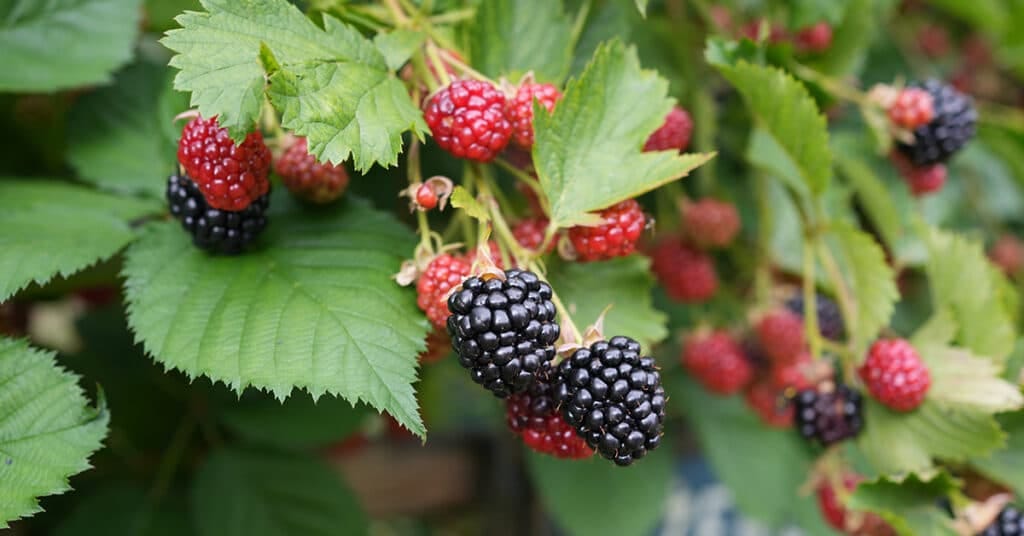
Blackberries or brambles are by far the most picked. These dark fruits grow on rampant thorny bushes and are difficult to confuse with other species. They are rich in antioxidants, vitamin C and K. Pick them from August to October, but watch out for the thorns and wasps that are also fond of blackberries.
Stinging nettle
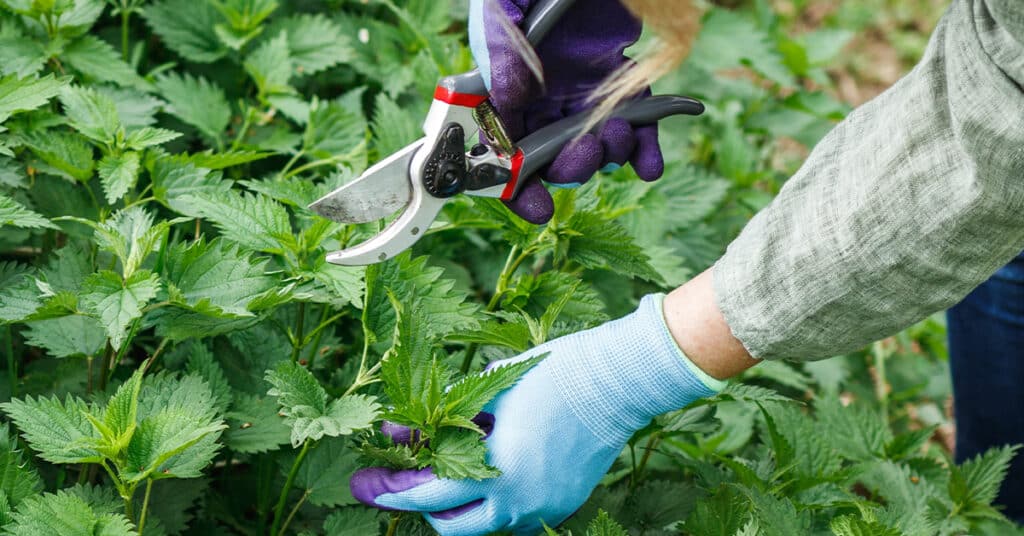
Another reliable choice, although the name sounds rather off-putting. Young leaves and tops are packed with vitamins and minerals – iron, vitamin A, C, calcium and much more. Pick only the top 6-8 leaves, as these are the youngest and most nutritious. The stinging hairs become harmless through cooking or drying. Use them in soup, as tea, or prepare them like spinach.
📍Tip: wear protective gloves whilst picking. If you don’t have gloves, you can grasp the stem from below and pull off the tops, as the hairs grow at an angle upwards.
Hazelnuts
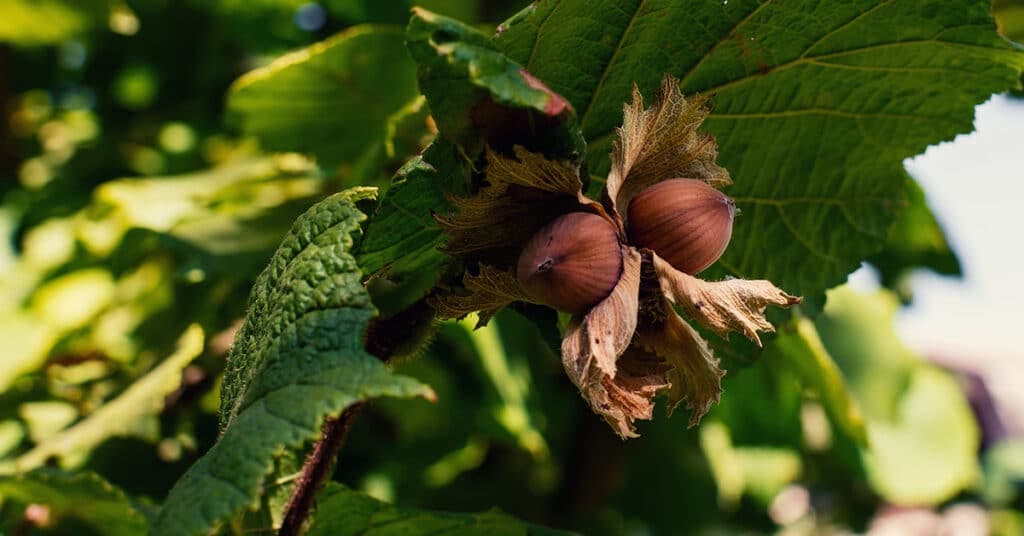
These nuts grow on the hazel, a large shrub that you mainly find at forest edges and in hedges. The hazelnuts are recognisable by their light brown colour and the green ‘jacket’ around them. They are ripe from September to October.
Sweet chestnuts
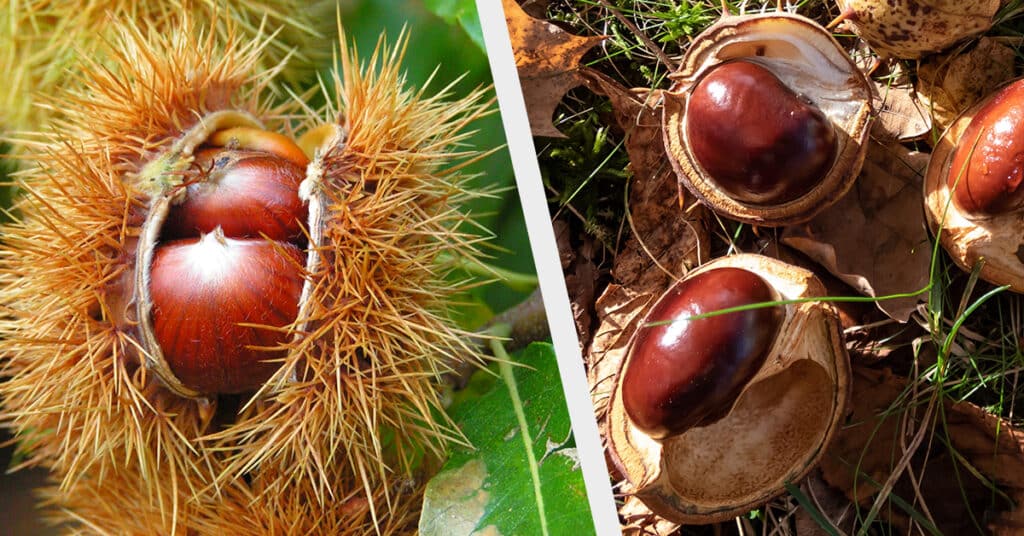
Edible, unlike horse chestnuts. You recognise them by their spiky shell. Roast or boil them before use. They are delicious in soup or as a simple snack.
Elderberry
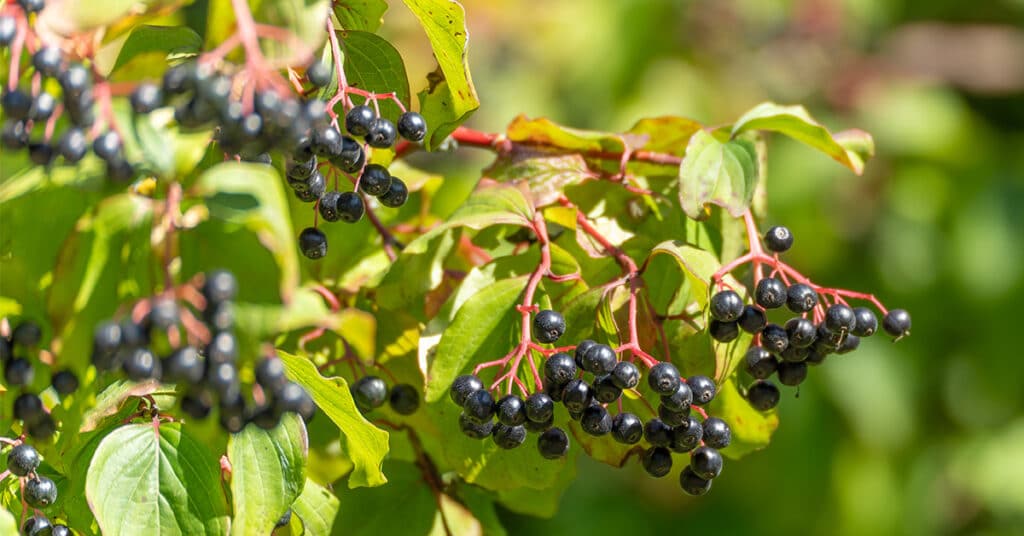
This berry on the elder shrub, which you recognise by its white flowers in spring. Elderberries are suitable for syrup and juice, but must never be eaten raw – they are poisonous if not cooked. Eat only fully ripe, deep purple to black berries and remove the stalks and pips – discover some recipes here.
Versatile wild plants
Ground elder
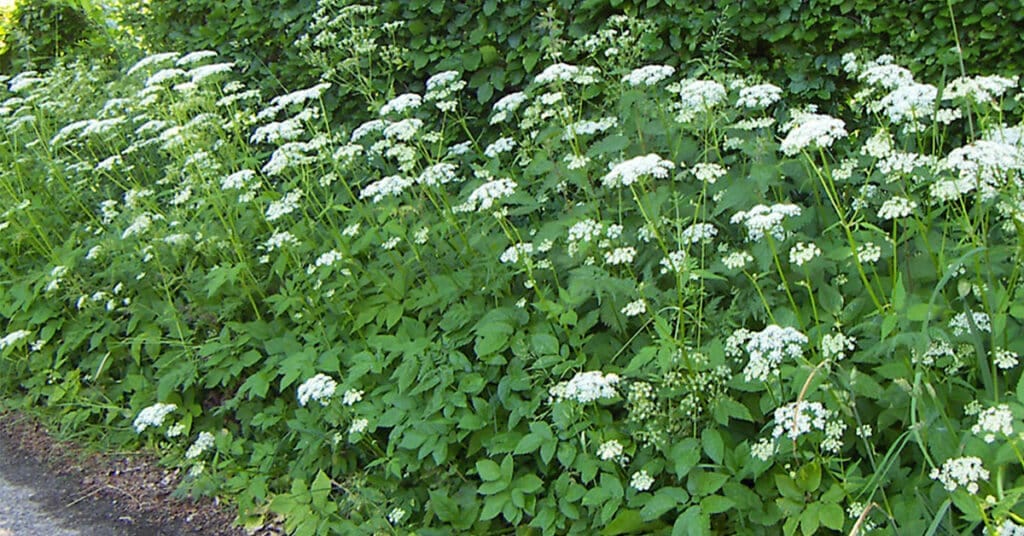
It is regarded by many gardeners as rampant weed, but is perfectly edible. The taste is reminiscent of parsley. The name comes from the lower leaves which are composed of seven leaflets. Use ground elder in salad, pesto or as herbs with various dishes.
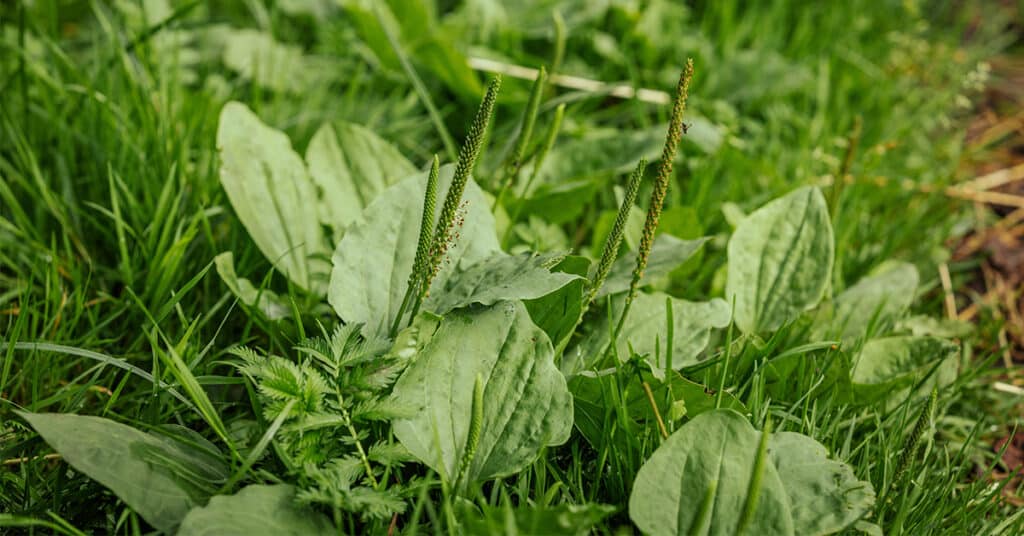
Plantain
You often find this plant in grassland. Young leaves can go raw through salads, older leaves are tougher but still usable. A useful additional benefit: crushed plantain leaves help against nettle itch.
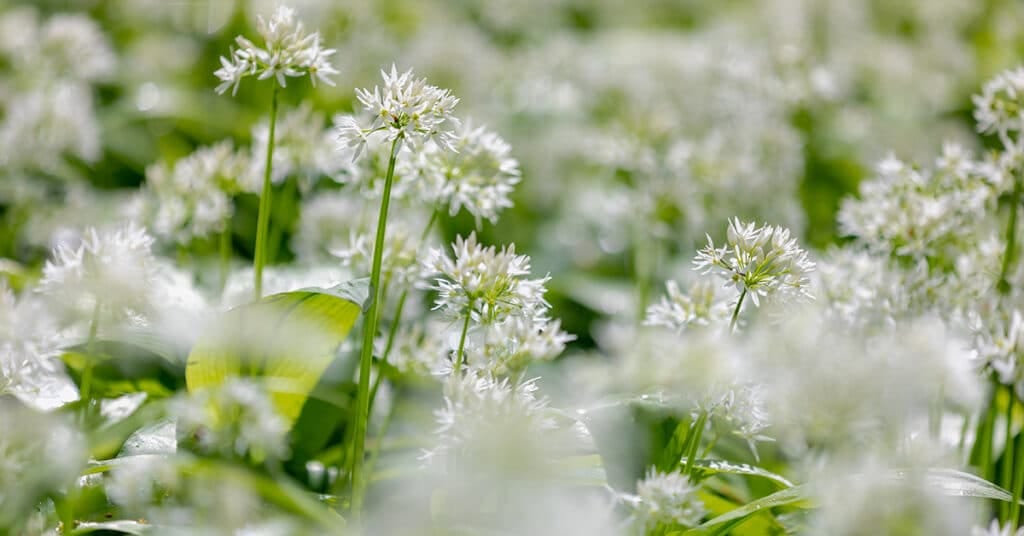
Wild garlic
Wild garlic flowers in spring with striking white flowers. The taste is comparable to garlic, but milder. You find it mainly in damp deciduous woods, often in groups.
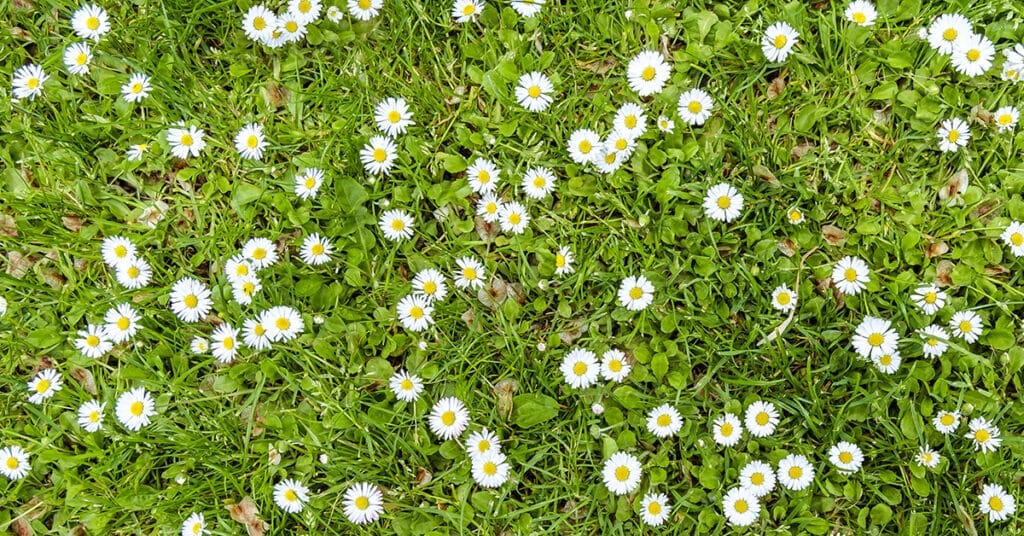
Daisies
These flowers are not only decorative, but also edible. You can pickle the closed flower buds as a substitute for capers. The daisies themselves are slightly bitter but suitable for salads.
Mushrooms: knowledge is vital
The risks of picking mushrooms
Mushrooms are without doubt the riskiest part of foraging. There are approximately 400 species in the Netherlands and Belgium, and many poisonous varieties look deceptively similar to edible species. There are various apps and websites where you can find which mushrooms are safe to eat and which are not. AI apps are unfortunately not yet fully reliable – therefore we recommend using a specialised website or a book.
Practical dos for responsible foraging
Respect for nature
The most important principle when foraging is respect. Nature is primarily a larder for animals. If you pick all the blackberries, then birds have nothing left to eat. If you take all the mushrooms, they may not return to that location next year, and then squirrels, mice and beetles have a problem.
Enforcement is necessary. Forest rangers see too often people leaving the forest with buckets full of food. In a small country like the Netherlands, that ecosystem simply cannot cope.
The fairy rule and other guidelines
Use the “elf rule”: pick a maximum of one in eleven plants or flowers. One for you, ten for other living creatures. Only pick the tops of plants, no more, so that the plant can continue to grow.
Stay on the paths. Don’t go through the undergrowth to get to that one beautiful mushroom. You will then trample other plants and disturb the peace of wild animals.
Preferably pick in the morning, that is the least taxing for plants. Avoid picking in full sun – plants then struggle to recover.
Know your plants
Only pick what you know for certain. When in doubt: leave it. There are plenty of books, but be careful: many books and information on the internet are also incorrect. Join a foraging walk to learn which species are edible under guidance.
Never pick protected plant species. Quite a lot of wild plants are protected by law because they are scarce and vulnerable. You may not pick any part of these species.
📖 Reading tip: in this book you’ll learn everything about foraging
Hygiene and preparation
Always wash everything you’ve picked thoroughly, even if you’ve picked at high altitude. Cook or heat everything from risk areas for fox tapeworm. Store your finds in a breathable basket or bag, not plastic bags. Mushrooms and fruits rot quickly in plastic.
Alternatives for the novice forager
Your own garden
The ideal place to start foraging is your own garden. Here you have complete control over what happens, whether anything has been sprayed, and what the soil is like. Let parts of the garden go wild or plant nettles, ground elder, elder and other useful species yourself.
Don’t have a garden? Ask family or friends if you can regularly pick at their place. Or grow wild plants in pots on your balcony.
Pick-your-own gardens and organic farms
More and more pick-your-own gardens are being created where you can pick for a fee. Here you know for certain that it’s allowed and that the soil is clean. At organic farms you can often also go, and there you know that no pesticides have been used.
Foraging in the Netherlands
Do you live in Belgium and still want to forage in forests? Then go to the Netherlands, where Staatsbosbeheer tolerates filling one mushroom punnet (250 grams). Note: only non-protected species, and only for personal use.
What to do in case of poisoning?
Do you suspect that you or someone else has eaten a poisonous mushroom or plant? Then immediately call the emergency number of your GP (in the Netherlands) or the Poison Centre on number 070 245 245 (in Belgium).
Take the mushrooms or plants that have been prepared with you, or take photos of them. This helps with identifying the cause and the correct treatment. Don’t wait for symptoms to appear – with some poisonings, speed can make the difference between life and death.
Conclusion
Foraging can be an enriching activity that brings you closer to nature and makes you more aware of what grows in the seasons. But it requires knowledge, respect and caution. Pick on a small scale, only what you know for certain, and only in places where it’s allowed. Always leave enough for the animals that depend on this abundance of food. And realise that nature is not a supermarket where you can cut around unlimited – in a densely populated country with little nature, we must be careful with what remains.