
What winter can mean for your self-reliance
Winter tests your preparation harder than any other season. Temperatures below zero, snowfall blocking roads, your heating giving up… These aren’t exceptions but annual reality. Yet many people treat winter preparation as something that takes care of itself, until they’re in the thick of problems.
The vulnerability lies in dependence. In winter we rely on central heating boilers that keep running, on supermarkets that remain accessible and on emergency services that arrive quickly. But systems fail. Pipes freeze or roads become impassable. In such moments it’s not your comfort but your preparation that determines how you get through it.
This article covers three areas that determine how well you get through the winter months: your home, your supplies, and your car. Each requires specific attention and concrete steps.
Preparing your home for freezing weather
Checking heating systems
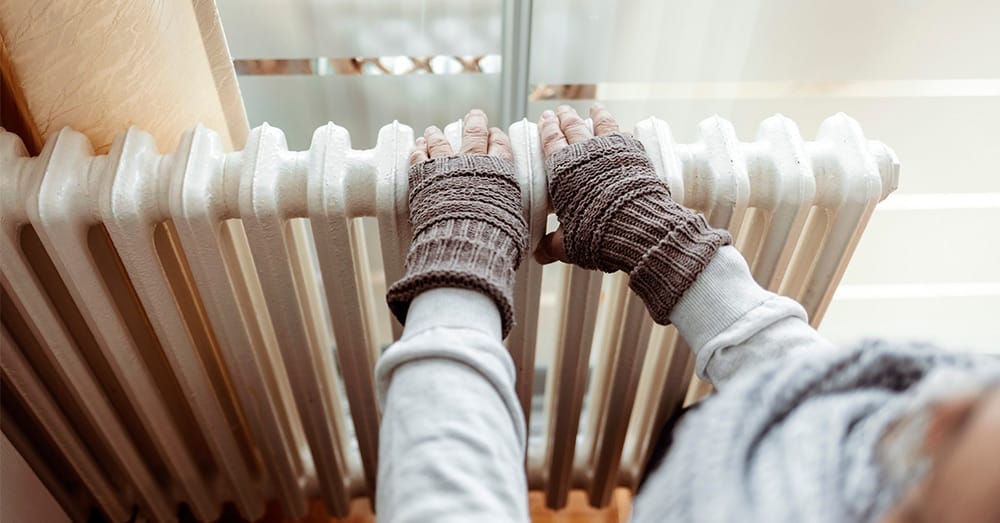
Start with your central heating boiler. Have it checked by a professional before the first frost arrives. Don’t wait until December – by then fitters have weeks-long waiting lists. Check whether all radiators heat up completely. One radiator that stays half-warm can indicate problems that may spread.
💨 Also ensure the air is bled from your radiators!
Waterfall sounds or gurgling in the radiators usually means there are air bubbles in your central heating system. This prevents your heating from warming up properly and is very energy-wasteful. The video below shows how to easily remove air from the radiator.
Do you have a wood burner? Then you need dry wood – at least two cubic metres, preferably three. Wet or recently cut wood burns poorly and causes soot build-up. Have your chimney swept. A chimney fire isn’t a theoretical risk but a real possibility with neglect.
Pellet stoves require dry storage of pellets. Moisture makes them unusable. Calculate your consumption and order well in advance – prices rise as soon as the cold sets in.
Addressing insulation and heat loss
Walk through your home and feel where cold air enters. Window frames, doors, letterboxes – small openings cause major heat loss. Draught strips cost little and deliver immediate results. With older windows, insulation film helps, though it doesn’t look attractive.
Your loft insulation determines how much heat you retain. Heat rises. An uninsulated loft means you’re heating the outside air. Check the thickness of your insulation material – less than ten centimetres is insufficient according to modern standards.
Many people overlook crawl spaces. Yet frozen pipes there can cause major damage and costs. Insulate pipes with foam rubber or special tape against freezing.
Arranging emergency heating
Suppose your central heating system fails. Or the electricity. What then? A paraffin heater can warm a living room without electricity. Make sure you know how it works and test it now. Keep sufficient paraffin in stock – at least thirty litres for two weeks.
Gas heaters on cylinders are an alternative, but require ventilation. You can’t see carbon monoxide, can’t smell it, but it does kill. Only use appliances suitable for indoors and keep a window slightly open.
A wood burner offers the most independence, but requires maintenance and wood supplies. If you have one, use it regularly – even a stove that’s been idle for months can give surprises when you suddenly need it.
Supplies to help you through winter
Water as a basis
Pipes freeze. Pumps fail during power cuts. Count on three litres per person per day for drinking and cooking, and another two litres for hygiene. For a family of four this means sixty litres for three days, one hundred and twenty for a week.
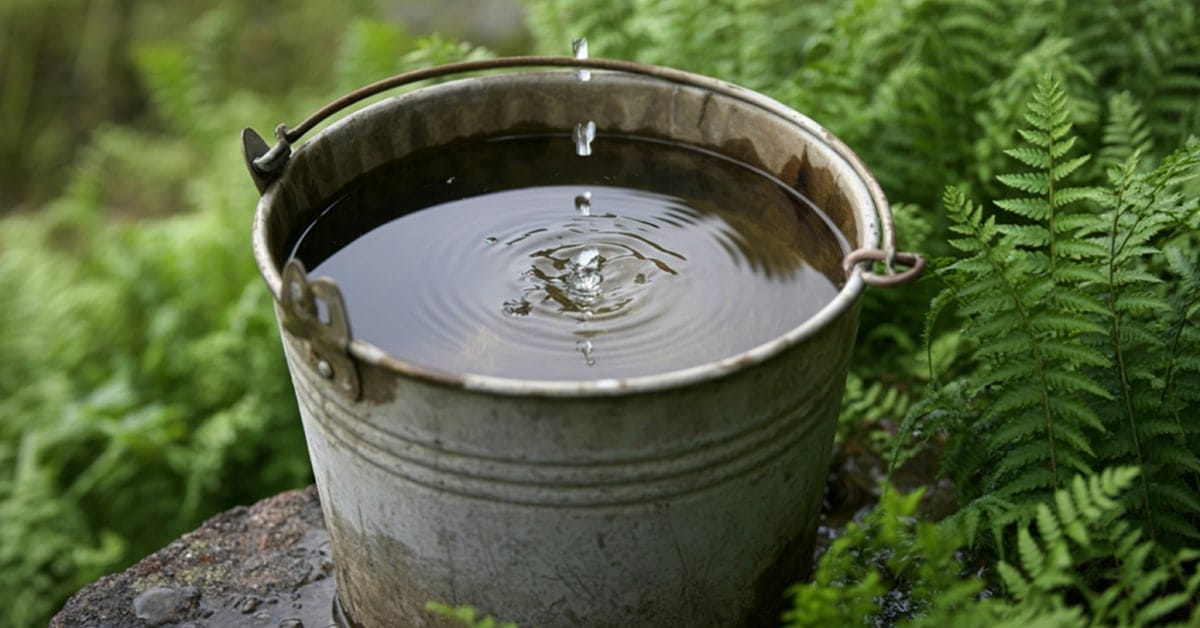
Use jerry cans or water bags. Bottled water stacks more easily but costs more. Rotate your stock every six months. Note the date on each container. Do you have a rainwater tank? It can freeze. Make sure you have water stored indoors in a frost-free place.
💦 More about water? Discover the following articles
Food without refrigeration or electricity
Your fridge doesn’t work during a power cut. After twelve hours food begins to spoil. Therefore concentrate your stock on long-life products that require little preparation.
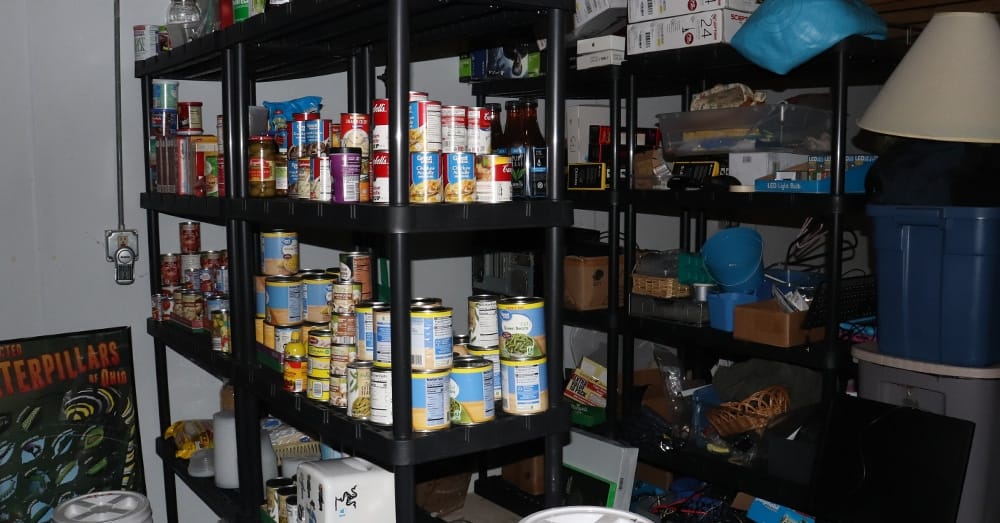
Tinned food tops the list: soups, vegetables, beans, tuna, corned beef. One tin per person per day gives structure to your stock. Count at least two weeks.
Get these in:
- Rice, pasta, couscous (store dry)
- Dried lentils and chickpeas
- Peanut butter and Nutella (high in calories, long shelf life)
- Crackers, rusk, crispbread
- Nuts, raisins, dates
- Honey (never spoils)
- Instant coffee, tea, stock
- Powdered milk
- Olive oil in tins
🥫 Don’t forget a manual tin opener
Sounds trivial, but what use is a full larder if you have no idea how to open your tins?
Light and communication
Candles provide atmosphere but little light. LED torches are more effective and safer. Buy at least three: one per level of your home. Head torches leave your hands free for repairs or cooking. Ensure sufficient batteries – AA and AAA. Count four sets per torch.
Power banks keep your phone running for days. A 20,000 mAh model charges a smartphone four to five times. Larger power stations can also power laptops and even fridges for short periods, but cost hundreds of pounds. Consider this if you have medical equipment that needs power.
An emergency radio on batteries or with dynamo keeps you informed. During power cuts internet and TV go down. Radio often keeps working. DAB+ receivers are handy, but also ensure FM – that signal reaches further.
Hygiene and health
Hot water runs out. Prepare for washing with cold water or not at all. Wet wipes, hand gel and dry shampoo help. Toilet paper – count one roll per person per week. Soap, toothpaste, toothbrushes.
For women: sanitary towels or tampons. Remember that a crisis doesn’t stop for your cycle. For families with babies: nappies, baby wipes, possibly formula milk.
Prescription medicines are crucial. Speak with your doctor about a longer supply, especially if you need daily medication. Additionally: painkillers, fever reducers, plasters, bandages, disinfecting ointment, a digital thermometer.
You can buy a first aid kit complete, but check the contents. Many ready-made kits contain too little of what you actually use and too much of what you never touch.
Equipping your car for winter roads
Technology that must withstand cold
Batteries lose capacity in frost. Have your battery tested – a weak battery gives up the ghost at temperatures below zero. This always happens at the wrong moment.
Antifreeze in your cooling system prevents freezing of your engine. Check the level and strength. Windscreen washer fluid must be winter-suitable to at least -20°C. Summer fluid freezes and can damage your washer system.
Tyres make the difference between driving on and getting stuck. Winter tyres grip better below 7°C, even on dry roads. Check the tread depth – four millimetres is the minimum for safe winter driving. Tyre pressure drops in cold, so check regularly.
What must always be in your car
Basic safety equipment is legally required: warning triangle, hi-vis vest, first aid kit. Add to this a working torch and a fire extinguisher. Check whether your first aid kit is complete and not out of date.
Specifically for winter:
- Ice scraper and de-icing spray
- Snow chains (compulsory in mountain areas, useful everywhere)
- Small foldable shovel
- Bag of salt or cat litter for traction
- Jump leads or jump starter
If you get stranded in the cold
This is where it gets serious. Stuck in a snowstorm, nobody around, temperatures below zero. Your engine can run for heating, but how long will your fuel last? And what if the exhaust gets blocked by snow? Then exhaust fumes flow into your car.
Therefore ensure you have:
- Warm blankets or sleeping bags
- Extra winter clothing (gloves, hat, thermal underwear)
- Thermos flask (fill it before departure on long journeys)
- Energy bars, nuts, dried fruit
- Water in bottles (can freeze, so keep it within reach)
- Candles in tins for minimal heating
- Lighter or matches
A folding shovel digs your car out. Cat litter or an old doormat under the wheels provides traction on ice. Both weigh little and take up little space.
Keep your tank above half full. This prevents condensation and freezing in the tank, and gives you the option to run heating for hours if you get stuck somewhere.
Start today
October offers the ideal moment. The weather is mild enough for repairs to your home. You have time to build up supplies before the first frost arrives. And the shelves are still full – no panic, no shortages, no extortionate prices.
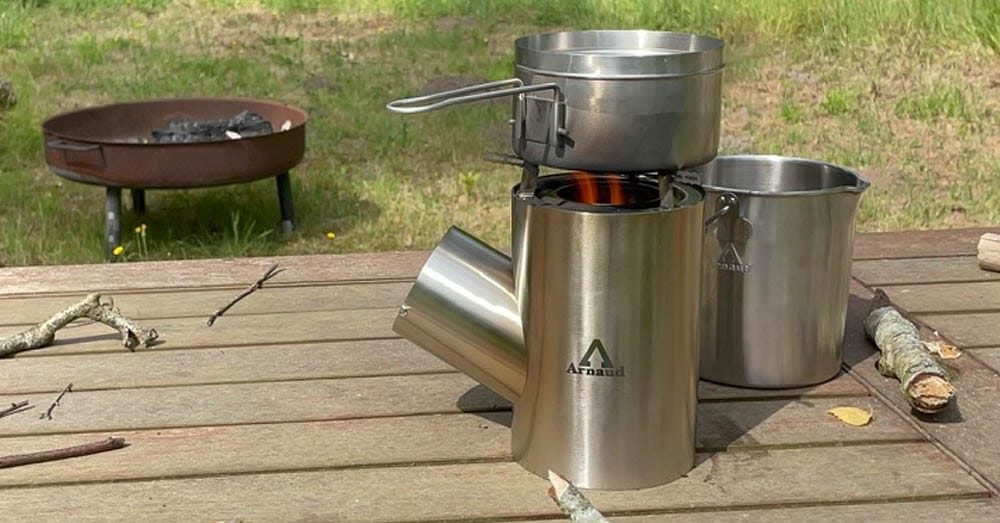
Make a list of what you need. Work through it systematically, step by step. You don’t need to sort everything in one weekend. Better to tackle one area per week than to postpone everything until it’s too late. Test your preparations. Run an evening on batteries and candles. Try cooking a meal on your camping stove. Discover now what you’ve forgotten, not during a crisis.
Close with what matters
Winter comes every year. The question isn’t whether it freezes, snows or storms, but when. By taking steps now – insulating your home, building up supplies, equipping your car – you ensure that you maintain control when conditions deteriorate. It requires time and money, but delivers something that exceeds that investment: the certainty that you and your family remain safe, whatever winter brings.