Most people think about their home when it comes to self-reliance. Yet we spend quite a lot of time in the car. A traffic jam of several hours, a snowstorm, a breakdown in a remote area or an accident can mean that you’re unexpectedly on the road for a long time.
With a small emergency kit in your car you’re better prepared for such situations. You’ll hopefully never need it, but if it comes to that, you’ll be glad it’s there.
What are you going to do this week?
Put together a compact emergency kit that you keep permanently in your car. It doesn’t have to be a large suitcase: a sturdy storage box or small rucksack will suffice.
Also check immediately whether your current safety equipment is still complete.
How to approach it
1. Check the mandatory equipment
Check whether your car still has:
- warning triangle;
- high-visibility vest(s);
- first aid box;
- fire extinguisher (if mandatory).
Also check the expiry date of the first aid box and the inspection of the fire extinguisher.
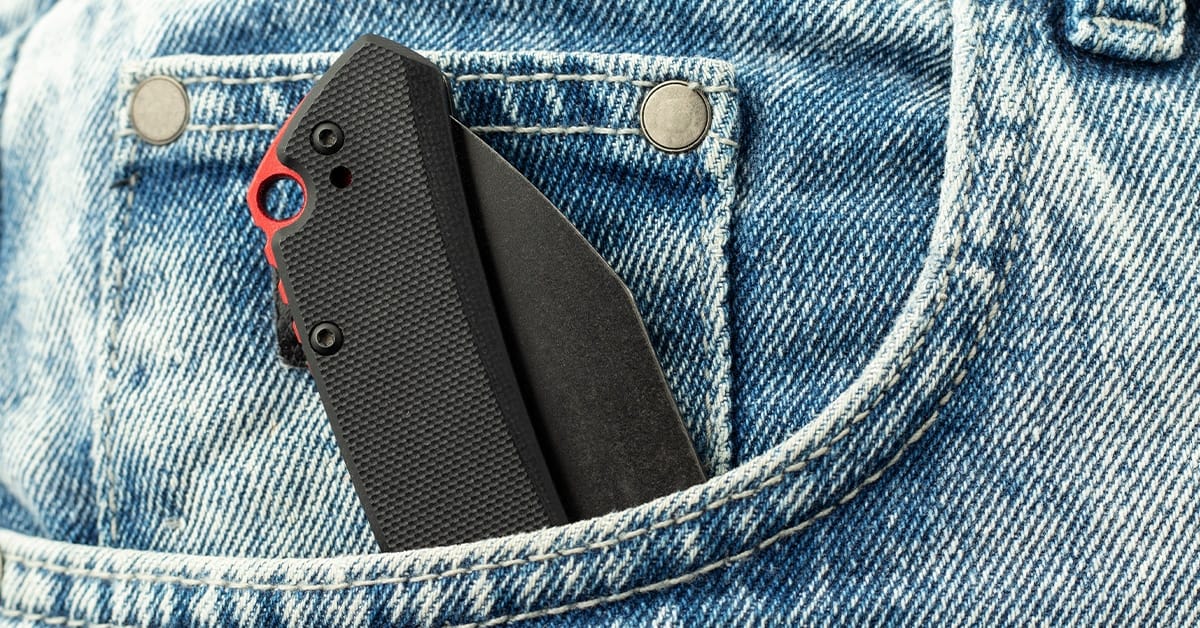
Opinel No. 8
The Opinel No. 8 is often the choice for scout groups or camping because it is not only simple, but also particularly sharp.
2. Add some practical tools
Also keep in your car:
- a powerful torch;
- spare batteries;
- a powerbank with charging cable;
- a multitool;
- a roll of duct tape;
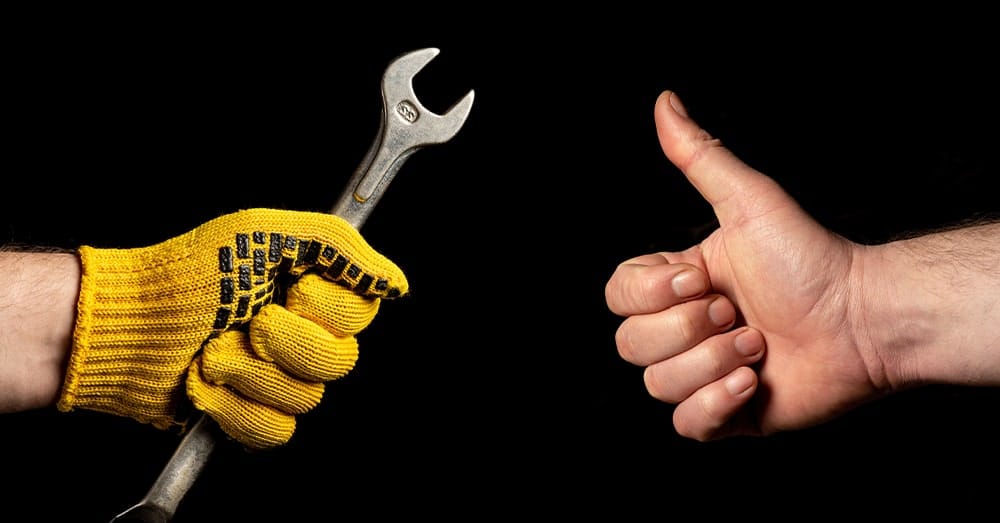
- a pair of work gloves.
These items take up little space, but can solve many problems.
3. Provide water and a small snack
Store for example:
- some bottles of drinking water;
- energy bars;
- nuts or other long-life food.
Replace these products in good time, especially after hot summers.
4. Think about the season
Adapt your emergency kit to the time of year.
In winter, amongst others, are useful:
- a warm blanket;
- a hat and gloves;
- an ice scraper;
- a small snow shovel.
In summer, extra drinking water and sun protection may be more important.
5. Add a simple first aid extension
A standard first aid box is often limited.
Supplement it if necessary with:
- extra plasters;
- disinfectant;
- painkillers;
- an emergency blanket.
🔗 discover everything about first aid here
6. Store everything neatly
Use a lockable plastic box or compact bag.
This prevents loose items from flying through the boot and helps you find everything quickly.
🪖 Self-sufficient in 52 weeks
Every week a small, achievable tip that you can apply immediately. No expensive survival gadgets or unrealistic scenarios, but practical steps with which you better prepare your family for power cuts, chaos or unexpected crises.
Follow the series and discover how in one year you grow from zero to completely prepared. 52 weeks, 52 tips – and you’re stronger than 90% of the people around you.
Discover all the tips here!
What do you need?
- storage box or small rucksack;
- torch;
- powerbank;
- water;
- energy bars;
- work gloves;
- blanket;
- simple first aid kit.
Common mistakes
- Only putting together the emergency kit after you’ve had a breakdown.
- Leaving water or food lying around for years.
- Letting loose items slide around in the boot.
- Not taking summer and winter into account.
- Not knowing where the kit is located.
Why this really matters
A breakdown rarely comes at a good time. Perhaps you’re standing in the middle of the night along a deserted road, you’re stuck for hours in a winter traffic jam or you have to wait for breakdown assistance without facilities nearby.
With a simple emergency kit you remain more comfortable, safer and less dependent on others. It costs little time and money, but can make an unpleasant situation considerably more bearable.