If emergency services don’t answer, what then?
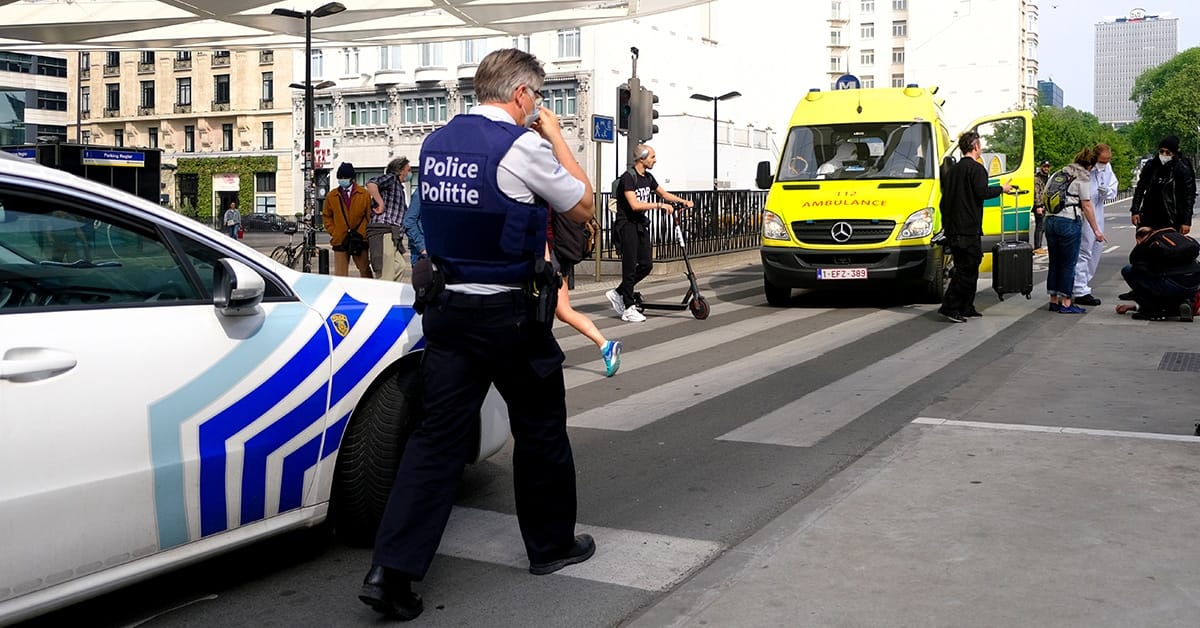
Imagine: there’s a fire in your kitchen, smoke fills the room and you call 999. The phone rings. And rings. And rings. Nobody answers. This summer this happened nearly 17,000 times in East Flanders alone – nearly a quarter of all emergency calls went unanswered due to staff shortages at the control centre.
The question isn’t whether this can happen to you, but what you do when it happens. Because at that moment you often don’t have time to wait or to call again. Then you must act yourself. The skills you possess at that moment and the supplies you have to hand determine how the situation turns out.
I find it an uncomfortable truth, but an important one. We’re used to trusting emergency services. That’s justified too – the system is there for us. But when that system fails, you have two options: panic or action. This article is about the second option.
The first three minutes: you are the emergency service
When 999 or 101 doesn’t answer, the clock starts ticking. On average, it takes three to five minutes for flames to spread through a property in a fire. During a heart attack or serious blood loss, brain cells can begin to die after just four minutes without oxygen. Three minutes – that’s the time you have to act.
Fire: first action determines everything
A kitchen fire often starts with a pan. You’re inclined to throw water, but that’s life-threatening with fat fires – the fat explodes and spreads the flames. These are the steps you should take:
- Smother the fire: Place a damp cloth or lid on the pan. No oxygen, no fire.
- Use a fire extinguisher: Aim at the base of the flames, not at the flames themselves. Make a sweeping motion.
- Close doors: If the fire becomes too large, close the kitchen door and evacuate. A closed door slows the spread.
- Crawl low: Smoke rises. Beneath that smoke layer oxygen can often still be found.
A powder extinguisher isn’t expensive and can stop an incipient fire. Hang it visibly in the kitchen and ensure everyone knows where it is: not behind three pots in a cupboard! Useless stuff is stuff you can’t reach when you need it.
Medical emergencies without an ambulance
Someone collapses unconscious. You call 999, nobody answers. What now?
Resuscitation:
- Check breathing: place your ear by the mouth, look at the chest
- No breathing? Start cardiac massage: 30 chest compressions (press 5-6 cm in, tempo 100-120 per minute)
- Then 2 rescue breaths, mouth-to-mouth
- Keep going until the person responds or until help arrives
A first aid course lasts one day and gives you these skills. The Red Cross organises them regularly. I did such a course and the most important lesson was this: imperfect help is better than no help. You don’t need to be a doctor to save lives.
Serious blood loss:
- Apply direct pressure to the wound with a clean cloth
- Press for at least 10 minutes without releasing
- Raise the injured limb higher than the heart
- In case of very serious blood loss to arms or legs: consider a tourniquet above the wound
A proper first aid kit with sterile gauze, pressure bandages and gloves costs 40 euros. Check annually whether everything is still complete and in date.
Burglary or aggression without police
The scenario nobody talks about, but apparently exists: you hear someone breaking in, you call 101, you get no connection. Or you’re threatened on the street and there’s no police nearby.
Prevention first:
- Hang clear lighting and preferably an outdoor camera (visible deterrent effect)
- Reinforce doors with extra locks
- Know your neighbours and agree to warn each other of suspicious situations
If it happens anyway:
- Make noise: shout, raise the alarm, ensure neighbours wake up
- Personal alarm of 120 decibels attracts attention
- Look for escape routes, not confrontation
- Objects in the house can be emergency defence: torch with strobe, deodorant in eyes, umbrella to create distance
Self-defence is always a last option when escape is no longer possible. You resolve most situations with visibility and noise, not with violence.
Your emergency plan: more than just supplies
Buying supplies is easy. Using them effectively in a crisis situation is what counts. A fire extinguisher you’ve never tested, first aid equipment whose instructions you don’t know – that’s false security.
- Belgium has an online tool available that helps you draw up an emergency plan
The basic checklist for home
These items belong within arm’s reach:
- Fire extinguisher in kitchen and garage (test the pressure annually, check the expiry date)
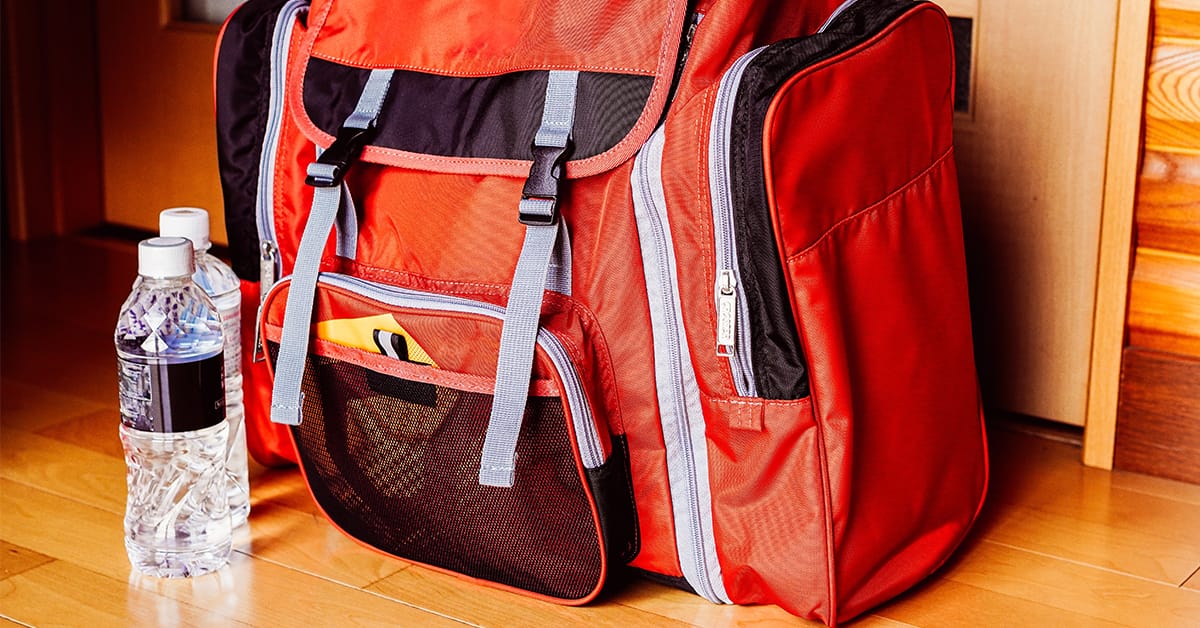
- First aid kit with at least: sterile gauze, pressure bandages, gloves, scissors, disinfectant, plasters, elastic bandages
- Torch (with spare batteries, not with flat batteries in a drawer)
- Emergency radio for information if the power grid fails
- Spare batteries for critical devices
- Waterproof folder with copies of important documents (identity cards, insurance, bank details)
🪖 Self-sufficient in 52 weeks
Each week a small, achievable tip that you can apply immediately. No expensive survival gadgets or unachievable scenarios, but practical steps with which you better prepare your family for power cuts, chaos or unexpected crises.
Follow the series and discover how in one year you grow from zero to completely prepared. 52 weeks, 52 tips – and you’ll be stronger than 90% of the people around you.
Discover here all the tips!
Practice prevents panic
Knowledge you don’t apply, you forget. Organise an exercise once a year:
Fire drill:
- Set off the fire alarm
- Practise the escape route with your family
- Test whether everyone knows where the fire extinguisher is kept
- Agree on a meeting point outside
Power cut test:
- Turn off all switches for one evening
- Can you see where your torch is?
- Do your batteries still work?
- Can you prepare food without electricity?
This might sound excessive, but during a real crisis you have no time to think. Muscle memory takes over. You act automatically because you’ve done it before.
If you still need to call through
When 999 or 101 doesn’t answer, don’t give up after one attempt:
- Try again: Sometimes you get through on a second attempt
- Call the hospital directly: For medical emergencies you can call the A&E department of the nearest hospital
- Call on neighbours: Via messaging apps or by literally ringing the doorbell
- Go to the fire station: If it’s nearby and you have transport, that’s quicker than waiting
Note these numbers on a list by your phone:
- Nearest hospital A&E department
- Local police station (not an emergency but for reporting)
- Neighbours left, right, and opposite
- GP (often available for advice outside surgery hours as well)
Three scenarios, three solutions
Theory is useful, but it helps to think through concrete situations. Here are three realistic scenarios where emergency help may arrive too late.
Start today, not tomorrow
The chance that you personally will deal with an unanswered emergency call is small. But the chance that you’ll ever experience a fire, medical emergency or threatening situation is not negligible. And when that moment comes, the choices you’ve made beforehand make the difference.
Here’s what you can do this week:
Today:
- Check whether you have a fire extinguisher and know where it is kept
- Find the number of the nearest hospital and note it down
- Check whether your first aid kit is complete (or buy one)
This week:
- Follow a short online tutorial on resuscitation (YouTube has good videos from the Red Cross)
- Test your torch and buy spare batteries
- Discuss with your family or housemates what to do in case of fire or burglary
This month:
- Sign up for a first aid course
- Practise using your fire extinguisher once (instructional videos online or ask for a demonstration when purchasing)
- Make a list of numbers you need to be able to reach without internet
These aren’t big investments in time or money. A fire extinguisher, first aid kit and torch together cost less than 100 euros. A first aid course costs one Saturday. But the value of this preparation is immeasurable at the moment you need them.
I hope you never use these skills. But I hope even more that you do have them when the situation calls for it. Because then you are the emergency service that does answer.