
Why a well-stocked first aid kit is not a luxury
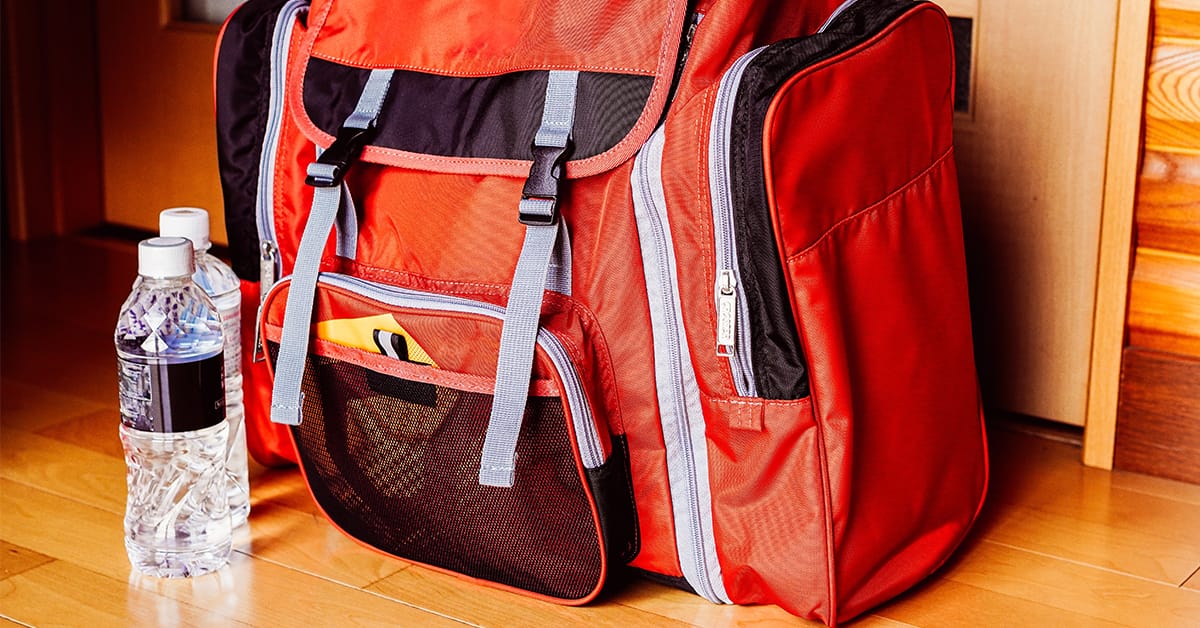
An accident always happens at the wrong moment. Your child falls off their bike, your partner burns themselves on the oven, or you injure yourself whilst doing DIY. Then you don’t want to be busy looking for usable bandages. The EU advises residents to be able to be self-sufficient for 72 hours – a well-stocked first aid kit certainly belongs there.
Learn the difference between a real first aid kit and some loose items in your drawer. A complete set contains everything you need to be able to act immediately, from small cuts to more serious injuries.
⛑️ Want to know more about First Aid?
Read here as well: Life-saving first aid tips from the Red Cross
The basics: this must always be included
Plasters and bandaging material
Start with plasters in different sizes. Not just those standard strips, but also waterproof variants and extra large ones for grazes. Children heal faster if they get a fun plaster – believe me, that really works.
Sterile gauze compresses are essential for larger wounds. You use the non-adhesive version for wounds that are already healing, the adhesive variant for fresh cuts. In addition, you need elastic bandages in different widths. I often use these for securing compresses, but also for supporting sprained ankles.
Instruments you cannot do without
You only buy good tweezers once. Go for splinter tweezers of approximately 10 centimetres – that’s the standard size with which you can remove both splinters and glass shards without problems. Don’t forget to disinfect them before and after use.
With bandage scissors you can immediately tell if they’re good by the curved tip. That flat blade prevents you from accidentally cutting into the skin when you’re cutting away bandages. That detail can make the difference between smooth treatment and extra pain for the victim.
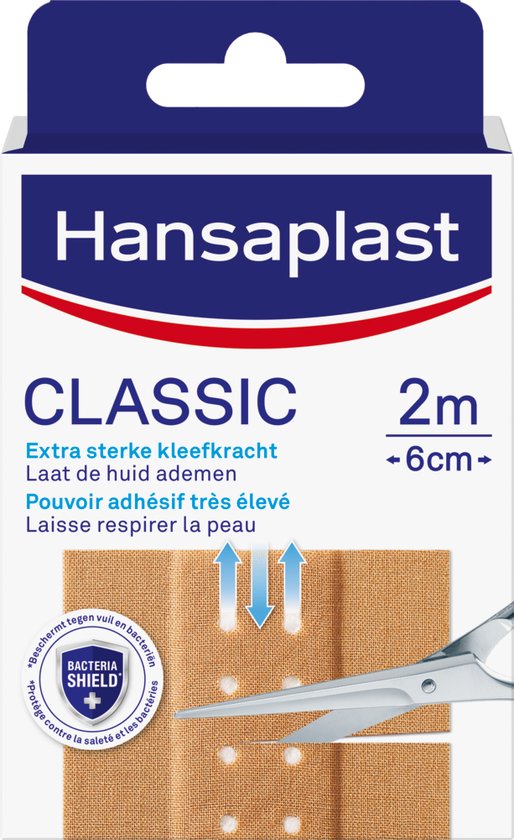
Classic pleisters voor wondverzorging
Hansaplast Classic Pleisters zijn de perfecte oplossing voor het verzorgen van kleine wondjes. Gemaakt van duurzaam textielweefsel, zijn ze ademend en bieden ze sterke kleefkracht. Het niet-klevende wondkussen beschermt effectief tegen vuil en bacteriën.
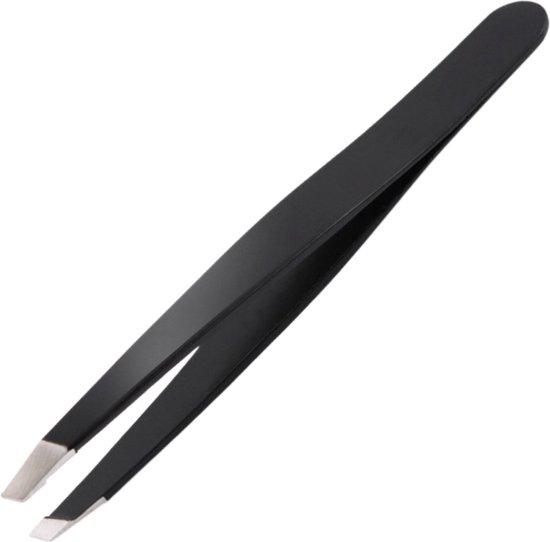
Slant pincet voor wenkbrauwen en splinters
De Slant pincet van RKe is een uitstekende keuze voor het verzorgen van wenkbrauwen en het verwijderen van splinters. Met een schuin aflopende punt en volledig handgemaakt van hoogwaardig RVS, biedt deze pincet precisie en gebruiksgemak.
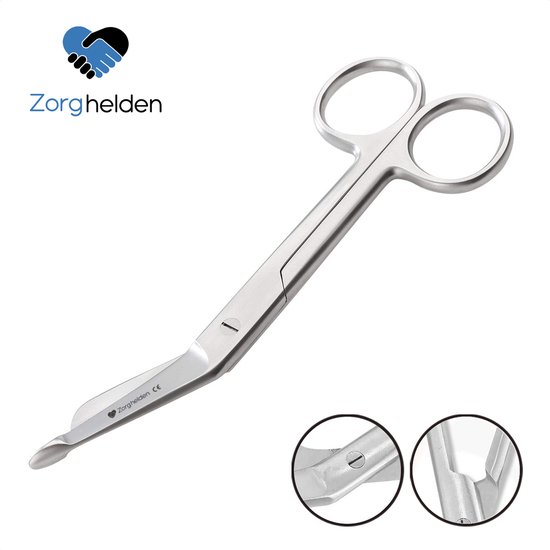
Zorghelden professionele verbandschaar
Een erbandschaar is een onmisbaar hulpmiddel voor zorgprofessionals en thuisgebruikers. Met een lengte van 14 cm en een stompe punt biedt deze hoogwaardige RVS schaar de veiligheid en betrouwbaarheid die je nodig hebt om snel en efficiënt verbanden, tape of kleding te verwijderen.
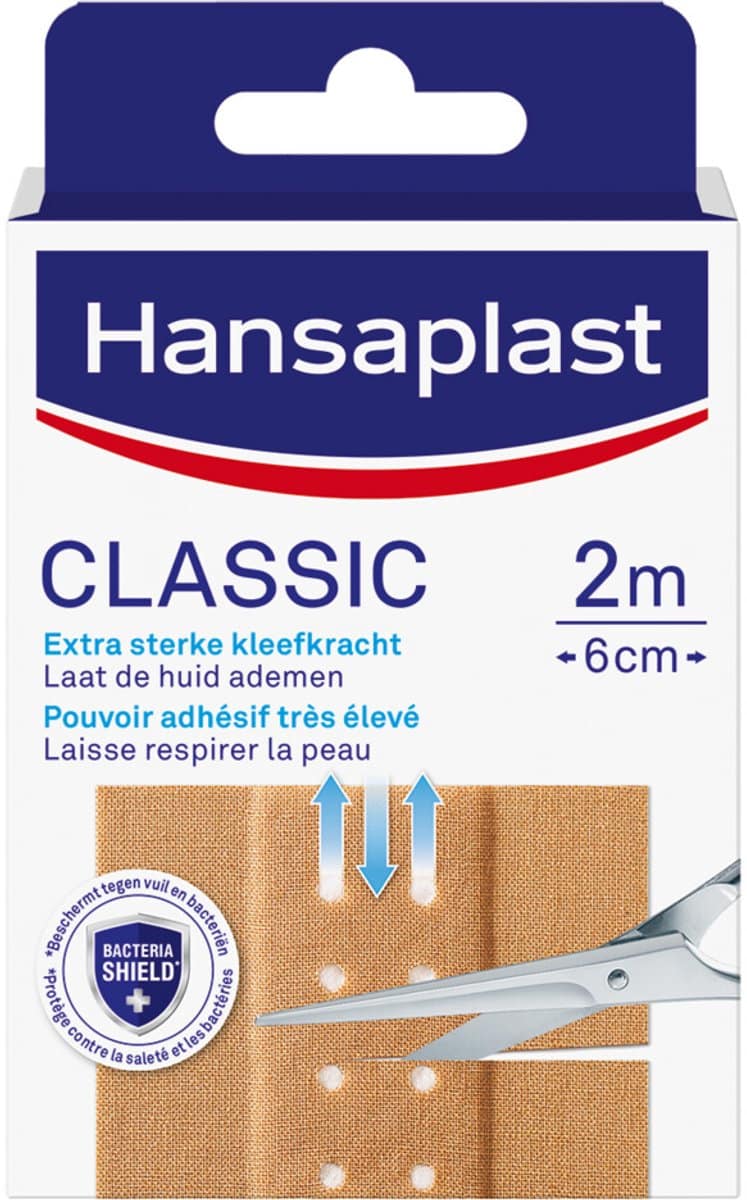
Classic pleisters, 2 x 2 meter
Klassieke textielpleisters op rol die je op maat knipt voor kleine wondjes.
Maintenance: why most kits become worthless
Check every six months
This is usually where it goes wrong. People buy a kit, put it away and forget about it. Result: when you need it, everything has expired or dried out.
???? Choose a ready-made first aid kit
You can also choose a ready-made first aid kit, which you don’t have to assemble yourself
Set a reminder in your diary to check every six months. Check expiry dates, throw away dried-out plasters, replenish missing items.
Adapt to your situation
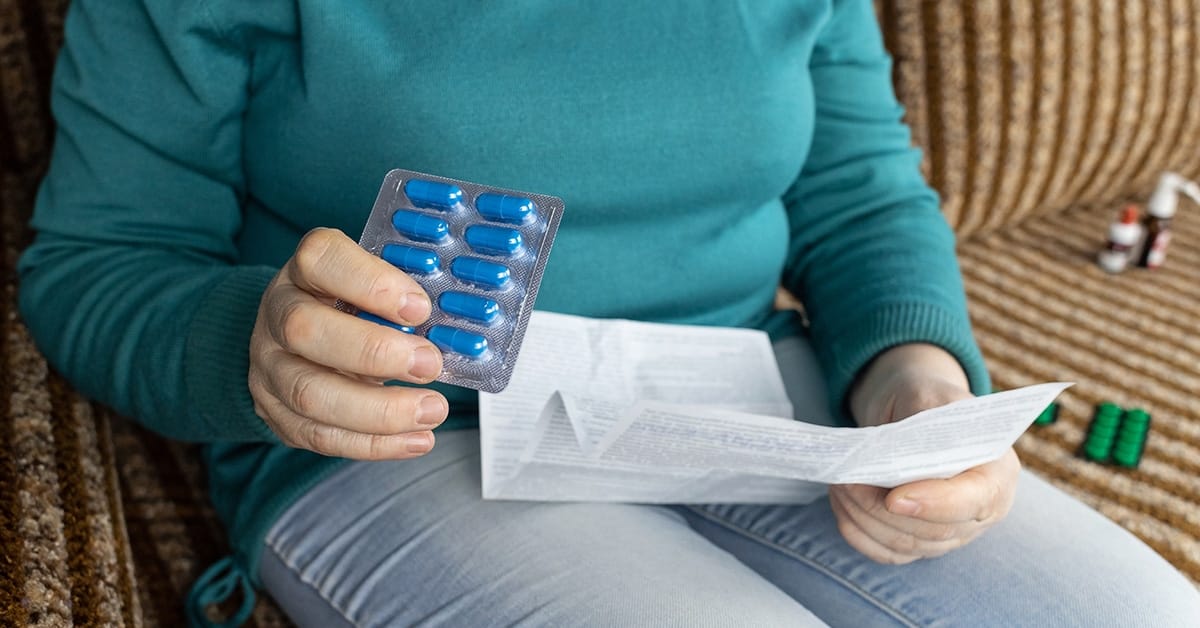
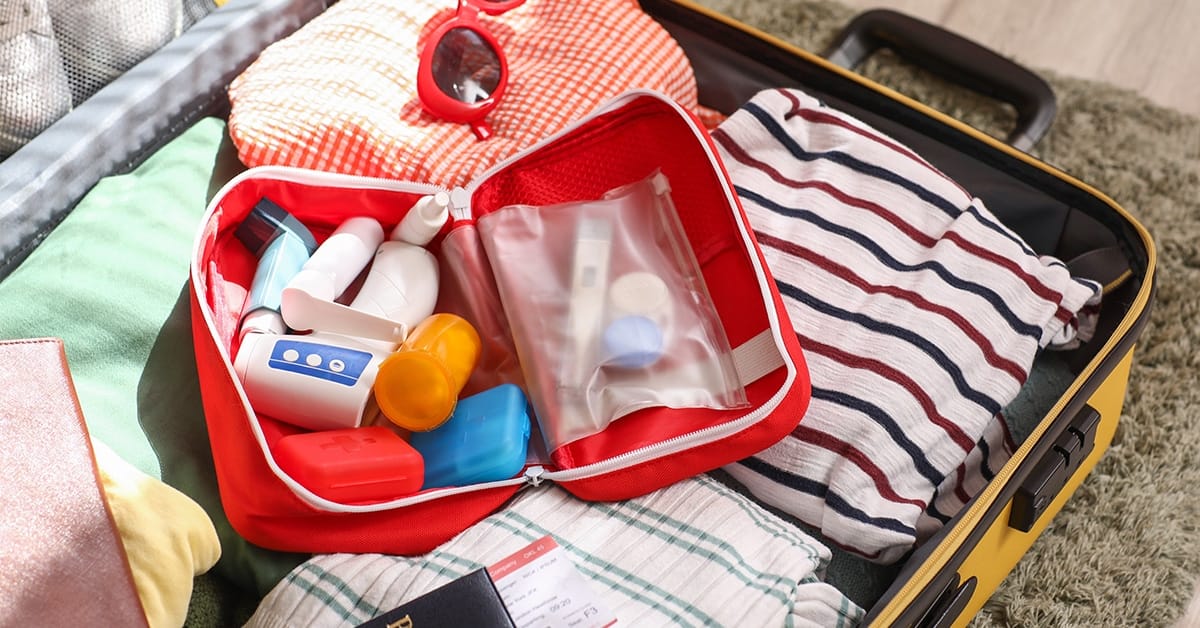
A standard kit is a beginning, not an end point. Add personal medication: inhalers for asthma, antihistamines for allergies, extra medicines you use regularly.
Do you often go out in nature? Add tick tweezers and some extra antiseptic wipes. Do you have small children? Ensure you have extra children’s plasters and perhaps a digital thermometer.
The psychological aspect
A well-stocked first aid kit gives peace of mind. You know you’re prepared. That might sound airy-fairy, but it’s true. In times of crisis, floods or other emergencies you already have enough to worry about. Moreover, children learn from your example. If they see that mum or dad is prepared, they also develop a responsible attitude. That’s an investment that pays off.