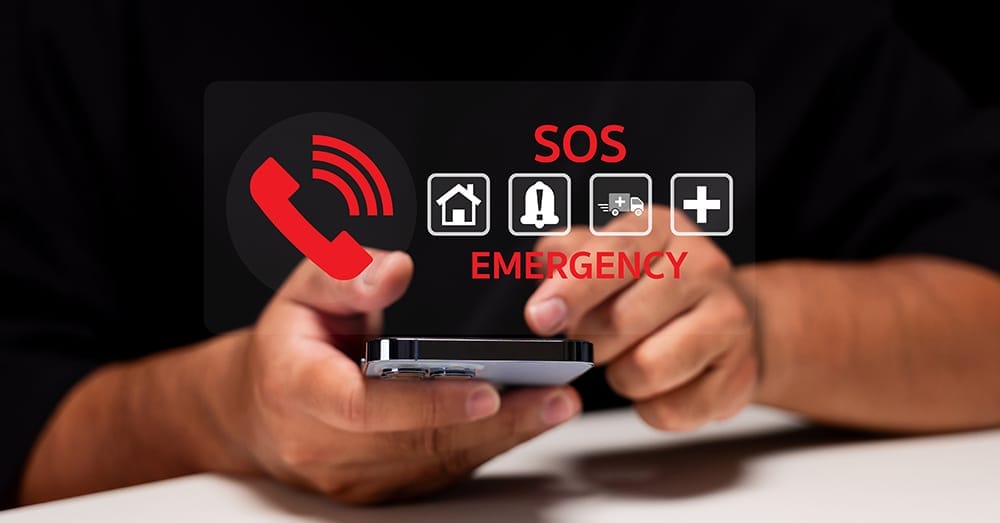


In recent years, more and more smartphones have been equipped with a technology that was previously reserved only for professional communication devices: satellite connections.
Back-up if the mobile network fails
In recent years, smartphone developers have been providing satellite connections on the devices. In 2022, Apple introduced the feature. Users with a device from the iPhone 14 series onwards can send emergency SOS messages via satellite when there is no mobile network or Wi-Fi available. Certain Google Pixel models also support the feature, as does the Samsung Galaxy S25.
❗️Limitations of Samsung ❗️
Please note: the Samsung Galaxy S25 can connect to satellites, but not just like that. Samsung has no partnership with providers of satellite connectivity. Only if your mobile provider offers the function can you establish a satellite connection with the Samsung.
Technology saves lives
For people who regularly venture outside the inhabited world, this can make the difference in emergencies. “The feature has already saved lives”, says Michael Trela, the senior director of Apple’s satellite division. He spoke about a capsized fishing boat in Key West (Florida). One of the five people who had ended up in the water was able to reach the emergency services via Emergency SOS, after which the coast guard could arrive on the scene and all five drowning victims were rescued.
These smartphones have a satellite connection
We selected several smartphones that offer a satellite connection. Discover them below.
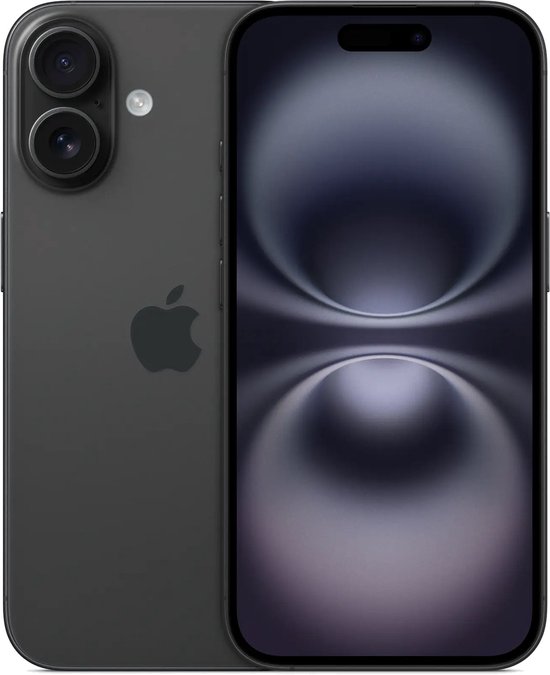
iPhone 16
Ontdek de iPhone 16 in het zwart met 128GB opslag, een smartphone die zijn voorgangers overtreft. Met een 48-MP Fusion-camera en innovatieve ultragroothoeklens leg je elk moment vast, ongeacht de omstandigheden. De krachtige A18-chip zorgt voor een lange batterijduur en snelle prestaties. Dankzij de satellietfunctie blijf je altijd verbonden, wat essentieel is in een onvoorspelbare wereld waar je voorbereid wilt zijn op onverwachte situaties.
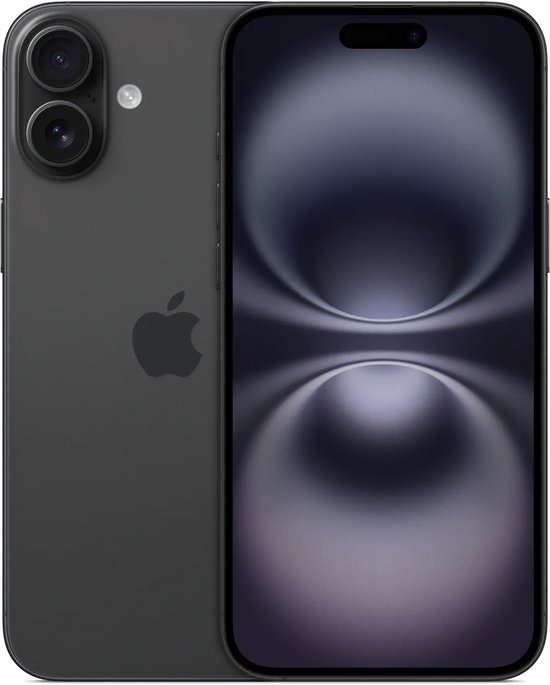
iPhone 16 Plus
Ontdek de iPhone 16 Plus in zwart, een smartphone die krachtige prestaties en gebruiksvriendelijkheid samenbrengt. Met een 48-MP camera en een lange batterijduur leg je elk bijzonder moment moeiteloos vast. Het robuuste ontwerp en de energiezuinige A18-chip maken deze telefoon betrouwbaar. Dankzij de satellietfunctie blijf je verbonden, wat essentieel is in een wereld vol onverwachte situaties.
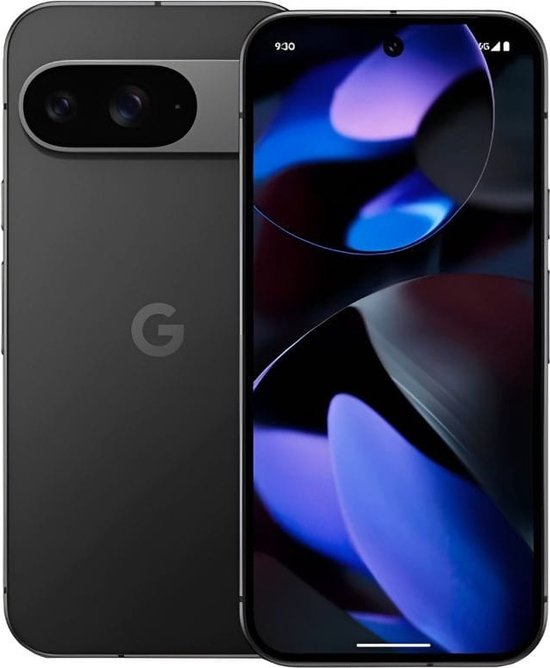
Google Pixel 9
De Google Pixel 9 (128GB, Zwart) is meer dan een smartphone; het is jouw betrouwbare partner in een snel veranderende wereld. Met zijn krachtige 50 MP-camera en een briljant 6,3-inch Actua-display, biedt deze telefoon ongeëvenaarde functionaliteit. De lange batterijduur en slimme AI-assistent zorgen ervoor dat je altijd verbonden en voorbereid bent, zelfs wanneer situaties onverwacht veranderen. Perfect voor wie het leven met vertrouwen tegemoet wil treden.
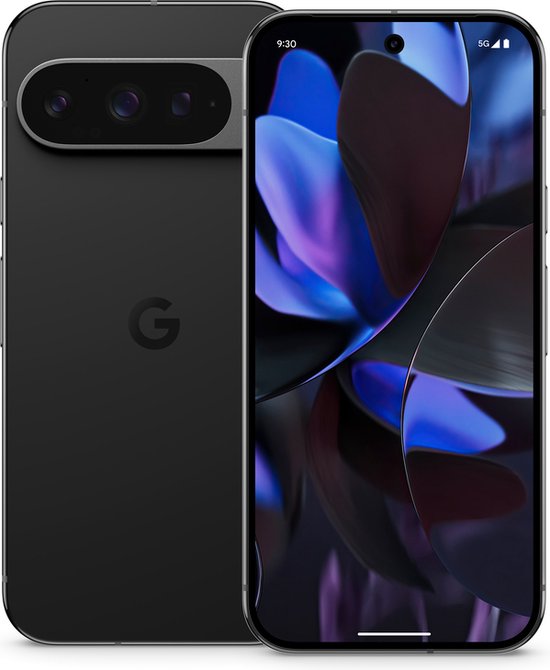
Google Pixel 9 Pro
Ontdek de Google Pixel 9 Pro met 512GB opslag, een innovatieve smartphone die je helpt om het beste uit elk moment te halen. Met de indrukwekkende Pixel 9-camera maak je niet alleen prachtige foto’s, maar ook groepsfoto’s waar iedereen op staat. De krachtige prestaties, 12 GB RAM, en 7 jaar aan updates zorgen ervoor dat je altijd voorbereid bent op de toekomst, zelfs in onzekere tijden.
How satellite communication works on smartphones
Satellite phones connect to satellites orbiting the Earth instead of terrestrial transmitter masts, as ordinary mobile phones do. With smartphones with satellite function, the principle is similar, but with important limitations.
The phone connects via radio waves, with information being forwarded to a satellite and then relayed to a ground station. Apple states that sending a message can take between 15 seconds and a minute due to the limited bandwidth.
What can and can’t you do?
The possibilities are limited compared to regular mobile communication:
- What is possible: Send emergency messages, share location, text messages (limited)
- What is not possible: Making calls via satellite (on most devices), browsing the internet, uploading photos
- Conditions: Clear view of the sky, keeping the phone in the correct position
Because satellites are moving objects with limited bandwidth, it can take several minutes before a message is sent. The technology therefore requires patience from the user.
Practical applications and limitations
When is it really useful?
For emergencies in remote areas:
- Mountain hiking without mobile coverage
- Sailing or fishing on open water
- Working in remote industrial locations
- Natural disasters where the mobile network fails
Our context: limited necessity?
In the Netherlands and Belgium, the usefulness of satellite functions is relatively limited due to the high coverage of 4G and 5G networks – there are not many areas where there is no mobile coverage at all. For most Dutch and Belgian users, the function will therefore rarely be needed.
However, I do see scenarios where it could be useful: think of the floods in Limburg, power outages due to winter storms, or simply a day’s walking in the Ardennes where mobile coverage is more sparse.
Costs and availability
Both Apple and Google offer their satellite services free of charge for the first two years, but have not yet announced prices for afterwards. For comparison: Garmin’s inReach service costs $1.95 per month, which gives an indication of possible costs.
Alternatives for emergency communication
Those who frequently visit remote areas have multiple options. Professionals will be more likely to opt for a separate satellite communicator than for a smartphone with the built-in function – because it is not yet completely perfected today:
Dedicated satellite phones
- Iridium network offers worldwide coverage from pole to pole
- More robust and reliable than smartphone-based solutions
- Higher costs but proven technology
Satellite messenger devices
- Garmin inReach series
- SPOT messengers
- Specifically designed for outdoor use
Smartphone apps with existing network
- Apps such as Zello can make your phone function as a walkie-talkie over the internet
- Only works when internet is still available

Garmin InReach Mini 2: lichtgewicht en compacte satellietcommunicator
Gen4 satelliet-GPS-messenger
Compacte satellietmessenger die via Globalstar je locatie en noodoproepen doorstuurt, ook zonder gsm-bereik.
The reality: useful for few, crucial for some
Smartphones with satellite function are an interesting technological development, but the practical value varies greatly per user. For the majority of the Dutch population, the function will remain a ‘nice to have’ that they – fortunately – will probably never have to use.
However, for people who regularly venture outside the reach of mobile networks – or who want to prepare for exceptional circumstances – it can form a valuable back-up. It is not a replacement for real satellite equipment, but it is a handy addition to your existing smartphone.
The technology is still in its infancy and will undoubtedly improve in the coming years. For now: handy to have, but don’t depend on it with your life in critical situations.