When people think about self-sufficient living, they often think first of a vegetable garden. That makes sense. But those who look a bit further soon notice that animals can be an important addition.
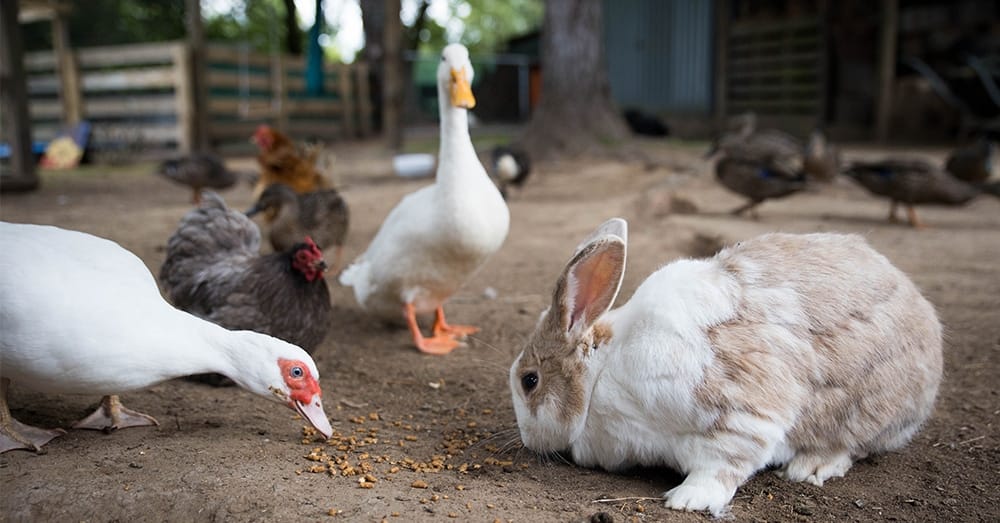
This week therefore revolves around keeping small animals, with chickens as the most accessible example. Not as a hobby or decoration in the garden, but as a practical source of food.
Why this is important
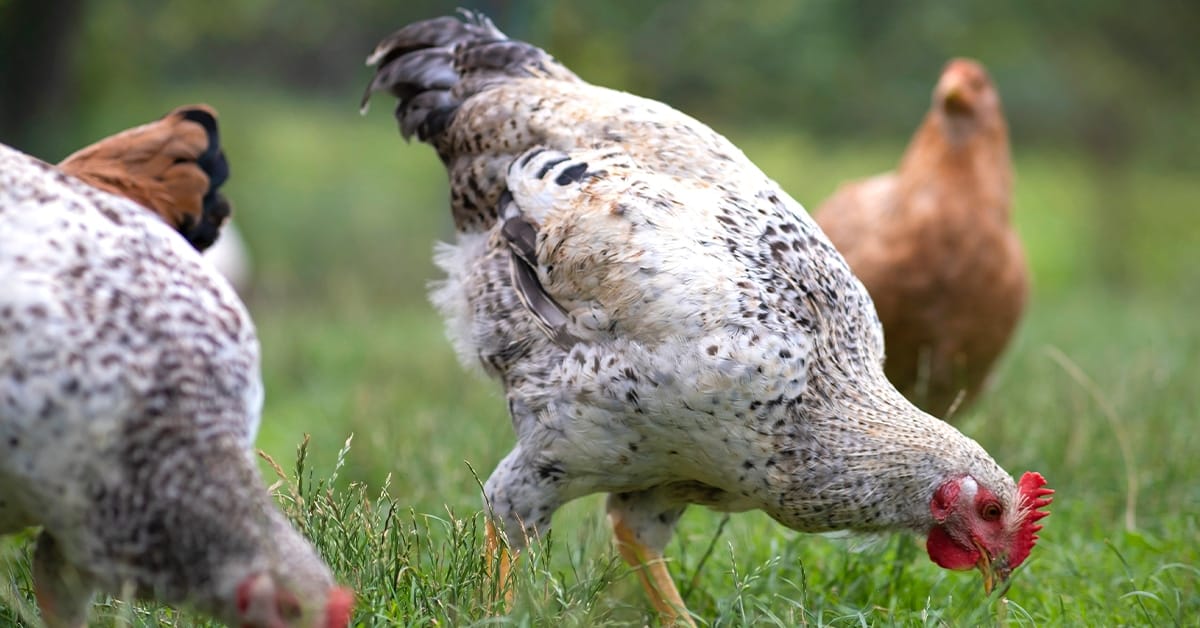
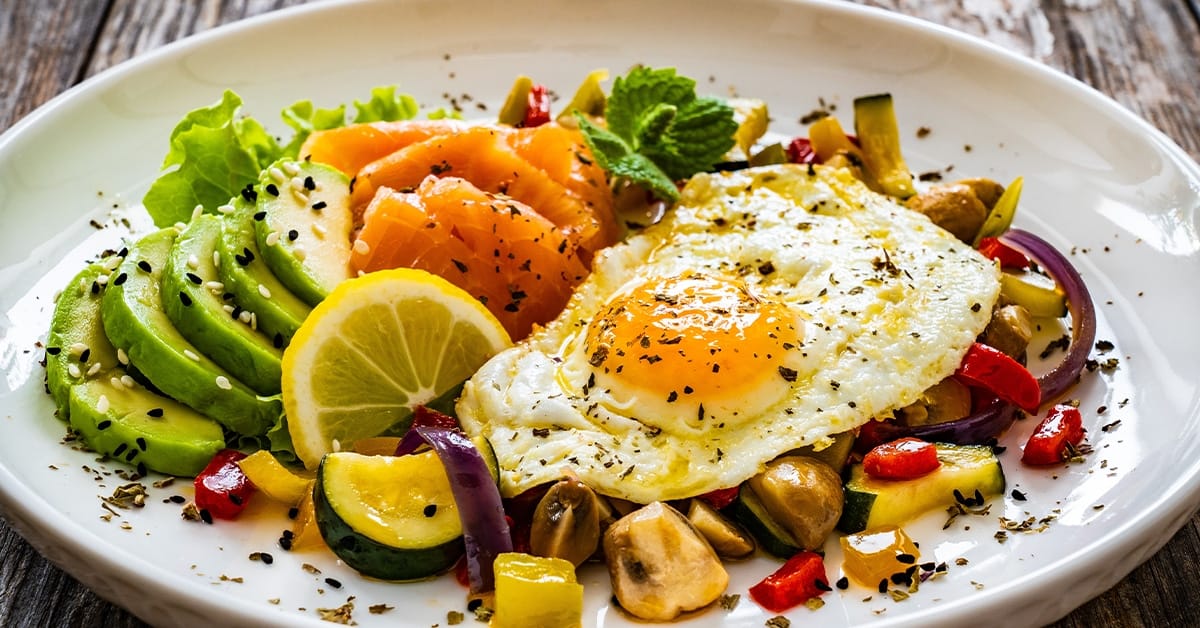
A vegetable garden produces vegetables, but remains dependent on seasons, weather and yield. Animals add something extra: proteins, manure for the garden and a form of continuity. Chickens are popular because they require relatively little space and are fairly simple to care for. They provide eggs, process kitchen scraps and can be well combined with a vegetable garden.
That doesn’t mean you don’t have to put work into it. But they do offer stable added value if you’re willing to take responsibility for them.
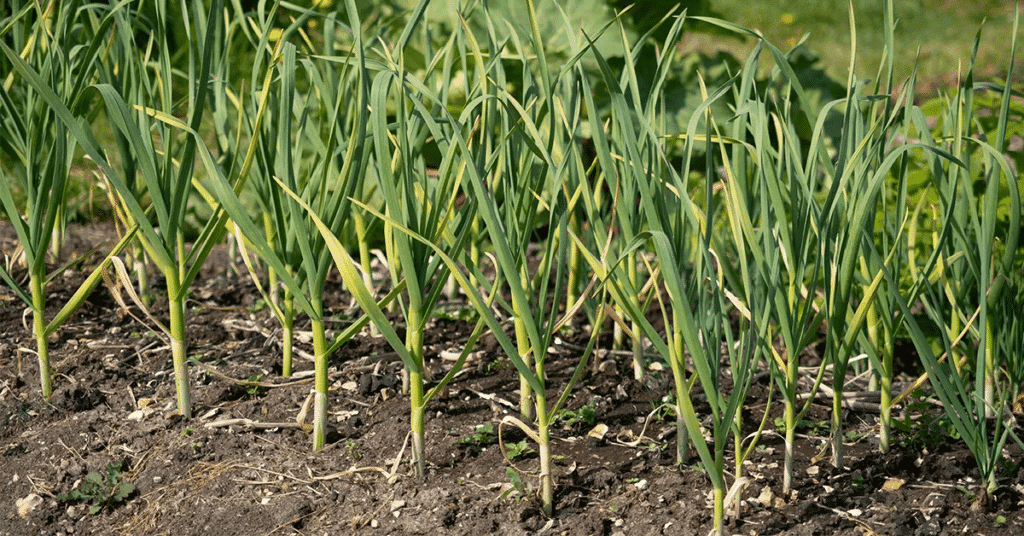
Start small and realistic
Many people make the same mistake: they want too much straight away. A large coop, multiple animals or all sorts of systems at once.
In practice, starting small works much better. Two to four chickens are more than sufficient for most people to gain experience and have a regular supply of eggs. The most important thing is that you first understand what animals need daily: food, water, shelter and care.
A good enclosure makes the difference
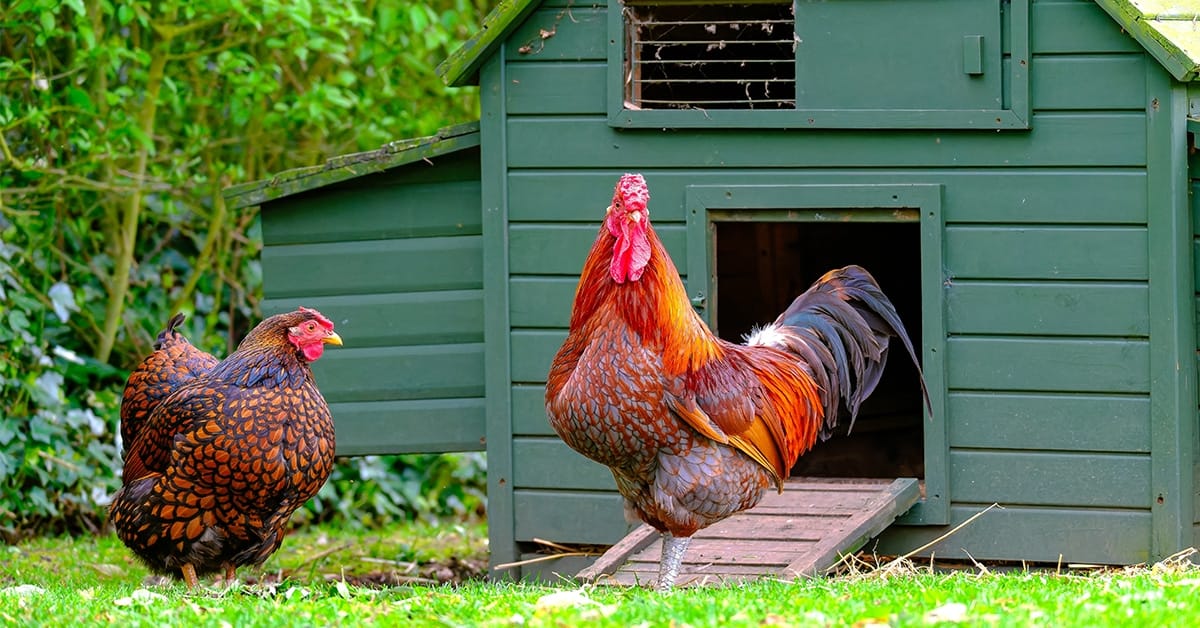
A solid coop doesn’t have to be large or expensive, but it must be practical. Dryness, ventilation and protection against predators are essential.
In addition, animals need peace. Stress, poor hygiene or too little space quickly cause problems. Here too: simplicity works better than complicated constructions that ultimately aren’t maintained.
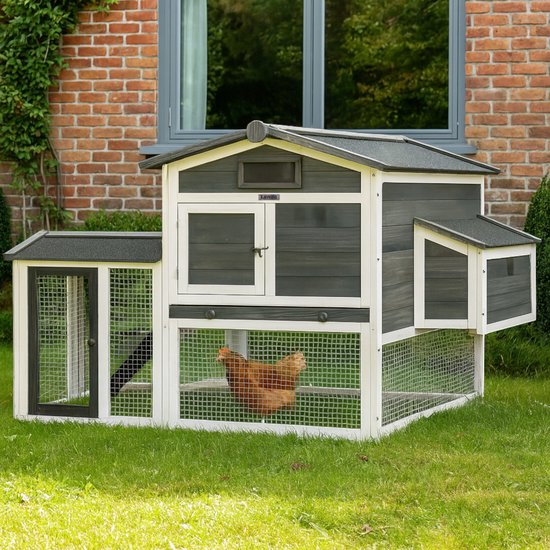
Kippenhok met nachthok en ren
Het Lendo Online kippenhok biedt een veilige en comfortabele leefruimte voor jouw kippen, met een duurzaam nachthok en een ruime ren. Gemaakt van geïmpregneerd vurenhout en voorzien van een weerbestendig dak, is het hok ideaal voor elk seizoen. Dit betrouwbare kippenverblijf zorgt ervoor dat je voorbereid bent op onverwachte weersomstandigheden, zodat je kippen altijd een beschutte plek hebben om terug te trekken.
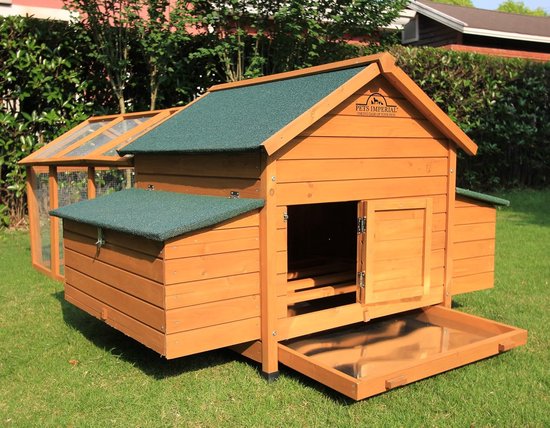
Kippenren met sterk gaasnet
Bied jouw kippen de ideale combinatie van vrijheid en veiligheid met de Kippenren van Pets Imperial. Gemaakt van diervriendelijk hout en sterk gaas, beschermt deze ren tegen roofdieren en andere gevaren. Met een open dak voor eenvoudige hygiëne en een ruime leefomgeving, kunnen jouw dieren gezond en gelukkig blijven. Dit product is ook handig voor diegenen die willen inspelen op onverwachte situaties in een onzekere wereld.
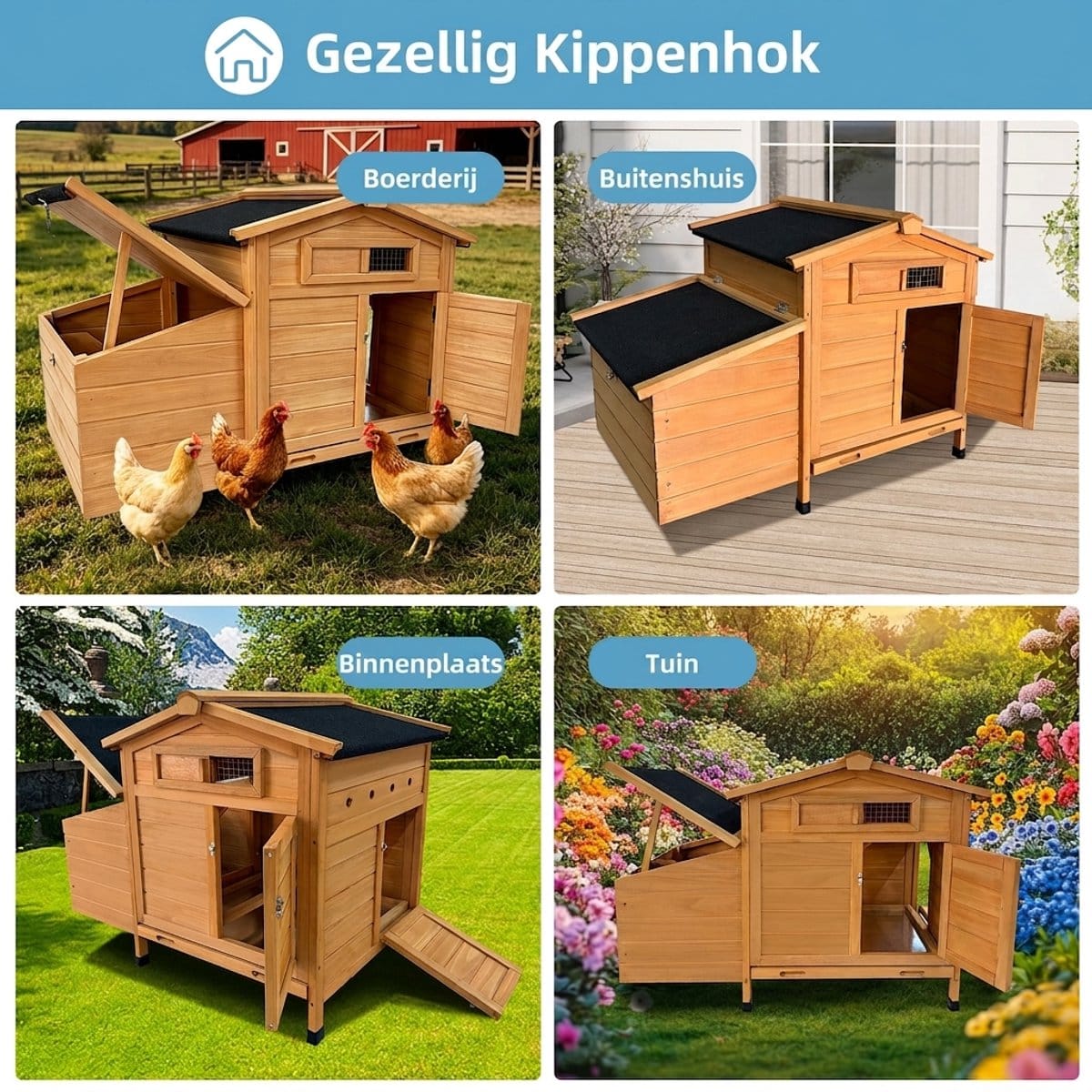
Verhoogd kippenhok met legnest
Houten kippenhok op poten met legnest en uitneembare bodem, voor een klein aantal kippen.
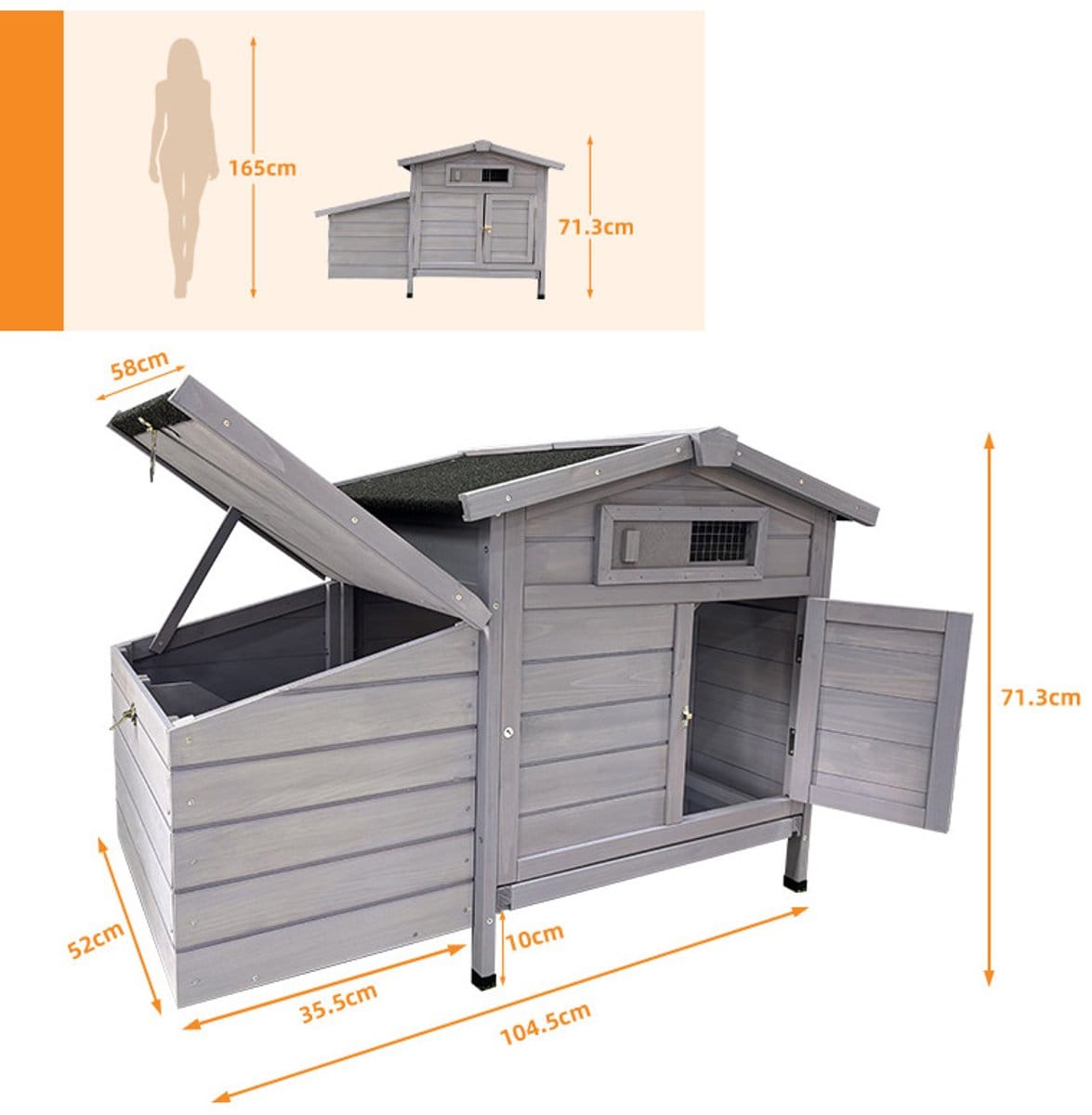
Kippenhok met legnest op poten
Kippenhok op poten met legnest en uitschuifbare bodem die het schoonmaken makkelijk maakt.
Think beyond just food
Small animals provide more than just eggs or meat.
Chicken manure, for example, can be used in the vegetable garden, which makes your soil stronger in the long term. In addition, animals often provide more rhythm and involvement in your daily routine.
That may sound less important, but it’s precisely that regularity that makes systems more sustainable in the long term.
What are you going to do concretely this week?
- If you already have animals, look critically at their enclosure and care. What can be simpler, cleaner or more efficient?
- If you don’t have animals yet, start by gathering information. See what is practically achievable in your situation. How much space do you have? What are the local rules? How much time can you realistically spend on it?
- If possible, you could also have a chat with someone who already keeps chickens. Practical experience from others often teaches more than endless online reading.
🪖 Self-sufficient in 52 weeks
Each week a small, achievable tip that you can apply immediately. No expensive survival gadgets or unattainable scenarios, but practical steps with which you better prepare your family for power cuts, chaos or unexpected crises.
Follow the series and discover how in one year you grow from zero to completely prepared. 52 weeks, 52 tips – and you’ll be stronger than 90% of the people around you.
Discover here all the tips!
What often goes wrong?
People often underestimate the daily responsibility. Animals require attention, even when the weather is bad or when you have little time.
In addition, sometimes people start too impulsively, without properly thinking about space, maintenance or costs. As a result, the enthusiasm quickly disappears.
Those who build up calmly and have realistic expectations usually keep it up much longer.
Finally
Keeping small animals doesn’t have to be a big step, but it can form a valuable addition to a more self-sufficient life.
Not because you suddenly become completely independent, but because you become more closely involved again with where food comes from — and learn how you can play an active role in that yourself.