Many people start a vegetable garden at some point. A few herbs, perhaps some tomatoes, and if you’re lucky something grows. There’s nothing wrong with that as such. But if you look at this from the perspective of self-sufficiency, you need to go a step further. Then “having a little go” is no longer sufficient.
This week is about that step: taking your vegetable garden more seriously, so that it actually starts to produce something.
Why this is important
Growing your own food is one of the most tangible ways to become less dependent. But the effect depends entirely on what you get out of it. A few sporadic harvests are nice, but make no difference. Only when you start working purposefully and can harvest multiple times do you see real results. That doesn’t require a large garden, but it does require a well-thought-out approach.
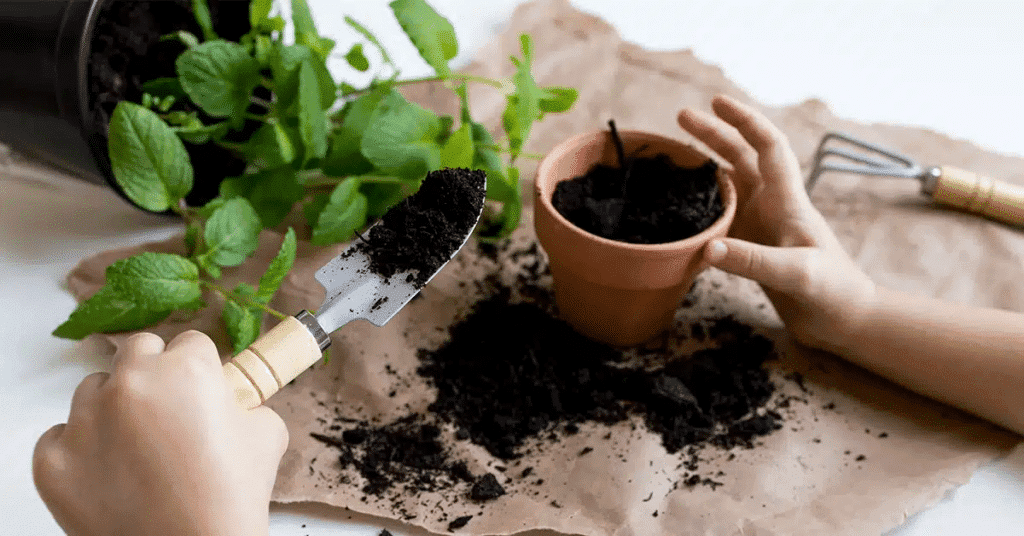
Small adjustments, big difference
You don’t have to think big straight away. What is necessary, however, is focus. Choose a limited number of crops that are reliable and grow well in our climate. Vegetables such as lettuce, courgette, beans or potatoes aren’t flukes: they often do well and effectively produce something. By limiting variety, you gain more control. You learn more quickly what works, and you avoid everything succeeding only half-way.
Structure instead of chance
A vegetable garden works better when you organise it consciously. That doesn’t have to be complex. A few clear beds or boxes, each with one type of crop, keep things manageable.
That way you know what’s where, when you planted something and what you can expect. That helps you to intervene in time and follow up better.
The importance of regularity
A vegetable garden doesn’t require hours of work per day, but it does require attention. Just checking, watering if necessary and tackling small problems in time make the difference.
Many failures don’t come from lack of knowledge, but from lack of follow-up. Those who check occasionally are often too late. By making it a short daily habit, everything remains manageable.
What will you do concretely this week?
Choose two to three crops that you genuinely want to grow. Make sure you know when and how to plant them, and actually do it. Provide a fixed location and make it easy for yourself to check daily. That doesn’t have to take long, as long as it happens consistently. If you already have something growing, this is the moment to expand it or organise it better.
What often goes wrong?
- Trying too much at once, so that nothing really succeeds.
- Irregular maintenance, causing plants to deteriorate.
- Unrealistic expectations, as if everything grows by itself.
By keeping it simple and working consistently, you avoid those pitfalls.
Finally
A vegetable garden doesn’t have to be large or perfect to be valuable. But it does have to be taken seriously enough to produce something.
Those who build this up step by step soon notice that it becomes more than an experiment. It becomes a habit, and ultimately a reliable source of food.