

Every day I see how the world is changing. Whether it concerns protection against burglary, natural disasters or cyber attacks: many people only realise how vulnerable they are when it’s already too late. A well-prepared strategy can limit damage and loss.
In this article I discuss various ways to protect yourself, your family and your property against diverse threats.
The foundation of a safe home
Safety starts at home. This is the place where you’ll spend most of your time if problems arise. That’s why it’s important to ensure that your home is a safe home.
1. Burglary prevention that works
A well-secured house is important against unwanted visitors.
- Reinforced doors and windows. Invest in good multi-point locks and laminated glass. A sturdy door also offers more protection.
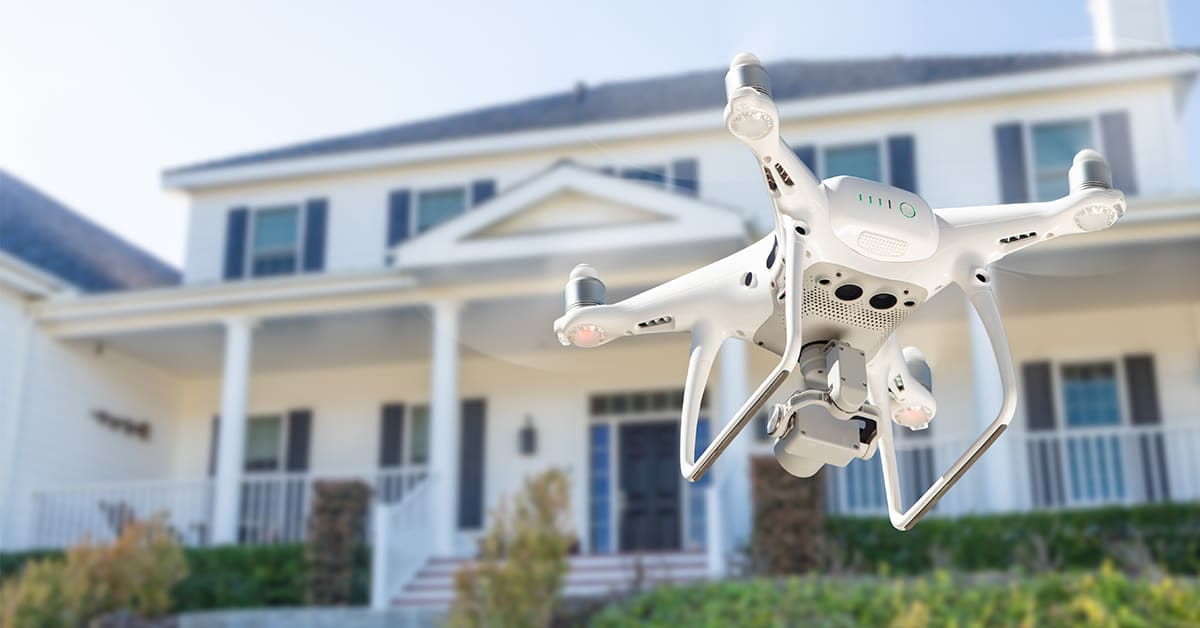
- Outdoor cameras and motion sensors. Modern security systems offer real-time monitoring and alert you to suspicious activities. Smart cameras with night vision and recording function can provide evidence. Moreover, simple camera systems are affordable for everyone today.
- Outdoor lighting with sensors. Helps to deter unwanted visitors. Avoid dark corners: good lighting with motion sensors acts as a deterrent for unwanted visitors.
- Security doors and alarm systems. From simple solutions to fully integrated systems installed by a security firm: choose what suits your situation and budget.
2. Fire safety
A fire can change your life in just a few minutes. Some simple precautionary measures can make your home fire-safe.
- Smoke detectors in the right places. In corridors, bedrooms and at risk areas such as the meter cupboard.
- Plan clear escape routes. I know in advance how I can quickly leave my house if my normal route is blocked. Practise this with your family, just like you had fire drills at school.
- Fire extinguishers within reach. Powder extinguishers can quickly bring a small fire under control. Place at least one per floor and know how to use them.
- Prevent overload. Check your electrical systems regularly and use electrical and heating appliances according to the instructions.
Preparation for natural disasters
Natural disasters can strike unexpectedly and cause major damage. Good preparation can help to minimise the impact of extreme weather conditions. By taking timely measures, you increase your chances of survival and prevent material damage.
1. Extreme weather conditions
- Floods. Provide sandbags and raise valuable possessions. Consider a waterproof storage box for important documents.
- Storms and hurricanes. Secure loose objects and prepare an emergency pack. Switch off the power if necessary to prevent damage from short circuits.
- Earthquakes. Secure furniture to walls and know the safe places in the house. Avoid using lifts and stay away from windows.

2. Emergency packs and supply management
- Water and food supply. At least three days of non-perishable food and drinking water. Choose foodstuffs with a long shelf life such as tinned food and dried pulses.
- First aid kit. Bandages, painkillers and disinfectants. Add a thermometer and plasters in different sizes.
- Power. Portable batteries and power banks for communication. A generator can be useful for longer power cuts.
- Transport. ensure that your car or other means of transport is in order and ready for evacuation.
Discover more:
- What if internet and traditional means of communication fail?
- Living without electricity: survival and self-sufficient living
- Food safety and long-term storage: an essential guide
Digital security and cybersecurity
In the digital age, online safety is just as important as physical safety. Cybercriminals use advanced techniques to steal personal data and hack systems. By taking the right measures, you protect yourself against digital threats.
1. Protection against cyber attacks
- Strong passwords and two-step verification. No, don’t use your own date of birth or place of residence as a password! Use complex and unique passwords for each account. Manage these securely with a password manager.
- Firewall and antivirus software. Ensure up-to-date protection against malware. Carry out regular system scans to detect suspicious activities.
- Recognise phishing and fraud. Be careful with suspicious emails and links. Always check the sender and don’t just click on unknown attachments!
2. Protection of personal data
- Use a VPN. This encrypts your internet connection and protects privacy. This is particularly useful when using public wifi networks.
- Limit the sharing of personal information. Prevent identity theft. Don’t share sensitive data on social media.
- Regular back-ups. Protect important files against loss or ransomware. Store copies on an external hard drive or in the cloud.
Personal safety and self-defence
Your personal safety largely depends on your awareness and preparation. By taking preventive measures and learning basic self-defence skills, you can protect yourself and others against unexpected threats.
1. Awareness and prevention
- Avoid risky areas. Be alert to suspicious situations. Don’t walk alone in deserted streets and stay in busy areas.
- Self-defence training. Basic skills can save lives in emergency situations. Learn how to defend yourself against an attack.
- Portable alarm systems. Handy devices such as personal alarms or GPS trackers increase safety. An alarm keyring can quickly alert bystanders.
2. Safety on public transport and on the street
- Stay in well-lit areas. Reduce the risk of mugging. Stand with your back against the wall at bus stops to maintain an overview.
- Keep valuable items out of sight. Minimise the chance of theft. Use a bum bag or a bag with hidden compartments.
- Trust your instinct. If something doesn’t feel right, act accordingly. Take an alternative route if necessary.
3. Combat and legal self-defence materials
- Avoid confrontations if possible. De-escalation is often the best defence. Stay calm and try to resolve conflicts verbally.
- Legal self-defence tools: In some countries, pepper spray, alarm keyrings and personal sirens are permitted. Always check local legislation.
- Basic fighting techniques: Learning how to defend yourself physically can be invaluable in dangerous situations. Training in Krav Maga, boxing or jiu-jitsu can be useful.
5. Community safety and cooperation
Safety is not just an individual responsibility. By working together with your neighbours and local authorities, you can create a safer environment. Community safety plays a crucial role in preventing crime and improving overall safety.
Building a local network
- Neighbourhood watch. Work together with neighbours to report suspicious activities. A neighbourhood watch group can help improve safety in the area.
- Share knowledge and resources. Collaborating in emergencies increases chances of survival. Share tools and emergency supplies with each other.
- Training and simulations. Practise emergency plans and stay prepared. Organise regular meetings to discuss safety procedures.
Emergency numbers and authorities
- Know the contact details of emergency services. Write these down and keep them in a central place in the house.
- Make a list of family and friends who can be reached in case of emergency. Ensure that everyone in the household knows this list.
- Stay informed via reliable news sources and emergency alerts. Install an emergency app on your phone for up-to-date warnings.
Conclusion
I don’t always walk around full of fear either, but by being a bit aware of your surroundings you can already do a lot. Whether it concerns physical, digital or community safety, a thoughtful approach makes the difference between vulnerability and resilience. By investing in prevention and cooperation you create a safer living environment for yourself and others.
Preparations begin with the realisation that we live in a changing world, in which unexpected situations can arise. There may seem to be no beginning to it, but this guide teaches you that it’s actually easier than you think.