
We cannot speak of a real ‘Hurricane Season’ here, but even here most thunderstorms occur during the summer months. Heavy showers are sometimes accompanied by hail, gusts of wind and lightning.
Recently there was a ‘supercell’ in Belgium. Last year the Dutch also experienced it. This is the weather phenomenon where clouds rotate at a certain altitude and thus create ‘rotating thunderstorms’, explains the Flemish weatherman. This can cause fallen trees and damaged electricity cables, or flooded streets.
The impact of storms
A storm should never be a reason to panic. However, there are a number of risks associated with stormy weather. Hail, heavy rain and wind gusts can uproot trees and blow roofs off buildings. And if you are in traffic during heavy rainfall, you sometimes cannot see a metre in front of you.
Preparing for stormy weather
Understanding storm alert systems
The official authorities in the Netherlands and Belgium use colour codes to indicate how severe the severe weather is expected to be.
- Want to stay informed? These emergency radios are ideal
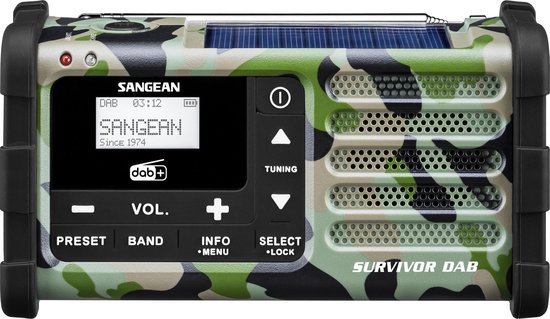
DAB+ en FM noodradio met zonnepaneel
Deze robuuste DAB+ en FM noodradio is een betrouwbare metgezel voor elke situatie. Voorzien van een dynamo en zonnepaneel, biedt hij altijd toegang tot informatie, zelfs in noodsituaties. Zijn unieke ontwerp maakt hem perfect voor avontuurlijke vakanties. Deze radio is een essentieel hulpmiddel voor iedereen die gerustgesteld wil zijn in onvoorspelbare omstandigheden, zodat je altijd voorbereid bent op wat komen gaat.
The Dutch KNMI explains what the different colour codes mean:
- Groen: Geen waarschuwingen
- “The expected weather type does not give rise to the issuing of a warning.”
- Geel: Kans op gevaarlijk weer
- “These are weather situations that occur frequently in the Netherlands where it is advisable to pay attention, especially if you are travelling. Code yellow can be issued 48 hours before the weather phenomenon occurs.”
- Oranje: Grote kans op gevaarlijk weer
- “There is a high risk of dangerous weather with a major impact with possible damage, injury or considerable disruption. This may be localised. Code orange can be issued 24 hours in advance.”
- Rood: weeralarm
- “This is a weather alarm where extreme weather has a major impact on society. The weather situation can cause so much damage, injury and disruption that it can be socially disruptive. This can be very localised. Code red is issued at the earliest 24 hours before the weather phenomenon occurs. Code red can also be issued if there is a small chance of an extreme weather situation, but the safety risks are high.”
The Belgian KMI explains the weather codes as follows:
- Groen: geen bijzonderheden
- “The expected weather type does not give rise to the issuing of a warning.”
- Geel: wees waakzaam
- “Code yellow can be issued a maximum of 48 hours before (and sometimes shorter, depending on the uncertainty) the weather phenomenon occurs.”
- Oranje: wees voorbereid en volg raadgevingen op
- “Code orange can be issued a maximum of 24 hours in advance (and sometimes shorter, depending on the uncertainty).”
- Rood: onderneem actie en volg raadgevingen strikt op
- “Code red is issued at the earliest 12 hours in advance (and sometimes shorter, depending on the uncertainty).”
Making your home storm-resistant
A house that is well maintained is better able to withstand stormy weather. Bear in mind that weak spots in your roof or loose guttering can quickly fail in high winds.
As a storm approaches:
- Close windows and doors properly
- Store loose objects in the garden (garden furniture, trampolines, etc.)
- Check that roof tiles are secure
- Prune weak branches from trees around your house
Insurance
Damage to your home caused by a storm is usually covered by your home insurance, but always document all damage with photos before you clear up or repair. Sometimes insurers make difficulties about damage claims and you need proof.
What to do during a storm
Stay indoors
The safest – and most pleasant – thing is to stay indoors during a severe storm. In truly extreme weather, it is best to avoid spaces with many windows. Also stay away from trees that could fall.
Do you get injured for some reason? These life-saving first aid tips from the Red Cross can help if you or someone else is in distress.
What if you are outdoors?
It is better to stay indoors during stormy weather, but you may be caught out by sudden severe weather during a walk or camping trip in the forest. If you find yourself in the forest and a storm breaks out, there are a number of basic rules:
- Stay away from trees: during a severe storm, falling trees and breaking branches pose the greatest danger
- Zoek een stevige schuilplaats
- If you cannot find that, then look for a sheltered spot in densely vegetated, young forest with smaller trees.
- Leave behind metal objects such as walking sticks or selfie sticks that can act as lightning conductors
- Stay away from isolated trees, open areas, mountain tops and bodies of water
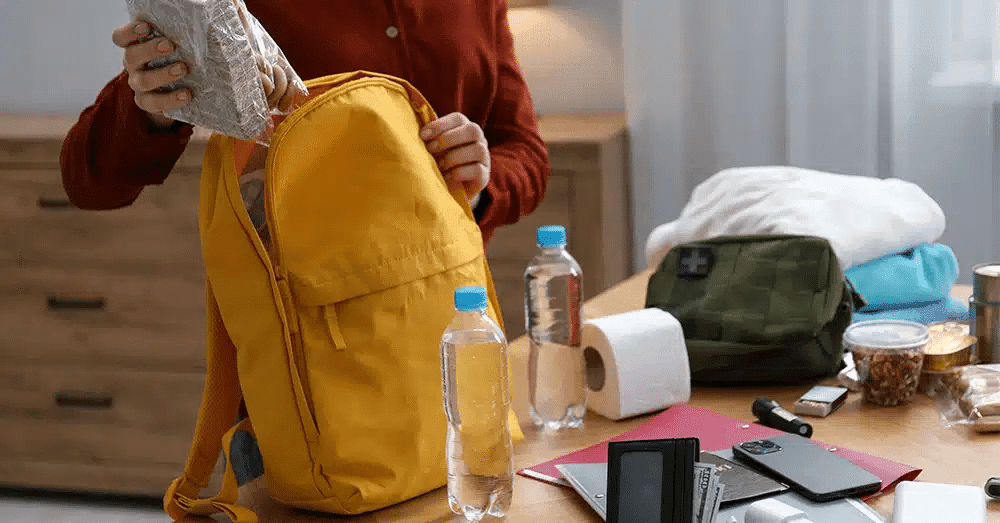
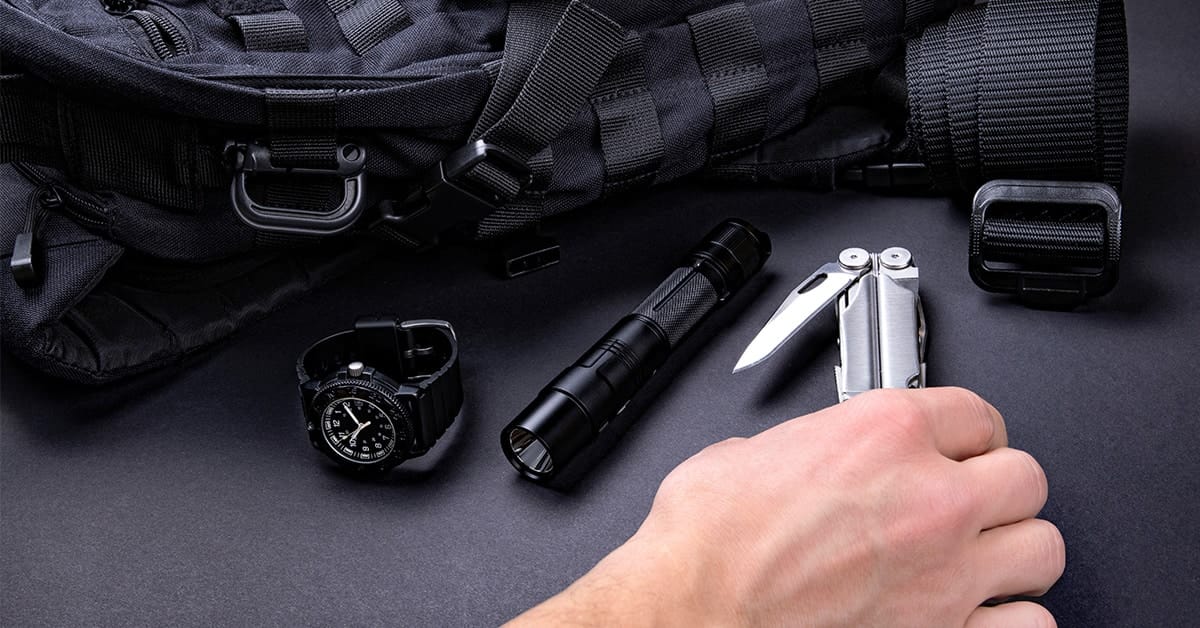
For people who regularly go into the forest, it is essential to have an emergency kit with them. This contains at least a fully waterproof rain jacket and trousers, an emergency blanket (preferably several, in case you have company), an emergency whistle to alert rescuers, a power bank for your phone and a small first aid kit. A compact compass and a physical map of the area can also be of vital importance if you lose your way.
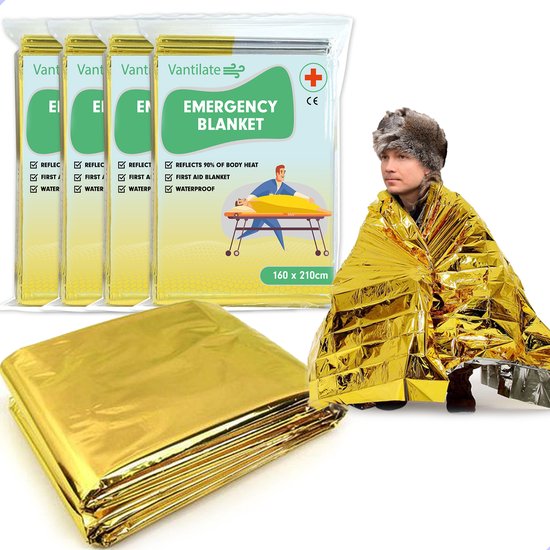
Set van 4 isolerende nooddekens
Deze set van 4 isolerende nooddekens biedt een praktische oplossing voor onverwachte situaties. Lichtgewicht en waterbestendig, ze bieden uitstekende isolatie tegen kou en bescherming tegen neerslag en hitte. Met een afmeting van 160 x 210 cm zijn ze veelzijdig en ideaal voor bijvoorbeeld kamperen of noodsituaties. Deze dekens zijn een slimme keuze voor wie zich wil wapenen tegen de onvoorspelbaarheid van het leven, zodat je altijd voorbereid bent op wat komen gaat.
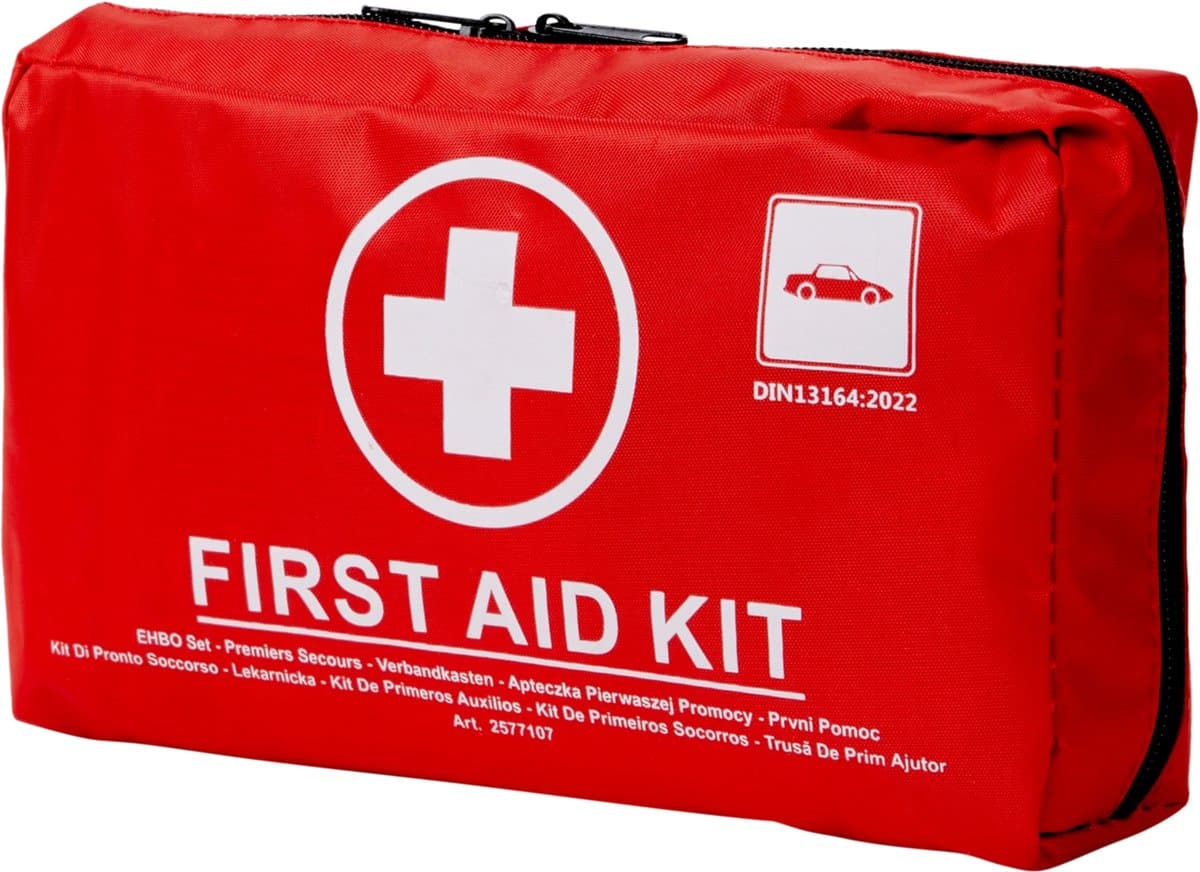
EHBO-kit 41-delig voor onderweg
Compacte EHBO-set met pleisters, verband en basismaterialen voor eerste hulp onderweg.
Driving in stormy weather
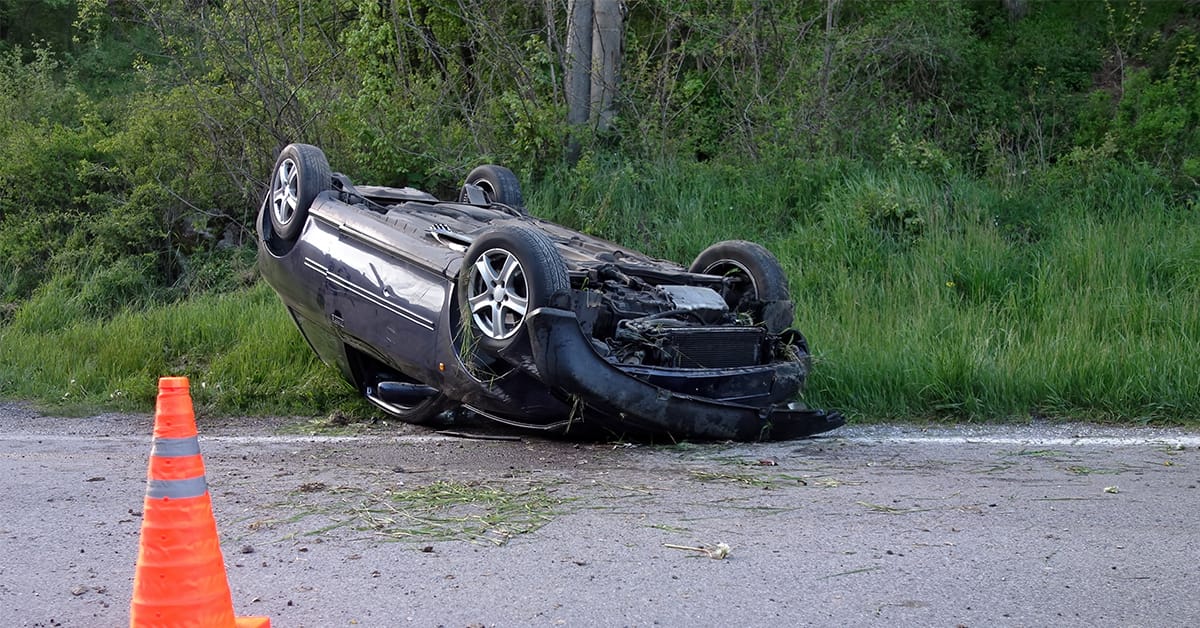
The road can become dangerous during a thunderstorm. Many people underestimate the impact of aquaplaning, hail and sudden gusts of wind. If possible, postpone your journey until the worst of the storm has passed, if only to avoid having to drive amongst all those panicky motorists.
In heavy hail, stop in a safe place, preferably under a bridge or in a car park. Avoid trees, as branches can break off.
After the storm
Assessing and documenting damage
When the storm has subsided, you should start repair work if necessary. It is also important to document the damage properly: not only for insurance claims, but also to set priorities.
- Leg een waterdicht zeil over je beschadigd dak om te voorkomen dat er nog meer regenwater in het huis loopt
- Secure the tarpaulin with strong ropes or tensioning straps
- Use clamps or brackets to temporarily secure loose guttering
- Als je kelder is ondergelopen, moet je die snel weer droogmaken: anders krijg je schimmel!
- Use a submersible pump, wet and dry vacuum cleaners or a bucket and mop to remove the worst of the water
- Be careful with electricity and water! Electrical appliances in flooded areas can be life-threatening. So switch off the power first before stepping into the water.
Once you have completed the immediate repairs, it is wise to inspect the entire house after a severe storm.
- Check for cracks in the walls
- Check whether your windows and doors still close properly
- Bring in professional help for matters you know less about
- Check whether the large trees around your house are still firmly in the ground: a tree weakened by a storm can still fall over in the next gust of wind.
Use the rain to your advantage
If your summer barbecue is ruined, a heavy downpour is annoying. But with the right equipment, you can use the rain to your advantage. With a good rainwater collection system via your guttering and a large storage system, you can store hundreds of litres of water. You can easily use this later in the garden, for washing your car or for flushing your toilet.
- Those who want to go a step further can even make drinking water from it in these six ways
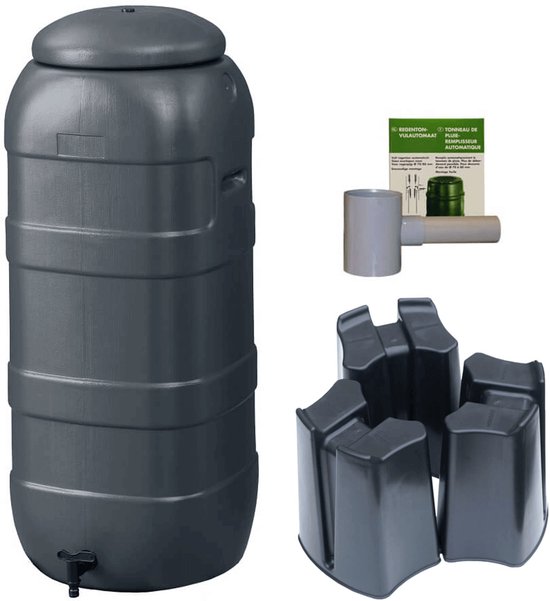
Regenton met voet en vulautomaat
De Rainsaver regenton set van 100 liter is een praktische en stevige oplossing voor elke tuin of balkon. Gemaakt van UV-bestendig kunststof, inclusief deksel en kraantje, biedt deze vierkante regenton een handige optie om water efficiënt op te vangen. Met de bijgeleverde voet en vulautomaat bent u volledig uitgerust. Dit product is ideaal voor wie voorbereid wil zijn op onvoorziene omstandigheden, zodat u altijd kunt beschikken over een bron van regenwater.