
Facing reality
We are living in extraordinary times. The world is changing faster than ever and uncertainties are piling up. Whether it concerns climate change, geopolitical tensions, pandemics or economic instability: the impact of these changes is felt everywhere. By facing this reality and taking proactive action, we can better prepare for future challenges and increase our adaptability.
In this article, we explore why being prepared is not an exaggerated response to doomsday scenarios, but a logical and sensible attitude to life in an uncertain world.
Why preparing is essential
In a world where unexpected events are occurring more and more frequently, it is crucial that individuals and families in Belgium, the Netherlands and the rest of Europe prepare for emergencies. From natural disasters and pandemics to power cuts and geopolitical tensions: the question is not if, but when we will be confronted with a crisis. By taking proactive measures, we can minimise the impact of such situations and safeguard our safety.
1. You cannot always rely on others
When a crisis strikes, emergency services are often overburdened. The government does what it can, but has limited resources and must set priorities. The harsh truth is that in large-scale emergencies, help may not be immediately available to everyone.
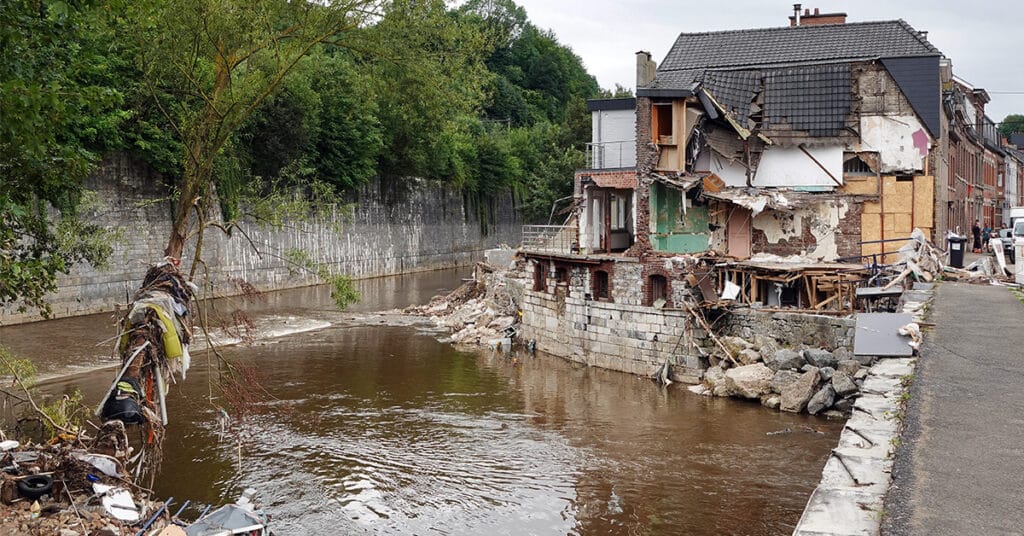
Consider the flooding in the Dutch province of Limburg and in the Belgian Vesdre Valley in 2021. Emergency services were overwhelmed, and many people had to fend for themselves for days. Those who had taken precautionary measures – with emergency kits, food, drinking water and means of communication – were considerably better off than those who were completely dependent on outside help.
2. Stability is not a given
We have become accustomed to a society that ‘just works’. We expect that supermarkets are always stocked, that there is always electricity, that water comes out of the tap, and that our payment cards always work.
But these systems are more complex and fragile than we realise, and we must prepare for this. A few examples:
- Food supply: Modern supermarkets operate with ‘just-in-time’ delivery. If the supply chain is interrupted (for example, due to transport problems, fuel shortages, strikes or logistical challenges), shop shelves can be largely empty within 48-72 hours.
- Utilities: Our electricity grid is under increasing pressure. Power cuts due to extreme weather conditions, overloading or cyberattacks are a real risk.
- Financial systems: The payment infrastructure depends on networks that are vulnerable to failures and attacks.
The world is changing
1. Increase in natural disasters
In recent years, Europe and the Benelux have increasingly been affected by natural disasters such as flooding, heatwaves and storms. The floods in Belgium and the Netherlands in 2021 have shown how quickly a crisis can strike and how drastic the consequences can be. According to the European Environment Agency (EEA), extreme weather conditions due to climate change will only increase. This emphasises the need to be prepared, not only by drawing up emergency plans, but also by investing in climate-resilient infrastructure and awareness.
2. Vulnerability of infrastructure
Our society is heavily dependent on infrastructure such as electricity networks, internet and water pipes. Failures in this critical infrastructure can have serious consequences for public health and the economy. The European Centre for Disease Prevention and Control (ECDC) warns that prolonged power cuts or cyberattacks could paralyse entire regions. By having emergency provisions such as generators, water filters and alternative means of communication at home, we can better deal with such situations.
3. Geopolitical uncertainty and security risks
The geopolitical situation in the world is more unstable than ever. Conflicts such as the war in Ukraine, trade conflicts and international tensions can lead to disruptions in energy supply, rising prices and shortages of essential goods. The European Commission warns that citizens must prepare for possible crises, such as cyberattacks and economic instability. By being prepared with an emergency supply and basic knowledge of crisis management, we can better absorb the shocks of geopolitical unrest.
4. Pandemics and public health
The COVID-19 pandemic has demonstrated how quickly a health crisis can disrupt public life. The World Health Organisation (WHO) and the ECDC emphasise the importance of preventive measures such as hygiene, quarantine protocols and medical emergency supplies. By having a stock of medicines, protective equipment and food at home, families can better protect themselves against future pandemics and other public health crises.
5. Social and economic resilience
A well-prepared society is not only better able to withstand crises, but also to recover from them more quickly. The International Monetary Fund (IMF) and the European Central Bank (ECB) emphasise that financial stability is essential for economic resilience. By building up savings, creating alternative sources of income and stocking basic necessities, households can better absorb economic fluctuations and reduce financial stress.
6. Changing society and new risks
Western Europe is in a period of rapid social change. Digitalisation, migration flows and demographic shifts are affecting the stability and cohesion of our society. The European Council on Foreign Relations (ECFR) warns of new vulnerabilities such as cyber threats, digital disinformation and social unrest. By creating awareness about these risks and taking action, we can better arm ourselves against unforeseen challenges.
How you can prepare yourself
In addition to awareness, it is important to take practical steps to protect yourself and your family against emergencies. Here are some essential measures:
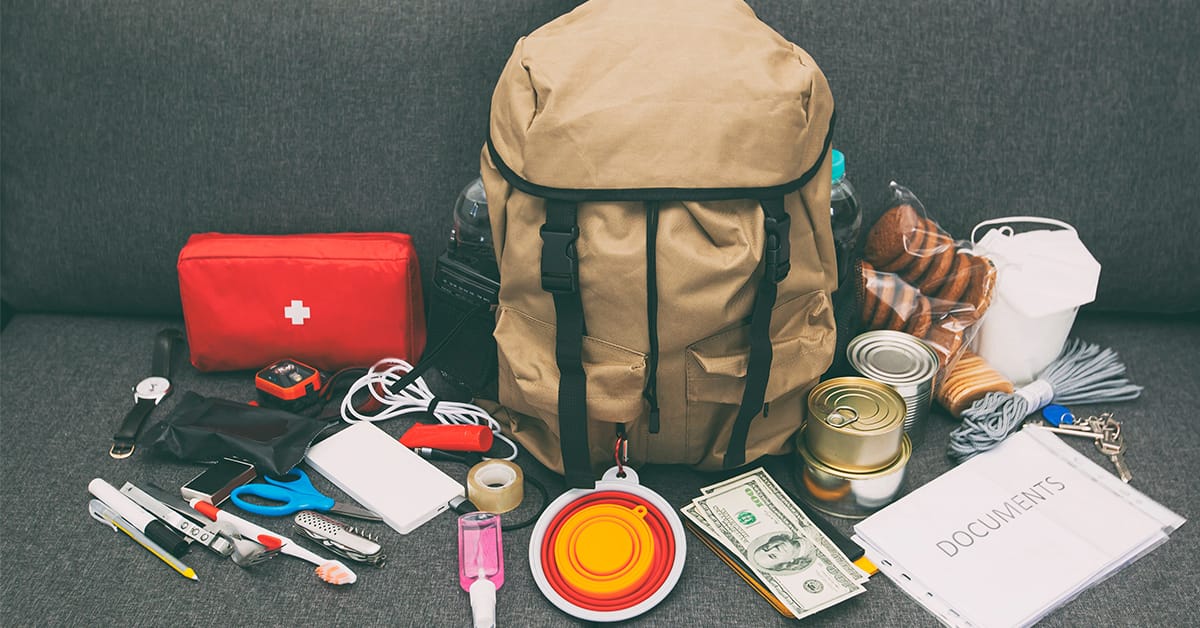
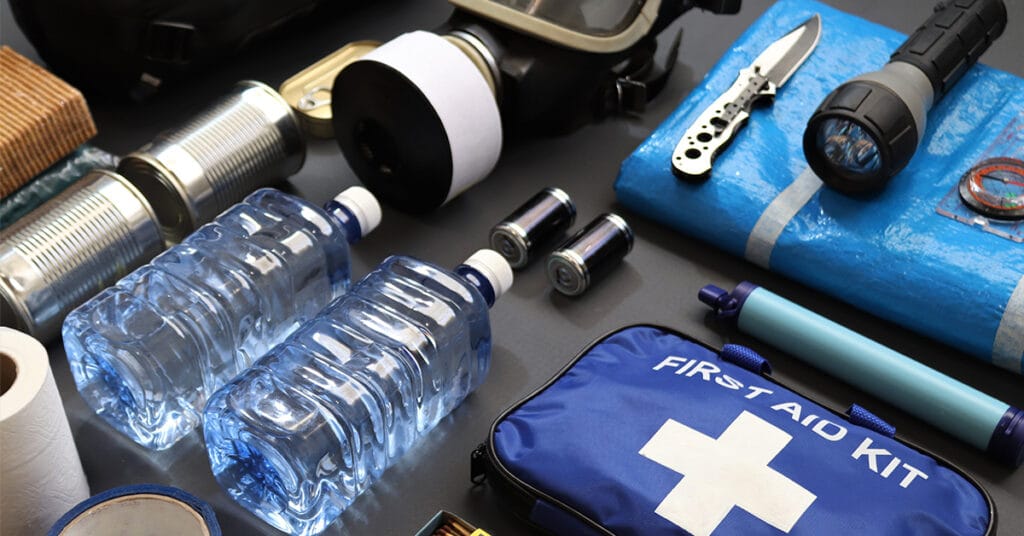
- Assemble an emergency kit with water, food, medicines, batteries and means of communication.
- Create an evacuation plan and ensure that all family members know what to do in case of emergency.
- Learn basic skills such as first aid, fire safety and crisis management.
- Stay informed by following reliable news sources and government advice.
- Invest in self-sufficiency, such as solar panels, water filters and alternative energy sources.
Conclusion: being prepared is a life insurance
Preparation for emergencies is not a sign of panic, but of responsibility and common sense. From natural disasters and power cuts to pandemics and geopolitical uncertainties: a well-prepared citizen is less vulnerable and better able to protect themselves and their family. By taking proactive steps and having an emergency plan, we can together build a resilient and stable society that is better prepared for the challenges of the future.
Discover more:
Would you like to know more about how you can prepare yourself and your family? View our comprehensive guides on emergency kits, survival strategies and crisis management.